¡Nuestra nueva clínica en Peachtree Corners ya está abierta! Atendiendo a familias en Norcross, Dunwoody, Sandy Springs, Duluth, Johns Creek, Alpharetta, Roswell, Suwanee, Brookhaven y áreas cercanas.

Strategies for Helping a Child with Autism Navigate a Birthday Party

5 mar 2026

Strategies for Helping a Child with Autism Navigate a Birthday Party

5 mar 2026

Make birthdays fun, not stressful. Learn to manage sensory triggers and social cues so your child with autism can enjoy every celebration.

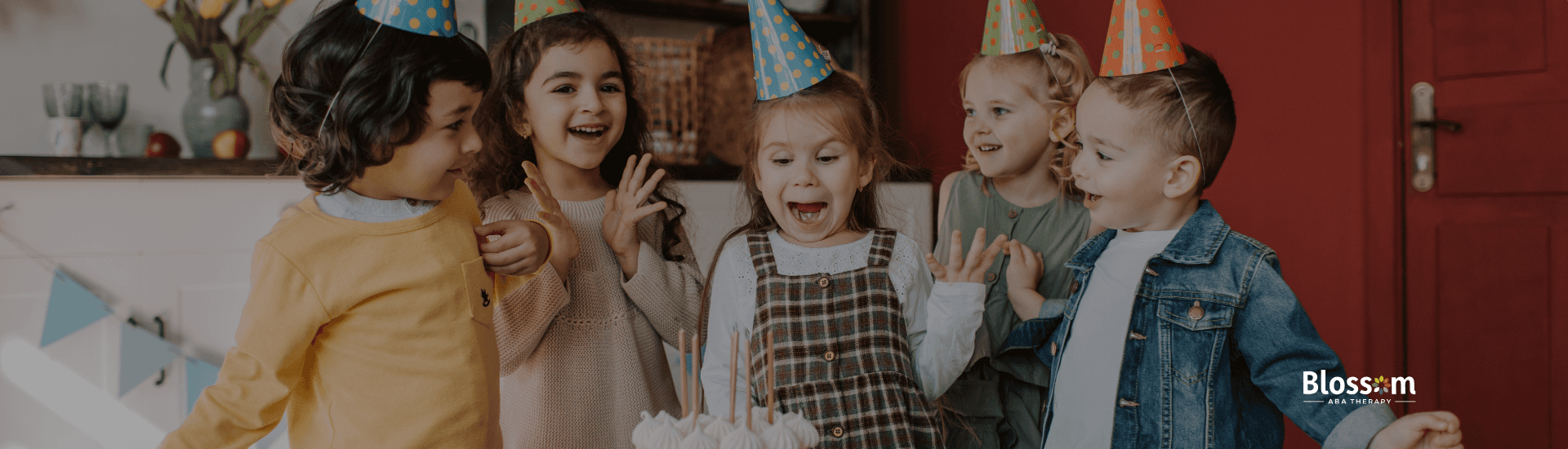
Birthday parties can be exciting—but also overwhelming—for children with autism. The combination of noise, crowds, bright decorations, and unpredictable activities can quickly lead to stress. With thoughtful planning, however, parties can become positive social learning experiences.

Preparation is key. Before the event, talk through what will happen step by step. Use simple language or a visual schedule to outline activities such as greeting the host, playing games, singing, and eating cake. If possible, arrive early to allow your child to adjust before the space becomes crowded.

Bring sensory supports if needed. Noise-canceling headphones, a favorite fidget, or a comfort item can help regulate emotions. Identify a quiet space where your child can take short breaks if things become overwhelming.

Set realistic expectations. Your child may not participate in every activity—and that’s okay. Even staying for 30–45 minutes and practicing one social interaction can be meaningful progress.

After the party, praise specific successes, such as saying hello or trying a game. Positive reinforcement builds confidence for future events.

At Blossom ABA Therapy, we teach practical social and coping strategies that help children navigate real-world experiences—empowering families to approach celebrations with greater confidence and less stress.

Frequently Asked Questions

1. Why can birthday parties be overwhelming for children with autism?
Birthday parties often include loud music, bright decorations, unfamiliar people, and unstructured activities, which can trigger sensory overload.

2. Should I avoid taking my child to parties?
Not necessarily. With preparation and support, many children can successfully attend and enjoy social events.

3. How can I prepare my child before the party?
Use social stories, review the schedule, discuss expectations, and preview the location if possible.

4. What should I bring to the party?
Consider bringing calming tools like headphones, a favorite toy, snacks, or a comfort item.

5. What if my child needs to leave early?
That’s okay. Short, positive experiences are more beneficial than forcing a full stay.

Birthday parties can be exciting—but also overwhelming—for children with autism. The combination of noise, crowds, bright decorations, and unpredictable activities can quickly lead to stress. With thoughtful planning, however, parties can become positive social learning experiences.

Preparation is key. Before the event, talk through what will happen step by step. Use simple language or a visual schedule to outline activities such as greeting the host, playing games, singing, and eating cake. If possible, arrive early to allow your child to adjust before the space becomes crowded.

Bring sensory supports if needed. Noise-canceling headphones, a favorite fidget, or a comfort item can help regulate emotions. Identify a quiet space where your child can take short breaks if things become overwhelming.

Set realistic expectations. Your child may not participate in every activity—and that’s okay. Even staying for 30–45 minutes and practicing one social interaction can be meaningful progress.

After the party, praise specific successes, such as saying hello or trying a game. Positive reinforcement builds confidence for future events.

At Blossom ABA Therapy, we teach practical social and coping strategies that help children navigate real-world experiences—empowering families to approach celebrations with greater confidence and less stress.

Frequently Asked Questions

1. Why can birthday parties be overwhelming for children with autism?
Birthday parties often include loud music, bright decorations, unfamiliar people, and unstructured activities, which can trigger sensory overload.

2. Should I avoid taking my child to parties?
Not necessarily. With preparation and support, many children can successfully attend and enjoy social events.

3. How can I prepare my child before the party?
Use social stories, review the schedule, discuss expectations, and preview the location if possible.

4. What should I bring to the party?
Consider bringing calming tools like headphones, a favorite toy, snacks, or a comfort item.

5. What if my child needs to leave early?
That’s okay. Short, positive experiences are more beneficial than forcing a full stay.

Strategies for Helping a Child with Autism Navigate a Birthday Party

Strategies for Helping a Child with Autism Navigate a Birthday Party

¿Buscas apoyo?
¡Estamos aquí para ayudar!

Nuestros profesionales dedicados se especializan en terapia ABA para fomentar el crecimiento y la felicidad de su hijo. Estamos aquí para proporcionar la atención y el cuidado personalizado que su hijo merece. Póngase en contacto para conocer cómo podemos apoyar el viaje de su familia.

Conéctate con nuestros expertos en ABA hoy.

¿TE APASIONA AYUDAR A LOS NIÑOS?

¿TE APASIONA AYUDAR A LOS NIÑOS?

Únete a nuestro equipo

Únete a nuestro equipo

Únete a nuestro equipo

Blossom Therapy busca constantemente BCBAs y RBTs calificados para ocupar puestos a tiempo completo y parcial.

Blossom Therapy busca constantemente BCBAs y RBTs calificados para ocupar puestos a tiempo completo y parcial.

TERAPIA ABA

TERAPIA ABA

TERAPIA ABA

Obtén terapia ABA para tu hijo

Obtén terapia ABA para tu hijo

Obtén terapia ABA para tu hijo

Empoderando el Progreso: Navegando la Terapia ABA para el Desarrollo de Su Hijo