¡Nuestra nueva clínica en Peachtree Corners ya está abierta! Atendiendo a familias en Norcross, Dunwoody, Sandy Springs, Duluth, Johns Creek, Alpharetta, Roswell, Suwanee, Brookhaven y áreas cercanas.

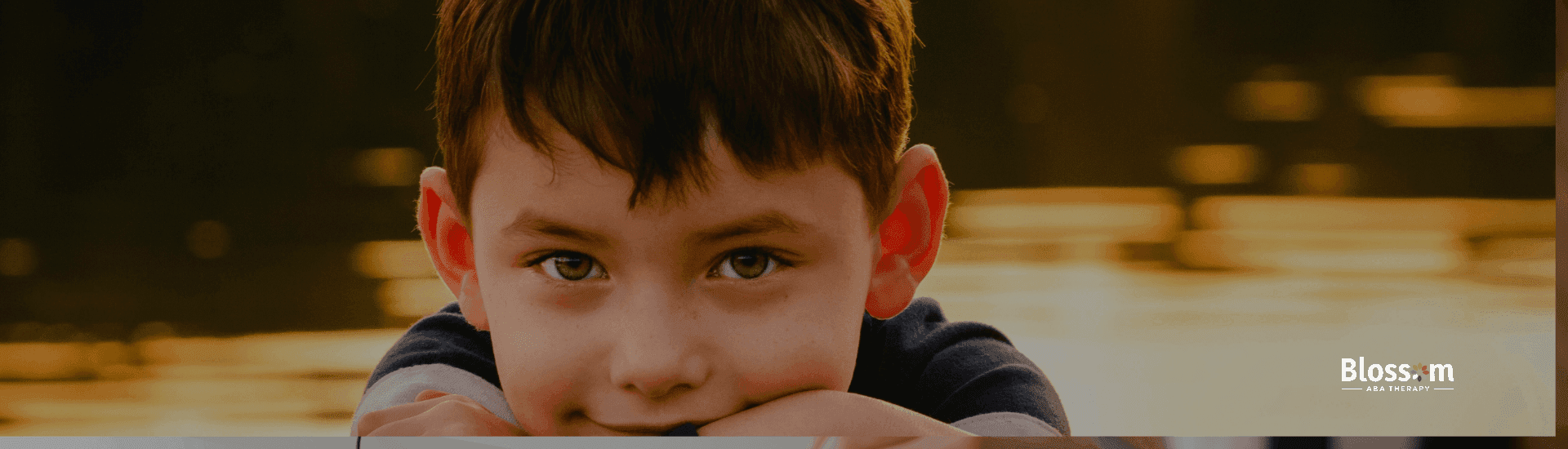
Smiling young boy resting his arms on a railing by a lake at sunset, warm golden light reflecting off the water behind him.

What Are Common Behaviors of Autism?

25 nov 2025

Smiling young boy resting his arms on a railing by a lake at sunset, warm golden light reflecting off the water behind him.

What Are Common Behaviors of Autism?

25 nov 2025

Smiling young boy resting his arms on a railing by a lake at sunset, warm golden light reflecting off the water behind him.

What Are Common Behaviors of Autism?

25 nov 2025

Smiling young boy resting his arms on a railing by a lake at sunset, warm golden light reflecting off the water behind him.

What Are Common Behaviors of Autism?

25 nov 2025

Learn the most common behaviors of autism, including social, communication, & sensory patterns. Get clear guidance to better understand and support your child.

Understanding autism starts with recognizing the patterns many children share, while still remembering every child is unique. Common behaviors often include differences in communication, social interaction, and daily routines. You might notice limited eye contact, delayed speech, or challenges expressing needs. Some children prefer playing alone, have difficulty understanding social cues, or find group settings overwhelming.

Repetitive behaviors are also common. These can look like hand-flapping, rocking, repeating words (echolalia), or intense focus on specific interests. Many children with autism thrive on routine, so unexpected changes in schedule or environment may lead to distress. Sensory sensitivities, such as being overwhelmed by loud noises, bright lights, or certain textures—are also frequent and can impact how a child responds throughout the day.

These behaviors aren’t “problems”, they’re signals. When understood and supported through evidence-based strategies like Applied Behavior Analysis (ABA), children can gain confidence, communication skills, and independence.

Blossom ABA provides warm, individualized in-home ABA therapy in Georgia, Tennessee, Virginia, North Carolina, and Maryland

Ready to support your child’s growth? Contact us today!

SOURCE:

https://pmc.ncbi.nlm.nih.gov/articles/PMC8280472/

https://www.psychiatry.org/news-room/apa-blogs/understand-stimming-repetitive-behaviors-purpose

https://my.clevelandclinic.org/health/articles/autism

https://www.cdc.gov/autism/signs-symptoms/index.html

https://www.hhs.texas.gov/services/disability/autism/autism-training-opportunities/autism-spectrum-disorders-training-program-first-responders/module-4-common-behavior-characteristics-individuals-autism-spectrum-disorder-asd

Understanding autism starts with recognizing the patterns many children share, while still remembering every child is unique. Common behaviors often include differences in communication, social interaction, and daily routines. You might notice limited eye contact, delayed speech, or challenges expressing needs. Some children prefer playing alone, have difficulty understanding social cues, or find group settings overwhelming.

Repetitive behaviors are also common. These can look like hand-flapping, rocking, repeating words (echolalia), or intense focus on specific interests. Many children with autism thrive on routine, so unexpected changes in schedule or environment may lead to distress. Sensory sensitivities, such as being overwhelmed by loud noises, bright lights, or certain textures—are also frequent and can impact how a child responds throughout the day.

These behaviors aren’t “problems”, they’re signals. When understood and supported through evidence-based strategies like Applied Behavior Analysis (ABA), children can gain confidence, communication skills, and independence.

Blossom ABA provides warm, individualized in-home ABA therapy in Georgia, Tennessee, Virginia, North Carolina, and Maryland

Ready to support your child’s growth? Contact us today!

SOURCE:

https://pmc.ncbi.nlm.nih.gov/articles/PMC8280472/

https://www.psychiatry.org/news-room/apa-blogs/understand-stimming-repetitive-behaviors-purpose

https://my.clevelandclinic.org/health/articles/autism

https://www.cdc.gov/autism/signs-symptoms/index.html

https://www.hhs.texas.gov/services/disability/autism/autism-training-opportunities/autism-spectrum-disorders-training-program-first-responders/module-4-common-behavior-characteristics-individuals-autism-spectrum-disorder-asd

Understanding autism starts with recognizing the patterns many children share, while still remembering every child is unique. Common behaviors often include differences in communication, social interaction, and daily routines. You might notice limited eye contact, delayed speech, or challenges expressing needs. Some children prefer playing alone, have difficulty understanding social cues, or find group settings overwhelming.

Repetitive behaviors are also common. These can look like hand-flapping, rocking, repeating words (echolalia), or intense focus on specific interests. Many children with autism thrive on routine, so unexpected changes in schedule or environment may lead to distress. Sensory sensitivities, such as being overwhelmed by loud noises, bright lights, or certain textures—are also frequent and can impact how a child responds throughout the day.

These behaviors aren’t “problems”, they’re signals. When understood and supported through evidence-based strategies like Applied Behavior Analysis (ABA), children can gain confidence, communication skills, and independence.

Blossom ABA provides warm, individualized in-home ABA therapy in Georgia, Tennessee, Virginia, North Carolina, and Maryland

Ready to support your child’s growth? Contact us today!

SOURCE:

https://pmc.ncbi.nlm.nih.gov/articles/PMC8280472/

https://www.psychiatry.org/news-room/apa-blogs/understand-stimming-repetitive-behaviors-purpose

https://my.clevelandclinic.org/health/articles/autism

https://www.cdc.gov/autism/signs-symptoms/index.html

https://www.hhs.texas.gov/services/disability/autism/autism-training-opportunities/autism-spectrum-disorders-training-program-first-responders/module-4-common-behavior-characteristics-individuals-autism-spectrum-disorder-asd

Understanding autism starts with recognizing the patterns many children share, while still remembering every child is unique. Common behaviors often include differences in communication, social interaction, and daily routines. You might notice limited eye contact, delayed speech, or challenges expressing needs. Some children prefer playing alone, have difficulty understanding social cues, or find group settings overwhelming.

Repetitive behaviors are also common. These can look like hand-flapping, rocking, repeating words (echolalia), or intense focus on specific interests. Many children with autism thrive on routine, so unexpected changes in schedule or environment may lead to distress. Sensory sensitivities, such as being overwhelmed by loud noises, bright lights, or certain textures—are also frequent and can impact how a child responds throughout the day.

These behaviors aren’t “problems”, they’re signals. When understood and supported through evidence-based strategies like Applied Behavior Analysis (ABA), children can gain confidence, communication skills, and independence.

Blossom ABA provides warm, individualized in-home ABA therapy in Georgia, Tennessee, Virginia, North Carolina, and Maryland

Ready to support your child’s growth? Contact us today!

SOURCE:

https://pmc.ncbi.nlm.nih.gov/articles/PMC8280472/

https://www.psychiatry.org/news-room/apa-blogs/understand-stimming-repetitive-behaviors-purpose

https://my.clevelandclinic.org/health/articles/autism

https://www.cdc.gov/autism/signs-symptoms/index.html

https://www.hhs.texas.gov/services/disability/autism/autism-training-opportunities/autism-spectrum-disorders-training-program-first-responders/module-4-common-behavior-characteristics-individuals-autism-spectrum-disorder-asd

Common Behaviors of Autism Explained Clearly | Blossom ABA

Common Behaviors of Autism Explained Clearly | Blossom ABA

¿Buscas apoyo?
¡Estamos aquí para ayudar!

Nuestros profesionales dedicados se especializan en terapia ABA para fomentar el crecimiento y la felicidad de su hijo. Estamos aquí para proporcionar la atención y el cuidado personalizado que su hijo merece. Póngase en contacto para conocer cómo podemos apoyar el viaje de su familia.

Conéctate con nuestros expertos en ABA hoy.

¿TE APASIONA AYUDAR A LOS NIÑOS?

¿TE APASIONA AYUDAR A LOS NIÑOS?

Únete a nuestro equipo

Únete a nuestro equipo

Únete a nuestro equipo

Únete a nuestro equipo

Blossom Therapy busca constantemente BCBAs y RBTs calificados para ocupar puestos a tiempo completo y parcial.

Blossom Therapy busca constantemente BCBAs y RBTs calificados para ocupar puestos a tiempo completo y parcial.

Blossom Therapy busca constantemente BCBAs y RBTs calificados para ocupar puestos a tiempo completo y parcial.

Blossom Therapy busca constantemente BCBAs y RBTs calificados para ocupar puestos a tiempo completo y parcial.

TERAPIA ABA

TERAPIA ABA

TERAPIA ABA

TERAPIA ABA

Obtén terapia ABA para tu hijo

Obtén terapia ABA para tu hijo

Obtén terapia ABA para tu hijo

Obtén terapia ABA para tu hijo

Empoderando el Progreso: Navegando la Terapia ABA para el Desarrollo de Su Hijo