¡Nuestra nueva clínica en Peachtree Corners ya está abierta! Atendiendo a familias en Norcross, Dunwoody, Sandy Springs, Duluth, Johns Creek, Alpharetta, Roswell, Suwanee, Brookhaven y áreas cercanas.

Puberty with Autism in Teens: Emotional, Physical, and Social Changes

24 feb 2026

Puberty with Autism in Teens: Emotional, Physical, and Social Changes

24 feb 2026

Puberty with Autism explained. Learn physical, emotional, and social changes and how structured support helps teens thrive.

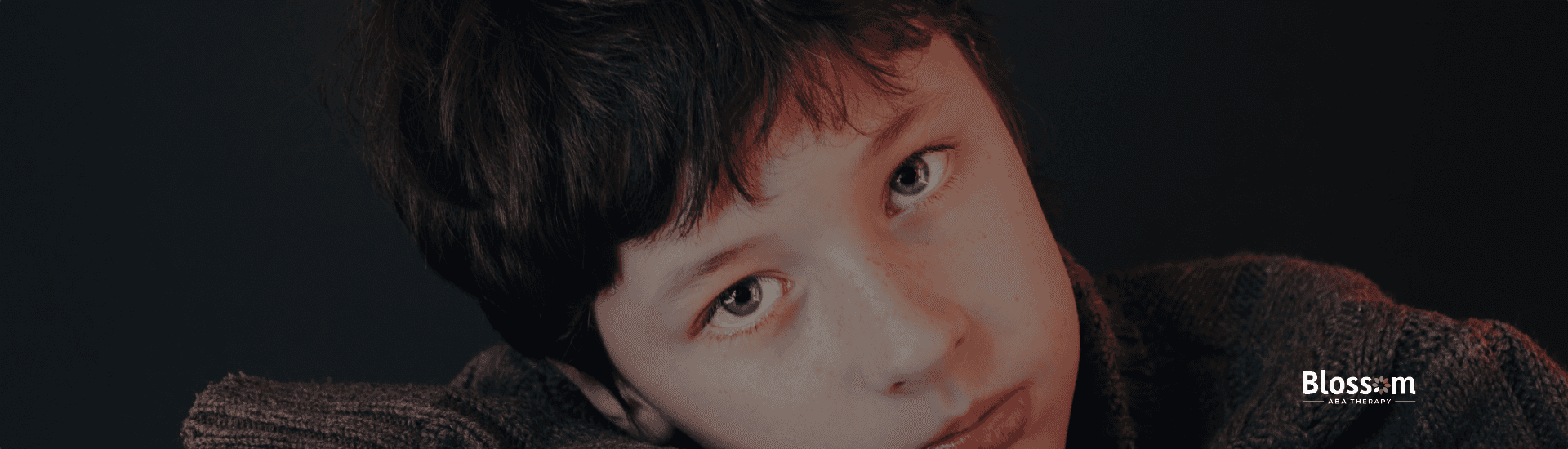
Puberty brings physical growth, emotional shifts, and social complexity. For autistic adolescents, these changes can feel more intense or harder to interpret.

Puberty with autism refers to the developmental transition through adolescence in individuals on the autism spectrum. Research shows that autistic teens experience the same biological changes as their peers, but may face added challenges related to communication, sensory sensitivity, and emotional regulation.

This article explains what happens during puberty with autism, what research says, and how structured support can help families navigate this stage.

What Is Puberty with Autism?

Puberty is a biological process involving hormonal changes, physical maturation, and brain development.

In autism, these changes occur alongside:

  • Differences in social communication

  • Sensory sensitivities

  • Emotional regulation challenges

  • Executive functioning differences

A 2024 review in Frontiers in Psychiatry highlights that autistic adolescents may experience increased anxiety, mood changes, and social stress during puberty. Understanding puberty with autismmeans recognizing both typical development and autism-related needs.

Autism & Preparing for Puberty

Physical Changes During Puberty with Autism

Physical development during puberty with autism follows the same biological patterns as non-autistic peers.

Changes may include:

  • Growth spurts

  • Voice changes

  • Body hair development

  • Menstruation

  • Increased body odor

  • Sexual maturation

The Autism Society explains that autistic youth need direct, clear instruction about these changes, rather than assuming understanding. Clear education reduces confusion and anxiety.

Emotional Changes in Puberty with Autism

Hormonal shifts affect mood regulation in all teens. During puberty with autism, emotional changes may include:

  • Increased irritability

  • Heightened anxiety

  • Mood swings

  • Social withdrawal

  • Increased sensitivity

The Child Mind Institute notes that autistic teens may struggle more with peer comparison and social pressure during adolescence. Emotional regulation strategies become essential.

Social Challenges in Puberty with Autism

Adolescence increases social complexity.

Teens navigate:

  • Friendships

  • Romantic interest

  • Peer expectations

  • Social media influence

For teens experiencing puberty with autism, interpreting social cues and boundaries may be more challenging.

Direct teaching of:

  • Consent

  • Privacy

  • Personal boundaries

  • Appropriate behavior

is often necessary.

Sensory Differences in Puberty with Autism

Sensory sensitivities may intensify during adolescence.

Examples include:

  • Discomfort with new clothing textures

  • Increased awareness of body odor

  • Sensitivity during menstruation

  • Sensory discomfort during hygiene routines

Addressing sensory needs supports smoother adjustment during puberty with autism.

Case Example: Managing Emotional Regulation

Teen profile:

  • Age 13

  • Diagnosed with autism at age 5

  • Reports increased irritability

  • Difficulty explaining mood changes

Intervention plan:

  • Visual mood tracking

  • Scheduled check-ins

  • Coping strategy teaching

  • Parent education on puberty changes

Outcome:

  • Improved emotional awareness

  • Reduced behavioral escalation

This reflects structured support during puberty with autism.

Teaching Hygiene and Self-Care

Puberty requires new routines. Teens experiencing puberty with autism may need:

  • Step-by-step hygiene checklists

  • Visual schedules

  • Social stories about deodorant use

  • Direct instruction about menstrual care

Clear instruction reduces confusion.

Sexual Education in Puberty with Autism

Research emphasizes the importance of direct sexual education for autistic youth.

Topics may include:

  • Private vs public behavior

  • Online safety

  • Body autonomy

  • Consent

  • Safe relationships

Avoiding these discussions increases vulnerability. Structured education supports independence.

Mental Health During Puberty with Autism

Adolescence is associated with increased risk of:

Research indicates that autistic adolescents may experience higher rates of mental health challenges compared to peers. Early intervention and behavioral support can address emotional regulation and coping skills.

ABA Therapy and Puberty with Autism

ABA therapy can support adolescents during puberty with autism by focusing on:

  • Emotional regulation skills

  • Social boundary teaching

  • Hygiene routines

  • Executive functioning

  • Self-advocacy

Behavioral plans remain individualized and data-driven. Support evolves with developmental stage.

Parent Guidance During Puberty with Autism

Parents can support puberty with autism by:

  • Using clear language

  • Teaching explicitly

  • Preparing for physical changes in advance

  • Normalizing emotional fluctuations

  • Collaborating with therapists

Preparation reduces anxiety.

Conclusion

Puberty with autism includes the same biological changes seen in all teens, alongside unique communication, emotional, and sensory considerations. Research shows that proactive education, structured teaching, and consistent support improve outcomes during adolescence.

At Blossom ABA, we provide individualized therapy programs that evolve as children grow. If your teen is entering puberty and you need structured guidance, schedule a consultation with Blossom ABA today.

Our clinical team can design age-appropriate goals that promote independence, safety, and emotional growth.

FAQs About Puberty with Autism

Does puberty happen differently for autistic teens?

Biological changes are the same, but emotional and social adjustments may require more structured support.

Why can puberty feel harder for autistic teens?

Hormonal changes combined with communication and sensory differences may increase stress.

Should autistic teens receive sexual education?

Yes. Direct, clear instruction about consent, privacy, and boundaries is recommended.

Can ABA therapy help during puberty?

Yes. ABA can support emotional regulation, hygiene routines, and social understanding.

When should parents seek professional support?

If emotional or behavioral changes interfere with daily functioning, professional evaluation can help.

Sources

Puberty brings physical growth, emotional shifts, and social complexity. For autistic adolescents, these changes can feel more intense or harder to interpret.

Puberty with autism refers to the developmental transition through adolescence in individuals on the autism spectrum. Research shows that autistic teens experience the same biological changes as their peers, but may face added challenges related to communication, sensory sensitivity, and emotional regulation.

This article explains what happens during puberty with autism, what research says, and how structured support can help families navigate this stage.

What Is Puberty with Autism?

Puberty is a biological process involving hormonal changes, physical maturation, and brain development.

In autism, these changes occur alongside:

  • Differences in social communication

  • Sensory sensitivities

  • Emotional regulation challenges

  • Executive functioning differences

A 2024 review in Frontiers in Psychiatry highlights that autistic adolescents may experience increased anxiety, mood changes, and social stress during puberty. Understanding puberty with autismmeans recognizing both typical development and autism-related needs.

Autism & Preparing for Puberty

Physical Changes During Puberty with Autism

Physical development during puberty with autism follows the same biological patterns as non-autistic peers.

Changes may include:

  • Growth spurts

  • Voice changes

  • Body hair development

  • Menstruation

  • Increased body odor

  • Sexual maturation

The Autism Society explains that autistic youth need direct, clear instruction about these changes, rather than assuming understanding. Clear education reduces confusion and anxiety.

Emotional Changes in Puberty with Autism

Hormonal shifts affect mood regulation in all teens. During puberty with autism, emotional changes may include:

  • Increased irritability

  • Heightened anxiety

  • Mood swings

  • Social withdrawal

  • Increased sensitivity

The Child Mind Institute notes that autistic teens may struggle more with peer comparison and social pressure during adolescence. Emotional regulation strategies become essential.

Social Challenges in Puberty with Autism

Adolescence increases social complexity.

Teens navigate:

  • Friendships

  • Romantic interest

  • Peer expectations

  • Social media influence

For teens experiencing puberty with autism, interpreting social cues and boundaries may be more challenging.

Direct teaching of:

  • Consent

  • Privacy

  • Personal boundaries

  • Appropriate behavior

is often necessary.

Sensory Differences in Puberty with Autism

Sensory sensitivities may intensify during adolescence.

Examples include:

  • Discomfort with new clothing textures

  • Increased awareness of body odor

  • Sensitivity during menstruation

  • Sensory discomfort during hygiene routines

Addressing sensory needs supports smoother adjustment during puberty with autism.

Case Example: Managing Emotional Regulation

Teen profile:

  • Age 13

  • Diagnosed with autism at age 5

  • Reports increased irritability

  • Difficulty explaining mood changes

Intervention plan:

  • Visual mood tracking

  • Scheduled check-ins

  • Coping strategy teaching

  • Parent education on puberty changes

Outcome:

  • Improved emotional awareness

  • Reduced behavioral escalation

This reflects structured support during puberty with autism.

Teaching Hygiene and Self-Care

Puberty requires new routines. Teens experiencing puberty with autism may need:

  • Step-by-step hygiene checklists

  • Visual schedules

  • Social stories about deodorant use

  • Direct instruction about menstrual care

Clear instruction reduces confusion.

Sexual Education in Puberty with Autism

Research emphasizes the importance of direct sexual education for autistic youth.

Topics may include:

  • Private vs public behavior

  • Online safety

  • Body autonomy

  • Consent

  • Safe relationships

Avoiding these discussions increases vulnerability. Structured education supports independence.

Mental Health During Puberty with Autism

Adolescence is associated with increased risk of:

Research indicates that autistic adolescents may experience higher rates of mental health challenges compared to peers. Early intervention and behavioral support can address emotional regulation and coping skills.

ABA Therapy and Puberty with Autism

ABA therapy can support adolescents during puberty with autism by focusing on:

  • Emotional regulation skills

  • Social boundary teaching

  • Hygiene routines

  • Executive functioning

  • Self-advocacy

Behavioral plans remain individualized and data-driven. Support evolves with developmental stage.

Parent Guidance During Puberty with Autism

Parents can support puberty with autism by:

  • Using clear language

  • Teaching explicitly

  • Preparing for physical changes in advance

  • Normalizing emotional fluctuations

  • Collaborating with therapists

Preparation reduces anxiety.

Conclusion

Puberty with autism includes the same biological changes seen in all teens, alongside unique communication, emotional, and sensory considerations. Research shows that proactive education, structured teaching, and consistent support improve outcomes during adolescence.

At Blossom ABA, we provide individualized therapy programs that evolve as children grow. If your teen is entering puberty and you need structured guidance, schedule a consultation with Blossom ABA today.

Our clinical team can design age-appropriate goals that promote independence, safety, and emotional growth.

FAQs About Puberty with Autism

Does puberty happen differently for autistic teens?

Biological changes are the same, but emotional and social adjustments may require more structured support.

Why can puberty feel harder for autistic teens?

Hormonal changes combined with communication and sensory differences may increase stress.

Should autistic teens receive sexual education?

Yes. Direct, clear instruction about consent, privacy, and boundaries is recommended.

Can ABA therapy help during puberty?

Yes. ABA can support emotional regulation, hygiene routines, and social understanding.

When should parents seek professional support?

If emotional or behavioral changes interfere with daily functioning, professional evaluation can help.

Sources

Puberty brings physical growth, emotional shifts, and social complexity. For autistic adolescents, these changes can feel more intense or harder to interpret.

Puberty with autism refers to the developmental transition through adolescence in individuals on the autism spectrum. Research shows that autistic teens experience the same biological changes as their peers, but may face added challenges related to communication, sensory sensitivity, and emotional regulation.

This article explains what happens during puberty with autism, what research says, and how structured support can help families navigate this stage.

What Is Puberty with Autism?

Puberty is a biological process involving hormonal changes, physical maturation, and brain development.

In autism, these changes occur alongside:

  • Differences in social communication

  • Sensory sensitivities

  • Emotional regulation challenges

  • Executive functioning differences

A 2024 review in Frontiers in Psychiatry highlights that autistic adolescents may experience increased anxiety, mood changes, and social stress during puberty. Understanding puberty with autismmeans recognizing both typical development and autism-related needs.

Autism & Preparing for Puberty

Physical Changes During Puberty with Autism

Physical development during puberty with autism follows the same biological patterns as non-autistic peers.

Changes may include:

  • Growth spurts

  • Voice changes

  • Body hair development

  • Menstruation

  • Increased body odor

  • Sexual maturation

The Autism Society explains that autistic youth need direct, clear instruction about these changes, rather than assuming understanding. Clear education reduces confusion and anxiety.

Emotional Changes in Puberty with Autism

Hormonal shifts affect mood regulation in all teens. During puberty with autism, emotional changes may include:

  • Increased irritability

  • Heightened anxiety

  • Mood swings

  • Social withdrawal

  • Increased sensitivity

The Child Mind Institute notes that autistic teens may struggle more with peer comparison and social pressure during adolescence. Emotional regulation strategies become essential.

Social Challenges in Puberty with Autism

Adolescence increases social complexity.

Teens navigate:

  • Friendships

  • Romantic interest

  • Peer expectations

  • Social media influence

For teens experiencing puberty with autism, interpreting social cues and boundaries may be more challenging.

Direct teaching of:

  • Consent

  • Privacy

  • Personal boundaries

  • Appropriate behavior

is often necessary.

Sensory Differences in Puberty with Autism

Sensory sensitivities may intensify during adolescence.

Examples include:

  • Discomfort with new clothing textures

  • Increased awareness of body odor

  • Sensitivity during menstruation

  • Sensory discomfort during hygiene routines

Addressing sensory needs supports smoother adjustment during puberty with autism.

Case Example: Managing Emotional Regulation

Teen profile:

  • Age 13

  • Diagnosed with autism at age 5

  • Reports increased irritability

  • Difficulty explaining mood changes

Intervention plan:

  • Visual mood tracking

  • Scheduled check-ins

  • Coping strategy teaching

  • Parent education on puberty changes

Outcome:

  • Improved emotional awareness

  • Reduced behavioral escalation

This reflects structured support during puberty with autism.

Teaching Hygiene and Self-Care

Puberty requires new routines. Teens experiencing puberty with autism may need:

  • Step-by-step hygiene checklists

  • Visual schedules

  • Social stories about deodorant use

  • Direct instruction about menstrual care

Clear instruction reduces confusion.

Sexual Education in Puberty with Autism

Research emphasizes the importance of direct sexual education for autistic youth.

Topics may include:

  • Private vs public behavior

  • Online safety

  • Body autonomy

  • Consent

  • Safe relationships

Avoiding these discussions increases vulnerability. Structured education supports independence.

Mental Health During Puberty with Autism

Adolescence is associated with increased risk of:

Research indicates that autistic adolescents may experience higher rates of mental health challenges compared to peers. Early intervention and behavioral support can address emotional regulation and coping skills.

ABA Therapy and Puberty with Autism

ABA therapy can support adolescents during puberty with autism by focusing on:

  • Emotional regulation skills

  • Social boundary teaching

  • Hygiene routines

  • Executive functioning

  • Self-advocacy

Behavioral plans remain individualized and data-driven. Support evolves with developmental stage.

Parent Guidance During Puberty with Autism

Parents can support puberty with autism by:

  • Using clear language

  • Teaching explicitly

  • Preparing for physical changes in advance

  • Normalizing emotional fluctuations

  • Collaborating with therapists

Preparation reduces anxiety.

Conclusion

Puberty with autism includes the same biological changes seen in all teens, alongside unique communication, emotional, and sensory considerations. Research shows that proactive education, structured teaching, and consistent support improve outcomes during adolescence.

At Blossom ABA, we provide individualized therapy programs that evolve as children grow. If your teen is entering puberty and you need structured guidance, schedule a consultation with Blossom ABA today.

Our clinical team can design age-appropriate goals that promote independence, safety, and emotional growth.

FAQs About Puberty with Autism

Does puberty happen differently for autistic teens?

Biological changes are the same, but emotional and social adjustments may require more structured support.

Why can puberty feel harder for autistic teens?

Hormonal changes combined with communication and sensory differences may increase stress.

Should autistic teens receive sexual education?

Yes. Direct, clear instruction about consent, privacy, and boundaries is recommended.

Can ABA therapy help during puberty?

Yes. ABA can support emotional regulation, hygiene routines, and social understanding.

When should parents seek professional support?

If emotional or behavioral changes interfere with daily functioning, professional evaluation can help.

Sources

Puberty with Autism in Teens: Emotional, Physical, and Social Changes

Puberty with Autism in Teens: Emotional, Physical, and Social Changes

¿Buscas apoyo?
¡Estamos aquí para ayudar!

Nuestros profesionales dedicados se especializan en terapia ABA para fomentar el crecimiento y la felicidad de su hijo. Estamos aquí para proporcionar la atención y el cuidado personalizado que su hijo merece. Póngase en contacto para conocer cómo podemos apoyar el viaje de su familia.

Conéctate con nuestros expertos en ABA hoy.

¿TE APASIONA AYUDAR A LOS NIÑOS?

¿TE APASIONA AYUDAR A LOS NIÑOS?

Únete a nuestro equipo

Únete a nuestro equipo

Únete a nuestro equipo

Blossom Therapy busca constantemente BCBAs y RBTs calificados para ocupar puestos a tiempo completo y parcial.

Blossom Therapy busca constantemente BCBAs y RBTs calificados para ocupar puestos a tiempo completo y parcial.

TERAPIA ABA

TERAPIA ABA

TERAPIA ABA

Obtén terapia ABA para tu hijo

Obtén terapia ABA para tu hijo

Obtén terapia ABA para tu hijo

Empoderando el Progreso: Navegando la Terapia ABA para el Desarrollo de Su Hijo