
¡Nuestra nueva clínica en Peachtree Corners ya está abierta! Atendiendo a familias en Norcross, Dunwoody, Sandy Springs, Duluth, Johns Creek, Alpharetta, Roswell, Suwanee, Brookhaven y áreas cercanas.

Deafness and Autism: Understanding Dual Diagnosis in Children
24 feb 2026

Deafness and Autism: Understanding Dual Diagnosis in Children
24 feb 2026
Deafness and Autism explained. Learn signs, diagnosis differences, and how structured support improves outcomes.
Communication shapes how children connect with the world. When a child experiences both hearing differences and autism, the communication pathway can look different from typical developmental patterns.
Deafness and autism refers to individuals who are both deaf or hard of hearing and meet criteria for autism spectrum disorder. Research shows that autism is more common among deaf and hard-of-hearing children compared to the general population.
This article explains what is known about deafness and autism, how dual diagnosis is identified, and how structured support can help children thrive.
How Common Is Deafness and Autism?
Studies indicate higher rates of autism among deaf and hard-of-hearing children than among hearing peers. A 2023 review published in Frontiers in Pediatrics found that autism prevalence in deaf and hard-of-hearing children is significantly higher than in the general population.
The reasons are still being studied. Overlapping communication challenges can complicate identification. Understanding deafness and autism requires careful evaluation.
Autism and Hearing Loss - Is There A Connection?
Why Deafness and Autism Can Be Difficult to Diagnose
Some behaviors associated with autism may also occur in children who are deaf or hard of hearing.
Examples include:
Delayed speech
Limited response to name
Reduced eye contact
Communication frustration
The National Deaf Children’s Society explains that distinguishing between hearing-related language delay and autism-related social communication differences requires specialized assessment. Because of this overlap, evaluation must consider both hearing status and developmental history.
Key Characteristics of Deafness and Autism
Children with deafness and autism may show:
Differences in joint attention
Limited social reciprocity beyond communication barriers
Repetitive behaviors not explained by hearing differences
Sensory sensitivities
Strong need for routine
Assessment must include audiological testing and autism-specific tools adapted for deaf individuals.
Case Example: Delayed Language in a Deaf Child
Child profile:
Diagnosed with moderate hearing loss at age 2
Uses hearing aids
Limited social interaction beyond communication barriers
Engages in repetitive play patterns
Comprehensive evaluation includes:
Audiology assessment
Developmental history
Autism-specific screening adapted for deaf children
Outcome:
Dual diagnosis of deafness and autism
Individualized intervention plan
This illustrates the importance of specialized evaluation.
Communication in Deafness and Autism
Children with deafness and autism may use:
Spoken language with assistive devices
Picture communication systems
Research emphasizes that access to early, consistent language exposure is critical for cognitive development. Children with dual diagnosis benefit from accessible language environments, whether spoken or signed.
Sensory Considerations in Deafness and Autism
Both deafness and autism may involve sensory differences.
Examples include:
Vestibular processing differences
Therapy planning must account for sensory needs alongside communication goals.
Educational Support for Deafness and Autism
Educational plans for children with deafness and autism often include:
Visual supports
Structured routines
Sign language interpreters
Social communication goals
Elysium Healthcare notes that individualized, multidisciplinary approaches are essential when supporting individuals with both deafness and autism. Collaboration between audiologists, speech therapists, educators, and behavior analysts strengthens outcomes.
ABA Therapy and Deafness and Autism
ABA therapy can be adapted for children with deafness and autism.
Key considerations include:
Using visual prompts instead of verbal cues
Reinforcement delivered through accessible communication
Teaching joint attention through visual strategies
Incorporating sign language within sessions
Behavioral strategies remain data-driven and individualized.
Family Support and Early Intervention
Research consistently shows that early intervention improves developmental outcomes. For children with deafness and autism, early identification allows:
Access to communication supports
Structured behavioral intervention
Family education
Sensory accommodations
Family involvement increases consistency across environments.
Challenges Families May Face
Families navigating deafness and autism may experience:
Delayed diagnosis
Limited access to specialists
Communication frustration
Educational placement decisions
Multidisciplinary assessment reduces diagnostic delays.
Conclusion
Deafness and Autism require careful, comprehensive evaluation to distinguish overlapping traits and design effective support plans. Research confirms that dual diagnosis is more common than previously recognized.
At Blossom ABA, our clinical team collaborates with families and specialists to create individualized treatment plans that address communication, behavior, and developmental goals. If your child has hearing differences and you have concerns about autism, schedule a comprehensive assessment with Blossom ABA today.
Accurate diagnosis leads to structured support and measurable progress.
FAQs
Can a child have both deafness and autism?
Yes. Research shows autism occurs at higher rates among deaf and hard-of-hearing children compared to the general population.
How is Deafness and Autism diagnosed?
Evaluation includes audiological testing and autism-specific developmental assessment by trained professionals.
Does hearing loss cause autism?
No. Deafness does not cause autism. They are separate conditions that may co-occur.
Can ABA therapy help children with Deafness and Autism?
Yes. ABA can be adapted using visual communication and individualized strategies.
Why is early diagnosis important?
Early identification allows access to communication supports and structured intervention.
Sources
https://pmc.ncbi.nlm.nih.gov/articles/PMC10271818/
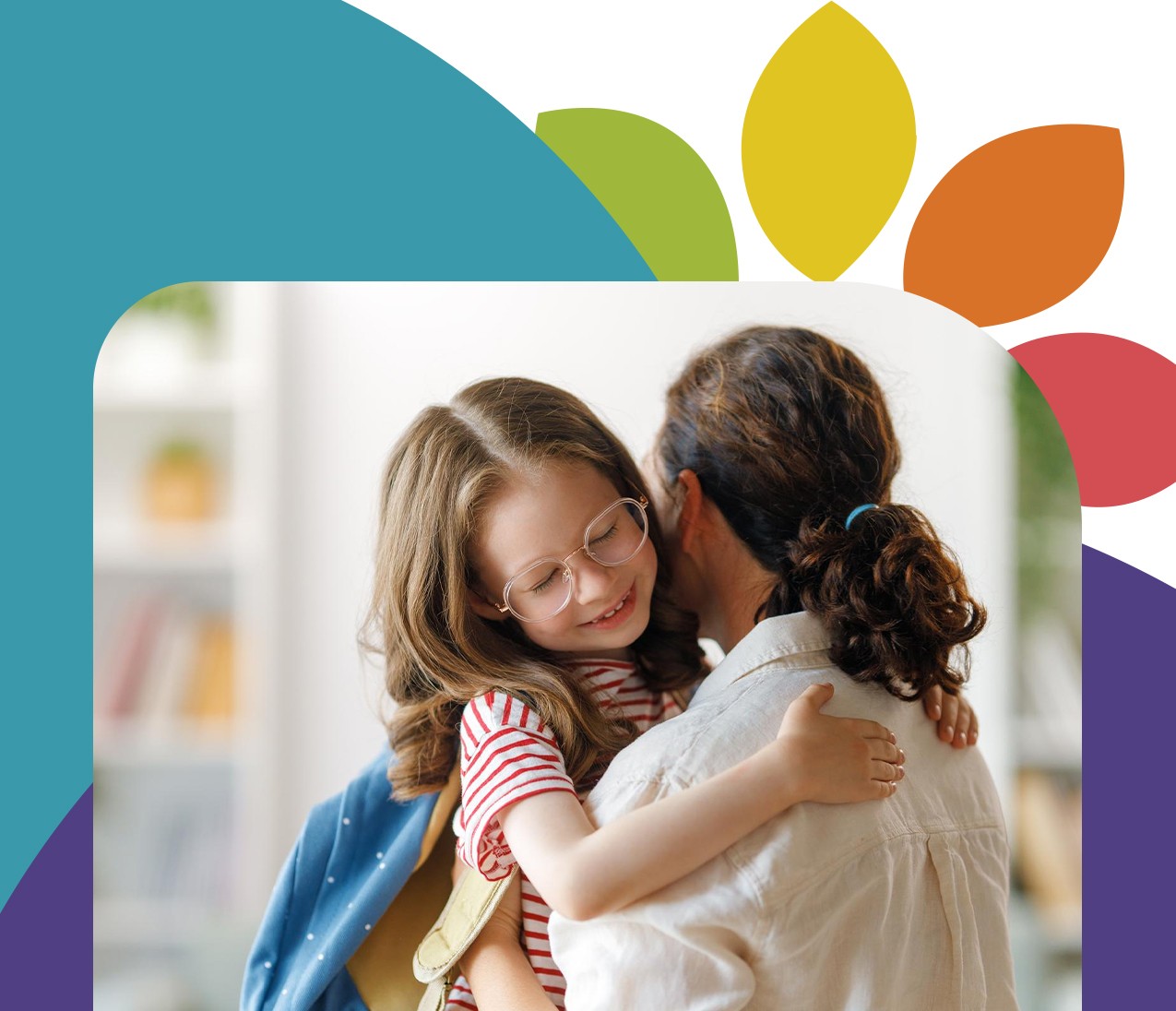
Communication shapes how children connect with the world. When a child experiences both hearing differences and autism, the communication pathway can look different from typical developmental patterns.
Deafness and autism refers to individuals who are both deaf or hard of hearing and meet criteria for autism spectrum disorder. Research shows that autism is more common among deaf and hard-of-hearing children compared to the general population.
This article explains what is known about deafness and autism, how dual diagnosis is identified, and how structured support can help children thrive.
How Common Is Deafness and Autism?
Studies indicate higher rates of autism among deaf and hard-of-hearing children than among hearing peers. A 2023 review published in Frontiers in Pediatrics found that autism prevalence in deaf and hard-of-hearing children is significantly higher than in the general population.
The reasons are still being studied. Overlapping communication challenges can complicate identification. Understanding deafness and autism requires careful evaluation.
Autism and Hearing Loss - Is There A Connection?
Why Deafness and Autism Can Be Difficult to Diagnose
Some behaviors associated with autism may also occur in children who are deaf or hard of hearing.
Examples include:
Delayed speech
Limited response to name
Reduced eye contact
Communication frustration
The National Deaf Children’s Society explains that distinguishing between hearing-related language delay and autism-related social communication differences requires specialized assessment. Because of this overlap, evaluation must consider both hearing status and developmental history.
Key Characteristics of Deafness and Autism
Children with deafness and autism may show:
Differences in joint attention
Limited social reciprocity beyond communication barriers
Repetitive behaviors not explained by hearing differences
Sensory sensitivities
Strong need for routine
Assessment must include audiological testing and autism-specific tools adapted for deaf individuals.
Case Example: Delayed Language in a Deaf Child
Child profile:
Diagnosed with moderate hearing loss at age 2
Uses hearing aids
Limited social interaction beyond communication barriers
Engages in repetitive play patterns
Comprehensive evaluation includes:
Audiology assessment
Developmental history
Autism-specific screening adapted for deaf children
Outcome:
Dual diagnosis of deafness and autism
Individualized intervention plan
This illustrates the importance of specialized evaluation.
Communication in Deafness and Autism
Children with deafness and autism may use:
Spoken language with assistive devices
Picture communication systems
Research emphasizes that access to early, consistent language exposure is critical for cognitive development. Children with dual diagnosis benefit from accessible language environments, whether spoken or signed.
Sensory Considerations in Deafness and Autism
Both deafness and autism may involve sensory differences.
Examples include:
Vestibular processing differences
Therapy planning must account for sensory needs alongside communication goals.
Educational Support for Deafness and Autism
Educational plans for children with deafness and autism often include:
Visual supports
Structured routines
Sign language interpreters
Social communication goals
Elysium Healthcare notes that individualized, multidisciplinary approaches are essential when supporting individuals with both deafness and autism. Collaboration between audiologists, speech therapists, educators, and behavior analysts strengthens outcomes.
ABA Therapy and Deafness and Autism
ABA therapy can be adapted for children with deafness and autism.
Key considerations include:
Using visual prompts instead of verbal cues
Reinforcement delivered through accessible communication
Teaching joint attention through visual strategies
Incorporating sign language within sessions
Behavioral strategies remain data-driven and individualized.
Family Support and Early Intervention
Research consistently shows that early intervention improves developmental outcomes. For children with deafness and autism, early identification allows:
Access to communication supports
Structured behavioral intervention
Family education
Sensory accommodations
Family involvement increases consistency across environments.
Challenges Families May Face
Families navigating deafness and autism may experience:
Delayed diagnosis
Limited access to specialists
Communication frustration
Educational placement decisions
Multidisciplinary assessment reduces diagnostic delays.
Conclusion
Deafness and Autism require careful, comprehensive evaluation to distinguish overlapping traits and design effective support plans. Research confirms that dual diagnosis is more common than previously recognized.
At Blossom ABA, our clinical team collaborates with families and specialists to create individualized treatment plans that address communication, behavior, and developmental goals. If your child has hearing differences and you have concerns about autism, schedule a comprehensive assessment with Blossom ABA today.
Accurate diagnosis leads to structured support and measurable progress.
FAQs
Can a child have both deafness and autism?
Yes. Research shows autism occurs at higher rates among deaf and hard-of-hearing children compared to the general population.
How is Deafness and Autism diagnosed?
Evaluation includes audiological testing and autism-specific developmental assessment by trained professionals.
Does hearing loss cause autism?
No. Deafness does not cause autism. They are separate conditions that may co-occur.
Can ABA therapy help children with Deafness and Autism?
Yes. ABA can be adapted using visual communication and individualized strategies.
Why is early diagnosis important?
Early identification allows access to communication supports and structured intervention.
Sources
https://pmc.ncbi.nlm.nih.gov/articles/PMC10271818/
Communication shapes how children connect with the world. When a child experiences both hearing differences and autism, the communication pathway can look different from typical developmental patterns.
Deafness and autism refers to individuals who are both deaf or hard of hearing and meet criteria for autism spectrum disorder. Research shows that autism is more common among deaf and hard-of-hearing children compared to the general population.
This article explains what is known about deafness and autism, how dual diagnosis is identified, and how structured support can help children thrive.
How Common Is Deafness and Autism?
Studies indicate higher rates of autism among deaf and hard-of-hearing children than among hearing peers. A 2023 review published in Frontiers in Pediatrics found that autism prevalence in deaf and hard-of-hearing children is significantly higher than in the general population.
The reasons are still being studied. Overlapping communication challenges can complicate identification. Understanding deafness and autism requires careful evaluation.
Autism and Hearing Loss - Is There A Connection?
Why Deafness and Autism Can Be Difficult to Diagnose
Some behaviors associated with autism may also occur in children who are deaf or hard of hearing.
Examples include:
Delayed speech
Limited response to name
Reduced eye contact
Communication frustration
The National Deaf Children’s Society explains that distinguishing between hearing-related language delay and autism-related social communication differences requires specialized assessment. Because of this overlap, evaluation must consider both hearing status and developmental history.
Key Characteristics of Deafness and Autism
Children with deafness and autism may show:
Differences in joint attention
Limited social reciprocity beyond communication barriers
Repetitive behaviors not explained by hearing differences
Sensory sensitivities
Strong need for routine
Assessment must include audiological testing and autism-specific tools adapted for deaf individuals.
Case Example: Delayed Language in a Deaf Child
Child profile:
Diagnosed with moderate hearing loss at age 2
Uses hearing aids
Limited social interaction beyond communication barriers
Engages in repetitive play patterns
Comprehensive evaluation includes:
Audiology assessment
Developmental history
Autism-specific screening adapted for deaf children
Outcome:
Dual diagnosis of deafness and autism
Individualized intervention plan
This illustrates the importance of specialized evaluation.
Communication in Deafness and Autism
Children with deafness and autism may use:
Spoken language with assistive devices
Picture communication systems
Research emphasizes that access to early, consistent language exposure is critical for cognitive development. Children with dual diagnosis benefit from accessible language environments, whether spoken or signed.
Sensory Considerations in Deafness and Autism
Both deafness and autism may involve sensory differences.
Examples include:
Vestibular processing differences
Therapy planning must account for sensory needs alongside communication goals.
Educational Support for Deafness and Autism
Educational plans for children with deafness and autism often include:
Visual supports
Structured routines
Sign language interpreters
Social communication goals
Elysium Healthcare notes that individualized, multidisciplinary approaches are essential when supporting individuals with both deafness and autism. Collaboration between audiologists, speech therapists, educators, and behavior analysts strengthens outcomes.
ABA Therapy and Deafness and Autism
ABA therapy can be adapted for children with deafness and autism.
Key considerations include:
Using visual prompts instead of verbal cues
Reinforcement delivered through accessible communication
Teaching joint attention through visual strategies
Incorporating sign language within sessions
Behavioral strategies remain data-driven and individualized.
Family Support and Early Intervention
Research consistently shows that early intervention improves developmental outcomes. For children with deafness and autism, early identification allows:
Access to communication supports
Structured behavioral intervention
Family education
Sensory accommodations
Family involvement increases consistency across environments.
Challenges Families May Face
Families navigating deafness and autism may experience:
Delayed diagnosis
Limited access to specialists
Communication frustration
Educational placement decisions
Multidisciplinary assessment reduces diagnostic delays.
Conclusion
Deafness and Autism require careful, comprehensive evaluation to distinguish overlapping traits and design effective support plans. Research confirms that dual diagnosis is more common than previously recognized.
At Blossom ABA, our clinical team collaborates with families and specialists to create individualized treatment plans that address communication, behavior, and developmental goals. If your child has hearing differences and you have concerns about autism, schedule a comprehensive assessment with Blossom ABA today.
Accurate diagnosis leads to structured support and measurable progress.
FAQs
Can a child have both deafness and autism?
Yes. Research shows autism occurs at higher rates among deaf and hard-of-hearing children compared to the general population.
How is Deafness and Autism diagnosed?
Evaluation includes audiological testing and autism-specific developmental assessment by trained professionals.
Does hearing loss cause autism?
No. Deafness does not cause autism. They are separate conditions that may co-occur.
Can ABA therapy help children with Deafness and Autism?
Yes. ABA can be adapted using visual communication and individualized strategies.
Why is early diagnosis important?
Early identification allows access to communication supports and structured intervention.
Sources
https://pmc.ncbi.nlm.nih.gov/articles/PMC10271818/
Deafness and Autism: Understanding Dual Diagnosis in Children


¿Buscas apoyo?
¡Estamos aquí para ayudar!
Nuestros profesionales dedicados se especializan en terapia ABA para fomentar el crecimiento y la felicidad de su hijo. Estamos aquí para proporcionar la atención y el cuidado personalizado que su hijo merece. Póngase en contacto para conocer cómo podemos apoyar el viaje de su familia.
Conéctate con nuestros expertos en ABA hoy.
Noticias y Blogs
Noticias y Blogs
Últimas noticias y blogs

¿TE APASIONA AYUDAR A LOS NIÑOS?
Únete a nuestro equipo
Blossom Therapy busca constantemente BCBAs y RBTs calificados para ocupar puestos a tiempo completo y parcial.


