
¡Nuestra nueva clínica en Peachtree Corners ya está abierta! Atendiendo a familias en Norcross, Dunwoody, Sandy Springs, Duluth, Johns Creek, Alpharetta, Roswell, Suwanee, Brookhaven y áreas cercanas.

How to Stop a Child from Hitting Themselves: Safe, Supportive Strategies

14 ene 2026

How to Stop a Child from Hitting Themselves: Safe, Supportive Strategies

14 ene 2026

How to Stop a Child from Hitting Themselves: Safe, Supportive Strategies

14 ene 2026

How to Stop a Child from Hitting Themselves: Safe, Supportive Strategies

14 ene 2026

How to stop a child from hitting themselves. Discover safe, supportive strategies to manage self-injury and provide the care your child needs.

Seeing a child hit themselves can be alarming, but this behavior is often a form of communication, not intentional harm. Children—especially those with autism or communication delays—may hit themselves when they feel overwhelmed, frustrated, or unable to express their needs.

The priority is always safety. Gently block the behavior if necessary and remove any objects that could cause injury. Avoid strong reactions like yelling or scolding, as these can increase stress and unintentionally reinforce the behavior.

Understanding why the behavior occurs is essential. Some children hit themselves to escape a difficult task, seek sensory input, or express emotional distress. Once the reason is identified, caregivers can teach replacement behaviors, such as using words, visuals, or gestures to ask for help, taking a break, or using sensory tools like squeeze toys.

ABA therapy plays a critical role by conducting functional behavior assessments and creating individualized plans that reduce self-hitting while building communication and coping skills.

At Blossom ABA Therapy, we support families with compassionate, evidence-based strategies that prioritize safety, understanding, and long-term emotional regulation—helping children develop healthier ways to express themselves.

Frequently Asked Questions

1. Why does my child hit themselves?
Self-hitting is often a way to communicate frustration, manage sensory overload, or cope with strong emotions.

2. Is self-hitting the same as intentional self-harm?
In young children and autistic children, self-hitting is usually a behavioral or sensory response—not intentional self-harm.

3. What should I do when my child starts hitting themselves?
Stay calm, ensure safety, and redirect the behavior without yelling or punishment.

4. Should I try to stop the behavior immediately?
Safety comes first, but understanding why the behavior happens is key to reducing it long term.
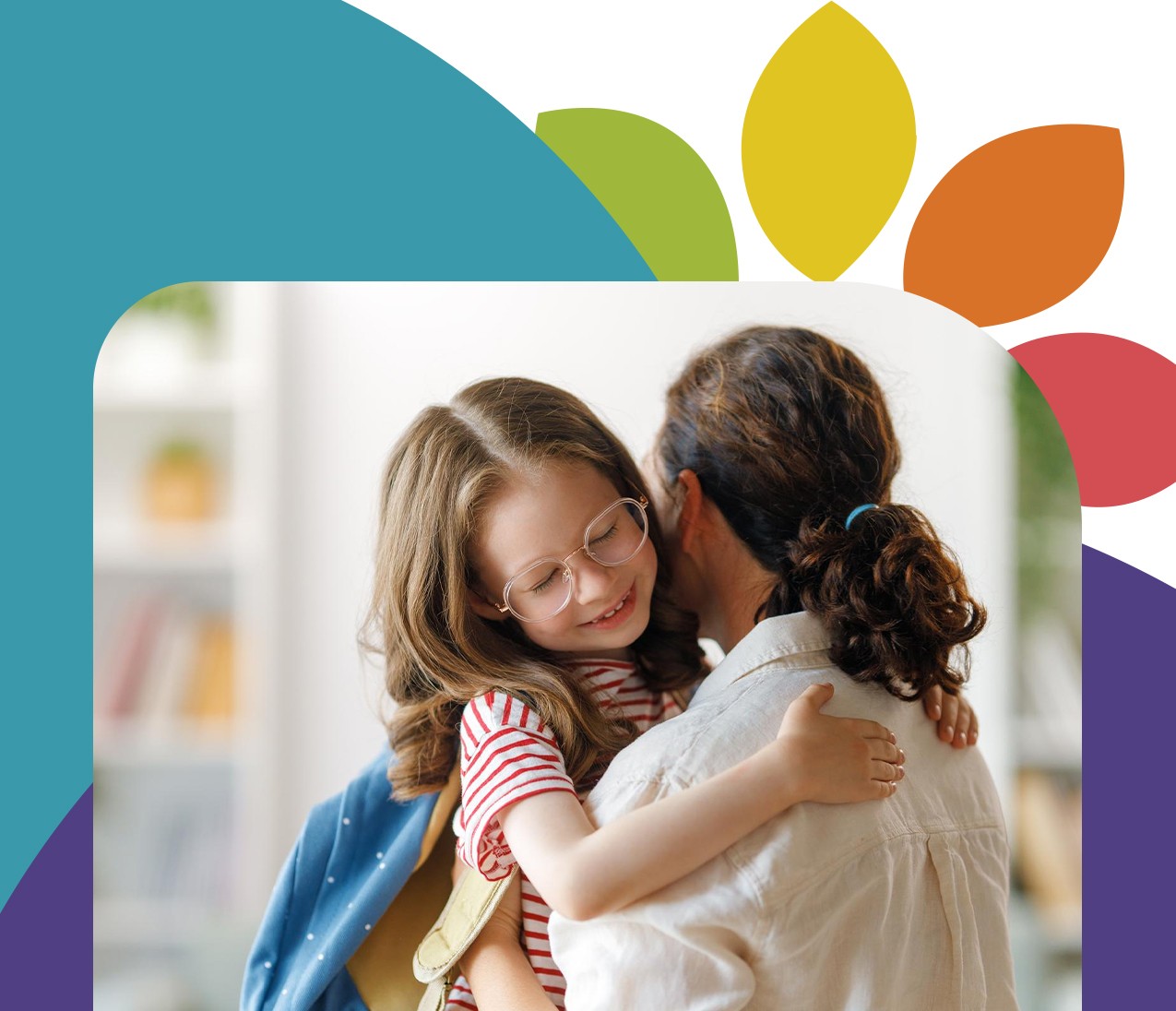
Seeing a child hit themselves can be alarming, but this behavior is often a form of communication, not intentional harm. Children—especially those with autism or communication delays—may hit themselves when they feel overwhelmed, frustrated, or unable to express their needs.

The priority is always safety. Gently block the behavior if necessary and remove any objects that could cause injury. Avoid strong reactions like yelling or scolding, as these can increase stress and unintentionally reinforce the behavior.

Understanding why the behavior occurs is essential. Some children hit themselves to escape a difficult task, seek sensory input, or express emotional distress. Once the reason is identified, caregivers can teach replacement behaviors, such as using words, visuals, or gestures to ask for help, taking a break, or using sensory tools like squeeze toys.

ABA therapy plays a critical role by conducting functional behavior assessments and creating individualized plans that reduce self-hitting while building communication and coping skills.

At Blossom ABA Therapy, we support families with compassionate, evidence-based strategies that prioritize safety, understanding, and long-term emotional regulation—helping children develop healthier ways to express themselves.

Frequently Asked Questions

1. Why does my child hit themselves?
Self-hitting is often a way to communicate frustration, manage sensory overload, or cope with strong emotions.

2. Is self-hitting the same as intentional self-harm?
In young children and autistic children, self-hitting is usually a behavioral or sensory response—not intentional self-harm.

3. What should I do when my child starts hitting themselves?
Stay calm, ensure safety, and redirect the behavior without yelling or punishment.

4. Should I try to stop the behavior immediately?
Safety comes first, but understanding why the behavior happens is key to reducing it long term.

Seeing a child hit themselves can be alarming, but this behavior is often a form of communication, not intentional harm. Children—especially those with autism or communication delays—may hit themselves when they feel overwhelmed, frustrated, or unable to express their needs.

The priority is always safety. Gently block the behavior if necessary and remove any objects that could cause injury. Avoid strong reactions like yelling or scolding, as these can increase stress and unintentionally reinforce the behavior.

Understanding why the behavior occurs is essential. Some children hit themselves to escape a difficult task, seek sensory input, or express emotional distress. Once the reason is identified, caregivers can teach replacement behaviors, such as using words, visuals, or gestures to ask for help, taking a break, or using sensory tools like squeeze toys.

ABA therapy plays a critical role by conducting functional behavior assessments and creating individualized plans that reduce self-hitting while building communication and coping skills.

At Blossom ABA Therapy, we support families with compassionate, evidence-based strategies that prioritize safety, understanding, and long-term emotional regulation—helping children develop healthier ways to express themselves.

Frequently Asked Questions

1. Why does my child hit themselves?
Self-hitting is often a way to communicate frustration, manage sensory overload, or cope with strong emotions.

2. Is self-hitting the same as intentional self-harm?
In young children and autistic children, self-hitting is usually a behavioral or sensory response—not intentional self-harm.

3. What should I do when my child starts hitting themselves?
Stay calm, ensure safety, and redirect the behavior without yelling or punishment.

4. Should I try to stop the behavior immediately?
Safety comes first, but understanding why the behavior happens is key to reducing it long term.

Seeing a child hit themselves can be alarming, but this behavior is often a form of communication, not intentional harm. Children—especially those with autism or communication delays—may hit themselves when they feel overwhelmed, frustrated, or unable to express their needs.

The priority is always safety. Gently block the behavior if necessary and remove any objects that could cause injury. Avoid strong reactions like yelling or scolding, as these can increase stress and unintentionally reinforce the behavior.

Understanding why the behavior occurs is essential. Some children hit themselves to escape a difficult task, seek sensory input, or express emotional distress. Once the reason is identified, caregivers can teach replacement behaviors, such as using words, visuals, or gestures to ask for help, taking a break, or using sensory tools like squeeze toys.

ABA therapy plays a critical role by conducting functional behavior assessments and creating individualized plans that reduce self-hitting while building communication and coping skills.

At Blossom ABA Therapy, we support families with compassionate, evidence-based strategies that prioritize safety, understanding, and long-term emotional regulation—helping children develop healthier ways to express themselves.

Frequently Asked Questions

1. Why does my child hit themselves?
Self-hitting is often a way to communicate frustration, manage sensory overload, or cope with strong emotions.

2. Is self-hitting the same as intentional self-harm?
In young children and autistic children, self-hitting is usually a behavioral or sensory response—not intentional self-harm.

3. What should I do when my child starts hitting themselves?
Stay calm, ensure safety, and redirect the behavior without yelling or punishment.

4. Should I try to stop the behavior immediately?
Safety comes first, but understanding why the behavior happens is key to reducing it long term.

How to Stop a Child from Hitting Themselves: Safe, Supportive Strategies | Blossom ABA Therapy

How to Stop a Child from Hitting Themselves: Safe, Supportive Strategies | Blossom ABA Therapy

¿Buscas apoyo?
¡Estamos aquí para ayudar!

Nuestros profesionales dedicados se especializan en terapia ABA para fomentar el crecimiento y la felicidad de su hijo. Estamos aquí para proporcionar la atención y el cuidado personalizado que su hijo merece. Póngase en contacto para conocer cómo podemos apoyar el viaje de su familia.

Conéctate con nuestros expertos en ABA hoy.

¿TE APASIONA AYUDAR A LOS NIÑOS?

¿TE APASIONA AYUDAR A LOS NIÑOS?

Únete a nuestro equipo

Únete a nuestro equipo

Únete a nuestro equipo

Únete a nuestro equipo

Blossom Therapy busca constantemente BCBAs y RBTs calificados para ocupar puestos a tiempo completo y parcial.

Blossom Therapy busca constantemente BCBAs y RBTs calificados para ocupar puestos a tiempo completo y parcial.

Blossom Therapy busca constantemente BCBAs y RBTs calificados para ocupar puestos a tiempo completo y parcial.

Blossom Therapy busca constantemente BCBAs y RBTs calificados para ocupar puestos a tiempo completo y parcial.

TERAPIA ABA

TERAPIA ABA

TERAPIA ABA

TERAPIA ABA

Obtén terapia ABA para tu hijo

Obtén terapia ABA para tu hijo

Obtén terapia ABA para tu hijo

Obtén terapia ABA para tu hijo

Empoderando el Progreso: Navegando la Terapia ABA para el Desarrollo de Su Hijo