¡Nuestra nueva clínica en Peachtree Corners ya está abierta! Atendiendo a familias en Norcross, Dunwoody, Sandy Springs, Duluth, Johns Creek, Alpharetta, Roswell, Suwanee, Brookhaven y áreas cercanas.

Mold and Autism: What Parents Should Know About Environmental Exposure and Neurodevelopment

7 mar 2026

Mold and Autism: What Parents Should Know About Environmental Exposure and Neurodevelopment

7 mar 2026

Learn the facts about Mold and Autism, including what research says about mold exposure, mycotoxins, autism risk, and how environmental health may affect children.

Parents often search for answers when learning about autism spectrum disorder (ASD). Questions about environmental influences frequently arise, including concerns about household toxins and indoor air quality. One topic that has received growing attention online is Mold and Autism. Families sometimes wonder whether mold exposure could cause autism or worsen symptoms in children who already have a diagnosis.

Understanding the relationship between Mold and Autism requires a careful look at scientific research, environmental health, and the biological mechanisms that affect child development. Current evidence shows that autism is a complex neurodevelopmental condition influenced by genetics and prenatal factors. At the same time, environmental exposures—including mold—can affect overall health and may interact with immune and neurological systems in certain ways.

This article provides a comprehensive, research-based overview of Mold and Autism, including how mold exposure affects the body, what science currently says about autism risk, and what parents should know about protecting children from environmental hazards. The goal is to present clear facts supported by scientific sources while helping families understand how early intervention and professional support can make a meaningful difference.

Understanding Autism Spectrum Disorder

Before discussing Mold and Autism, it is important to understand what autism is and how it develops.

Autism spectrum disorder (ASD) is a neurodevelopmental condition that affects communication, behavior, and social interaction. Symptoms typically appear in early childhood and can vary widely in severity and presentation.

Common characteristics of autism include:

  • Differences in social communication

  • Repetitive behaviors or restricted interests

  • Sensory sensitivities

  • Challenges with verbal or nonverbal communication

  • Differences in learning patterns and behavior regulation

Research shows that autism develops during early brain development, often before a child is born. Genetic factors play a major role, and scientists continue to study how environmental influences may interact with genetic susceptibility.

Because autism is complex, families frequently investigate possible environmental triggers or contributing factors. This is where discussions about Mold and Autism often arise.

What Is Mold?

To understand the topic of Mold and Autism, it is helpful to first explore what mold is and how it affects the environment.

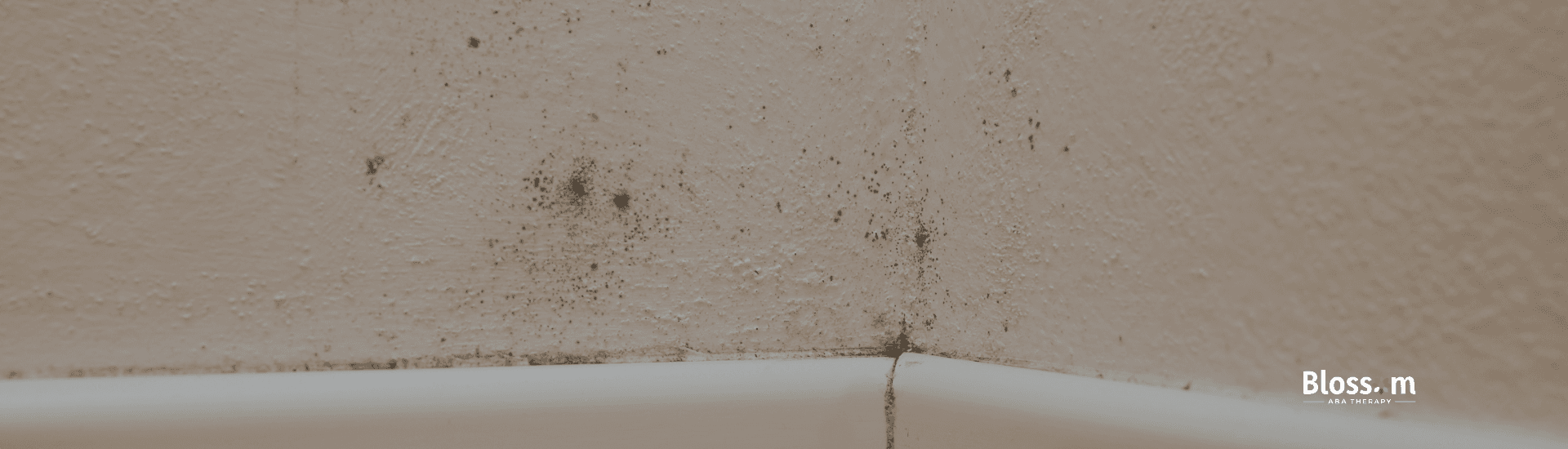
Mold is a type of fungus that grows in moist environments. It reproduces through microscopic spores that travel through the air. These spores are present both indoors and outdoors.

Mold can grow on many surfaces, including:

  • Wood

  • Carpet

  • Paper

  • Drywall

  • Insulation

  • Fabric

  • Food

Indoor mold growth usually occurs in damp environments such as:

  • Bathrooms

  • Basements

  • Kitchens

  • Areas affected by leaks

  • Water-damaged buildings

Most molds are harmless in small amounts, but certain species produce substances called mycotoxins, which may affect human health under certain conditions.

Because of these potential health effects, researchers have examined whether mold exposure could influence neurological development or play a role in conditions such as autism.

The Growing Discussion About Mold and Autism

Online discussions about Mold and Autism have increased in recent years. Parents sometimes report noticing behavioral changes in children after mold exposure or living in water-damaged buildings.

These concerns have prompted researchers to examine whether mold toxins could influence the developing brain.

However, it is important to distinguish between three different questions:

  1. Does mold exposure cause autism?

  2. Can mold exposure affect neurological health?

  3. Could mold worsen symptoms in children who already have autism?

Scientific research treats these questions separately.

At present, the majority of studies agree on one key point: there is no conclusive scientific evidence that mold exposure directly causes autism.

However, some research suggests that environmental toxins—including mold-related mycotoxins—can affect immune responses, inflammation, and neurological systems. These factors may interact with existing vulnerabilities in some individuals.

This complexity is why the relationship between Mold and Autism continues to be studied.

The Scientific Consensus on Mold and Autism

When examining the topic of Mold and Autism, it is essential to look at the current scientific consensus.

Multiple scientific reviews and health organizations emphasize that:

  • Autism is primarily linked to genetic and prenatal factors

  • Environmental exposures may influence development in certain ways

  • Mold exposure has not been proven to cause autism

Researchers emphasize that correlation does not equal causation. Many studies investigating Mold and Autism are observational, meaning they can identify patterns but cannot prove a direct cause-and-effect relationship.

For example:

  • Studies examining prenatal mold exposure have not found a consistent association with autism risk.

  • Major health organizations do not list mold as a confirmed cause of autism.

This means that while mold exposure can affect health in other ways, current evidence does not support the claim that mold directly leads to autism.

Understanding this distinction is critical when discussing Mold and Autism.

How Mold Exposure Can Affect the Human Body

Although mold is not considered a proven cause of autism, exposure to mold—especially in high concentrations—can affect human health.

Common health effects associated with mold exposure include:

  • Allergic reactions

  • Asthma symptoms

  • Respiratory irritation

  • Skin irritation

  • Eye irritation

  • Headaches

  • Fatigue

These effects occur because mold spores and mycotoxins can interact with the immune system.

Research shows that certain molds produce toxins that may affect multiple organs and body systems. These toxins can enter the body through inhalation, ingestion, or skin contact.

In some cases, mold exposure can trigger inflammatory responses in the body.

Inflammation is one of the biological pathways researchers have examined when studying Mold and Autism.

Mycotoxins and Their Possible Neurological Effects

A key topic in discussions about Mold and Autism is the role of mycotoxins.

Mycotoxins are toxic compounds produced by certain species of mold, including:

  • Stachybotrys

  • Aspergillus

  • Penicillium

  • Fusarium

These toxins can affect biological processes by interacting with the immune system, nervous system, and cellular metabolism.

Research suggests that mycotoxins may influence the nervous system through several mechanisms, including inflammation and immune activation.

Scientists have explored whether these effects could potentially influence neurological conditions. However, these studies do not prove that mycotoxins cause autism.

Instead, they highlight the need for further investigation into environmental exposures and brain health.

The Role of Inflammation in Neurodevelopment

One reason scientists continue to explore Mold and Autism is the role of inflammation in brain development.

Inflammation is part of the body’s immune response to infection or toxins. When inflammation becomes chronic or occurs during critical periods of development, it may affect neurological processes.

Some research suggests that mycotoxins can trigger inflammatory pathways in the body.

In theory, inflammation could influence:

  • Brain development

  • Immune regulation

  • Neurochemical signaling

However, it is important to emphasize that these mechanisms remain theoretical in the context of Mold and Autism. Current research has not established a direct causal pathway linking mold exposure to autism.

Immune System Responses and Autism Research

Another area researchers study when exploring Mold and Autism is the immune system.

Some individuals with autism show differences in immune responses, including elevated inflammatory markers or altered immune regulation.

Mold exposure is known to interact with the immune system, sometimes triggering allergic reactions or immune activation.

Scientists have proposed that environmental toxins—including mold—might influence immune responses in genetically susceptible individuals.

However, this idea remains a hypothesis rather than a proven cause of autism.

Most autism research continues to emphasize the strong role of genetic and prenatal developmental factors.

The Gut-Brain Axis and Environmental Factors

Another area of research related to Mold and Autism involves the gut-brain axis.

The gut-brain axis refers to the communication network between the digestive system and the brain.

Some studies have found differences in the gut microbiome of individuals with autism.

Researchers have proposed that environmental toxins—including mold toxins—could potentially disrupt gut bacteria and influence neurological processes.

However, these ideas remain theoretical. The existing evidence does not prove that mold exposure causes autism through the gut-brain axis.

More controlled studies are required before scientists can draw definitive conclusions about Mold and Autism in this area.

Can Mold Exposure Worsen Autism Symptoms?

Although mold is not considered a cause of autism, researchers have explored whether mold exposure could worsen existing symptoms.

Some reports suggest that individuals with autism may be more sensitive to environmental factors, including allergens or toxins.

In these cases, mold exposure could potentially contribute to symptoms such as:

  • Irritability

  • Fatigue

  • Difficulty concentrating

  • Respiratory discomfort

  • Sensory sensitivity

However, these symptoms are not specific to autism and can occur in many individuals exposed to mold.

Researchers emphasize that mold exposure may affect overall health but does not change the underlying neurological characteristics of autism.

Common Myths About Mold and Autism

Discussions about Mold and Autism often include misinformation.

Some common myths include:

Myth 1: Mold causes autism

Scientific research does not support this claim. Autism is primarily associated with genetic and prenatal developmental factors.

Myth 2: Removing mold can cure autism

There is no evidence that mold remediation cures autism. Autism is a lifelong neurodevelopmental condition.

Myth 3: Mold toxins are the main cause of autism

Current research does not support mold toxins as a primary cause of autism.

These misconceptions highlight the importance of relying on credible research when discussing Mold and Autism.

Protecting Children From Mold Exposure

Even though mold is not a proven cause of autism, maintaining a healthy indoor environment is important for all children.

Steps to reduce mold exposure include:

  • Fixing water leaks promptly

  • Keeping humidity levels below 50%

  • Using proper ventilation in bathrooms and kitchens

  • Cleaning visible mold safely

  • Using dehumidifiers in damp areas

  • Ensuring good air circulation

These strategies help reduce respiratory risks and maintain healthy indoor air quality.

Why Early Developmental Support Matters

While research continues to explore environmental factors like Mold and Autism, one fact remains clear: early intervention plays a crucial role in supporting children with autism.

Evidence-based therapies can help children develop important skills, including:

  • Communication

  • Social interaction

  • Behavior regulation

  • Daily living skills

Applied Behavior Analysis (ABA) therapy is one of the most widely studied and evidence-based interventions for autism.

ABA therapy focuses on teaching skills through structured learning, reinforcement, and individualized strategies.

For many families, early support can significantly improve long-term outcomes for children with autism.

How ABA Therapy Supports Children With Autism

At clinics like Blossom ABA Therapy, specialists work closely with children and families to create personalized therapy plans.

ABA therapy can help children:

  • Improve communication skills

  • Develop social interaction abilities

  • Reduce challenging behaviors

  • Build independence in daily activities

  • Strengthen learning and problem-solving skills

Because autism presents differently in every child, therapy programs are customized to meet individual needs.

Early intervention services often include collaboration between therapists, families, and educators.

When Parents Should Seek Professional Guidance

Parents sometimes begin researching topics like Mold and Autism when they notice developmental differences in their child.

Signs that may indicate the need for a developmental evaluation include:

  • Limited eye contact

  • Delayed speech or language development

  • Difficulty with social interaction

  • Repetitive behaviors

  • Sensory sensitivities

  • Challenges with communication

If parents notice these signs, consulting a qualified professional can help determine whether a developmental assessment is recommended.

Early identification allows children to receive appropriate support as soon as possible.

Conclusion

The relationship between Mold and Autism is a topic that continues to generate questions among families and researchers. Current scientific evidence shows that mold exposure does not directly cause autism. Autism is a complex neurodevelopmental condition primarily influenced by genetics and early brain development.

However, mold exposure can affect health in other ways, including triggering allergic reactions, respiratory symptoms, and immune responses. Researchers continue to study how environmental factors may interact with biological systems, but the connection between Mold and Autism remains unproven.

For parents concerned about developmental differences, the most important step is early evaluation and access to evidence-based support.

At Blossom ABA Therapy, experienced professionals provide individualized ABA therapy programs designed to help children with autism build communication, social, and life skills.

If you have questions about your child’s development or would like to learn more about therapy options, consider scheduling a consultation with the team at Blossom ABA Therapy. Early support can make a meaningful difference in helping children reach their full potential.

FAQ: Mold and Autism

Does mold cause autism?
No. Scientific research has not established mold exposure as a cause of autism.

Can mold exposure affect children’s health?
Yes. Mold exposure can cause respiratory issues, allergies, and other health symptoms.

Can mold worsen autism symptoms?
Some individuals with autism may be sensitive to environmental factors like mold, which could contribute to discomfort or irritation.

What are mycotoxins?
Mycotoxins are toxic substances produced by certain molds that can affect biological systems.

Should parents remove mold from their homes?
Yes. Removing mold improves indoor air quality and supports overall health.

Sources:

https://www.apexaba.com/blog/does-mold-cause-autism

https://www.allstaraba.org/autism-in-a-spectrum

https://www.epa.gov/mold/what-mold

https://www.milestoneachievements.com/post/does-mold-cause-autism

https://my.clevelandclinic.org/health/diseases/24862-black-mold

Parents often search for answers when learning about autism spectrum disorder (ASD). Questions about environmental influences frequently arise, including concerns about household toxins and indoor air quality. One topic that has received growing attention online is Mold and Autism. Families sometimes wonder whether mold exposure could cause autism or worsen symptoms in children who already have a diagnosis.

Understanding the relationship between Mold and Autism requires a careful look at scientific research, environmental health, and the biological mechanisms that affect child development. Current evidence shows that autism is a complex neurodevelopmental condition influenced by genetics and prenatal factors. At the same time, environmental exposures—including mold—can affect overall health and may interact with immune and neurological systems in certain ways.

This article provides a comprehensive, research-based overview of Mold and Autism, including how mold exposure affects the body, what science currently says about autism risk, and what parents should know about protecting children from environmental hazards. The goal is to present clear facts supported by scientific sources while helping families understand how early intervention and professional support can make a meaningful difference.

Understanding Autism Spectrum Disorder

Before discussing Mold and Autism, it is important to understand what autism is and how it develops.

Autism spectrum disorder (ASD) is a neurodevelopmental condition that affects communication, behavior, and social interaction. Symptoms typically appear in early childhood and can vary widely in severity and presentation.

Common characteristics of autism include:

  • Differences in social communication

  • Repetitive behaviors or restricted interests

  • Sensory sensitivities

  • Challenges with verbal or nonverbal communication

  • Differences in learning patterns and behavior regulation

Research shows that autism develops during early brain development, often before a child is born. Genetic factors play a major role, and scientists continue to study how environmental influences may interact with genetic susceptibility.

Because autism is complex, families frequently investigate possible environmental triggers or contributing factors. This is where discussions about Mold and Autism often arise.

What Is Mold?

To understand the topic of Mold and Autism, it is helpful to first explore what mold is and how it affects the environment.

Mold is a type of fungus that grows in moist environments. It reproduces through microscopic spores that travel through the air. These spores are present both indoors and outdoors.

Mold can grow on many surfaces, including:

  • Wood

  • Carpet

  • Paper

  • Drywall

  • Insulation

  • Fabric

  • Food

Indoor mold growth usually occurs in damp environments such as:

  • Bathrooms

  • Basements

  • Kitchens

  • Areas affected by leaks

  • Water-damaged buildings

Most molds are harmless in small amounts, but certain species produce substances called mycotoxins, which may affect human health under certain conditions.

Because of these potential health effects, researchers have examined whether mold exposure could influence neurological development or play a role in conditions such as autism.

The Growing Discussion About Mold and Autism

Online discussions about Mold and Autism have increased in recent years. Parents sometimes report noticing behavioral changes in children after mold exposure or living in water-damaged buildings.

These concerns have prompted researchers to examine whether mold toxins could influence the developing brain.

However, it is important to distinguish between three different questions:

  1. Does mold exposure cause autism?

  2. Can mold exposure affect neurological health?

  3. Could mold worsen symptoms in children who already have autism?

Scientific research treats these questions separately.

At present, the majority of studies agree on one key point: there is no conclusive scientific evidence that mold exposure directly causes autism.

However, some research suggests that environmental toxins—including mold-related mycotoxins—can affect immune responses, inflammation, and neurological systems. These factors may interact with existing vulnerabilities in some individuals.

This complexity is why the relationship between Mold and Autism continues to be studied.

The Scientific Consensus on Mold and Autism

When examining the topic of Mold and Autism, it is essential to look at the current scientific consensus.

Multiple scientific reviews and health organizations emphasize that:

  • Autism is primarily linked to genetic and prenatal factors

  • Environmental exposures may influence development in certain ways

  • Mold exposure has not been proven to cause autism

Researchers emphasize that correlation does not equal causation. Many studies investigating Mold and Autism are observational, meaning they can identify patterns but cannot prove a direct cause-and-effect relationship.

For example:

  • Studies examining prenatal mold exposure have not found a consistent association with autism risk.

  • Major health organizations do not list mold as a confirmed cause of autism.

This means that while mold exposure can affect health in other ways, current evidence does not support the claim that mold directly leads to autism.

Understanding this distinction is critical when discussing Mold and Autism.

How Mold Exposure Can Affect the Human Body

Although mold is not considered a proven cause of autism, exposure to mold—especially in high concentrations—can affect human health.

Common health effects associated with mold exposure include:

  • Allergic reactions

  • Asthma symptoms

  • Respiratory irritation

  • Skin irritation

  • Eye irritation

  • Headaches

  • Fatigue

These effects occur because mold spores and mycotoxins can interact with the immune system.

Research shows that certain molds produce toxins that may affect multiple organs and body systems. These toxins can enter the body through inhalation, ingestion, or skin contact.

In some cases, mold exposure can trigger inflammatory responses in the body.

Inflammation is one of the biological pathways researchers have examined when studying Mold and Autism.

Mycotoxins and Their Possible Neurological Effects

A key topic in discussions about Mold and Autism is the role of mycotoxins.

Mycotoxins are toxic compounds produced by certain species of mold, including:

  • Stachybotrys

  • Aspergillus

  • Penicillium

  • Fusarium

These toxins can affect biological processes by interacting with the immune system, nervous system, and cellular metabolism.

Research suggests that mycotoxins may influence the nervous system through several mechanisms, including inflammation and immune activation.

Scientists have explored whether these effects could potentially influence neurological conditions. However, these studies do not prove that mycotoxins cause autism.

Instead, they highlight the need for further investigation into environmental exposures and brain health.

The Role of Inflammation in Neurodevelopment

One reason scientists continue to explore Mold and Autism is the role of inflammation in brain development.

Inflammation is part of the body’s immune response to infection or toxins. When inflammation becomes chronic or occurs during critical periods of development, it may affect neurological processes.

Some research suggests that mycotoxins can trigger inflammatory pathways in the body.

In theory, inflammation could influence:

  • Brain development

  • Immune regulation

  • Neurochemical signaling

However, it is important to emphasize that these mechanisms remain theoretical in the context of Mold and Autism. Current research has not established a direct causal pathway linking mold exposure to autism.

Immune System Responses and Autism Research

Another area researchers study when exploring Mold and Autism is the immune system.

Some individuals with autism show differences in immune responses, including elevated inflammatory markers or altered immune regulation.

Mold exposure is known to interact with the immune system, sometimes triggering allergic reactions or immune activation.

Scientists have proposed that environmental toxins—including mold—might influence immune responses in genetically susceptible individuals.

However, this idea remains a hypothesis rather than a proven cause of autism.

Most autism research continues to emphasize the strong role of genetic and prenatal developmental factors.

The Gut-Brain Axis and Environmental Factors

Another area of research related to Mold and Autism involves the gut-brain axis.

The gut-brain axis refers to the communication network between the digestive system and the brain.

Some studies have found differences in the gut microbiome of individuals with autism.

Researchers have proposed that environmental toxins—including mold toxins—could potentially disrupt gut bacteria and influence neurological processes.

However, these ideas remain theoretical. The existing evidence does not prove that mold exposure causes autism through the gut-brain axis.

More controlled studies are required before scientists can draw definitive conclusions about Mold and Autism in this area.

Can Mold Exposure Worsen Autism Symptoms?

Although mold is not considered a cause of autism, researchers have explored whether mold exposure could worsen existing symptoms.

Some reports suggest that individuals with autism may be more sensitive to environmental factors, including allergens or toxins.

In these cases, mold exposure could potentially contribute to symptoms such as:

  • Irritability

  • Fatigue

  • Difficulty concentrating

  • Respiratory discomfort

  • Sensory sensitivity

However, these symptoms are not specific to autism and can occur in many individuals exposed to mold.

Researchers emphasize that mold exposure may affect overall health but does not change the underlying neurological characteristics of autism.

Common Myths About Mold and Autism

Discussions about Mold and Autism often include misinformation.

Some common myths include:

Myth 1: Mold causes autism

Scientific research does not support this claim. Autism is primarily associated with genetic and prenatal developmental factors.

Myth 2: Removing mold can cure autism

There is no evidence that mold remediation cures autism. Autism is a lifelong neurodevelopmental condition.

Myth 3: Mold toxins are the main cause of autism

Current research does not support mold toxins as a primary cause of autism.

These misconceptions highlight the importance of relying on credible research when discussing Mold and Autism.

Protecting Children From Mold Exposure

Even though mold is not a proven cause of autism, maintaining a healthy indoor environment is important for all children.

Steps to reduce mold exposure include:

  • Fixing water leaks promptly

  • Keeping humidity levels below 50%

  • Using proper ventilation in bathrooms and kitchens

  • Cleaning visible mold safely

  • Using dehumidifiers in damp areas

  • Ensuring good air circulation

These strategies help reduce respiratory risks and maintain healthy indoor air quality.

Why Early Developmental Support Matters

While research continues to explore environmental factors like Mold and Autism, one fact remains clear: early intervention plays a crucial role in supporting children with autism.

Evidence-based therapies can help children develop important skills, including:

  • Communication

  • Social interaction

  • Behavior regulation

  • Daily living skills

Applied Behavior Analysis (ABA) therapy is one of the most widely studied and evidence-based interventions for autism.

ABA therapy focuses on teaching skills through structured learning, reinforcement, and individualized strategies.

For many families, early support can significantly improve long-term outcomes for children with autism.

How ABA Therapy Supports Children With Autism

At clinics like Blossom ABA Therapy, specialists work closely with children and families to create personalized therapy plans.

ABA therapy can help children:

  • Improve communication skills

  • Develop social interaction abilities

  • Reduce challenging behaviors

  • Build independence in daily activities

  • Strengthen learning and problem-solving skills

Because autism presents differently in every child, therapy programs are customized to meet individual needs.

Early intervention services often include collaboration between therapists, families, and educators.

When Parents Should Seek Professional Guidance

Parents sometimes begin researching topics like Mold and Autism when they notice developmental differences in their child.

Signs that may indicate the need for a developmental evaluation include:

  • Limited eye contact

  • Delayed speech or language development

  • Difficulty with social interaction

  • Repetitive behaviors

  • Sensory sensitivities

  • Challenges with communication

If parents notice these signs, consulting a qualified professional can help determine whether a developmental assessment is recommended.

Early identification allows children to receive appropriate support as soon as possible.

Conclusion

The relationship between Mold and Autism is a topic that continues to generate questions among families and researchers. Current scientific evidence shows that mold exposure does not directly cause autism. Autism is a complex neurodevelopmental condition primarily influenced by genetics and early brain development.

However, mold exposure can affect health in other ways, including triggering allergic reactions, respiratory symptoms, and immune responses. Researchers continue to study how environmental factors may interact with biological systems, but the connection between Mold and Autism remains unproven.

For parents concerned about developmental differences, the most important step is early evaluation and access to evidence-based support.

At Blossom ABA Therapy, experienced professionals provide individualized ABA therapy programs designed to help children with autism build communication, social, and life skills.

If you have questions about your child’s development or would like to learn more about therapy options, consider scheduling a consultation with the team at Blossom ABA Therapy. Early support can make a meaningful difference in helping children reach their full potential.

FAQ: Mold and Autism

Does mold cause autism?
No. Scientific research has not established mold exposure as a cause of autism.

Can mold exposure affect children’s health?
Yes. Mold exposure can cause respiratory issues, allergies, and other health symptoms.

Can mold worsen autism symptoms?
Some individuals with autism may be sensitive to environmental factors like mold, which could contribute to discomfort or irritation.

What are mycotoxins?
Mycotoxins are toxic substances produced by certain molds that can affect biological systems.

Should parents remove mold from their homes?
Yes. Removing mold improves indoor air quality and supports overall health.

Sources:

https://www.apexaba.com/blog/does-mold-cause-autism

https://www.allstaraba.org/autism-in-a-spectrum

https://www.epa.gov/mold/what-mold

https://www.milestoneachievements.com/post/does-mold-cause-autism

https://my.clevelandclinic.org/health/diseases/24862-black-mold

Parents often search for answers when learning about autism spectrum disorder (ASD). Questions about environmental influences frequently arise, including concerns about household toxins and indoor air quality. One topic that has received growing attention online is Mold and Autism. Families sometimes wonder whether mold exposure could cause autism or worsen symptoms in children who already have a diagnosis.

Understanding the relationship between Mold and Autism requires a careful look at scientific research, environmental health, and the biological mechanisms that affect child development. Current evidence shows that autism is a complex neurodevelopmental condition influenced by genetics and prenatal factors. At the same time, environmental exposures—including mold—can affect overall health and may interact with immune and neurological systems in certain ways.

This article provides a comprehensive, research-based overview of Mold and Autism, including how mold exposure affects the body, what science currently says about autism risk, and what parents should know about protecting children from environmental hazards. The goal is to present clear facts supported by scientific sources while helping families understand how early intervention and professional support can make a meaningful difference.

Understanding Autism Spectrum Disorder

Before discussing Mold and Autism, it is important to understand what autism is and how it develops.

Autism spectrum disorder (ASD) is a neurodevelopmental condition that affects communication, behavior, and social interaction. Symptoms typically appear in early childhood and can vary widely in severity and presentation.

Common characteristics of autism include:

  • Differences in social communication

  • Repetitive behaviors or restricted interests

  • Sensory sensitivities

  • Challenges with verbal or nonverbal communication

  • Differences in learning patterns and behavior regulation

Research shows that autism develops during early brain development, often before a child is born. Genetic factors play a major role, and scientists continue to study how environmental influences may interact with genetic susceptibility.

Because autism is complex, families frequently investigate possible environmental triggers or contributing factors. This is where discussions about Mold and Autism often arise.

What Is Mold?

To understand the topic of Mold and Autism, it is helpful to first explore what mold is and how it affects the environment.

Mold is a type of fungus that grows in moist environments. It reproduces through microscopic spores that travel through the air. These spores are present both indoors and outdoors.

Mold can grow on many surfaces, including:

  • Wood

  • Carpet

  • Paper

  • Drywall

  • Insulation

  • Fabric

  • Food

Indoor mold growth usually occurs in damp environments such as:

  • Bathrooms

  • Basements

  • Kitchens

  • Areas affected by leaks

  • Water-damaged buildings

Most molds are harmless in small amounts, but certain species produce substances called mycotoxins, which may affect human health under certain conditions.

Because of these potential health effects, researchers have examined whether mold exposure could influence neurological development or play a role in conditions such as autism.

The Growing Discussion About Mold and Autism

Online discussions about Mold and Autism have increased in recent years. Parents sometimes report noticing behavioral changes in children after mold exposure or living in water-damaged buildings.

These concerns have prompted researchers to examine whether mold toxins could influence the developing brain.

However, it is important to distinguish between three different questions:

  1. Does mold exposure cause autism?

  2. Can mold exposure affect neurological health?

  3. Could mold worsen symptoms in children who already have autism?

Scientific research treats these questions separately.

At present, the majority of studies agree on one key point: there is no conclusive scientific evidence that mold exposure directly causes autism.

However, some research suggests that environmental toxins—including mold-related mycotoxins—can affect immune responses, inflammation, and neurological systems. These factors may interact with existing vulnerabilities in some individuals.

This complexity is why the relationship between Mold and Autism continues to be studied.

The Scientific Consensus on Mold and Autism

When examining the topic of Mold and Autism, it is essential to look at the current scientific consensus.

Multiple scientific reviews and health organizations emphasize that:

  • Autism is primarily linked to genetic and prenatal factors

  • Environmental exposures may influence development in certain ways

  • Mold exposure has not been proven to cause autism

Researchers emphasize that correlation does not equal causation. Many studies investigating Mold and Autism are observational, meaning they can identify patterns but cannot prove a direct cause-and-effect relationship.

For example:

  • Studies examining prenatal mold exposure have not found a consistent association with autism risk.

  • Major health organizations do not list mold as a confirmed cause of autism.

This means that while mold exposure can affect health in other ways, current evidence does not support the claim that mold directly leads to autism.

Understanding this distinction is critical when discussing Mold and Autism.

How Mold Exposure Can Affect the Human Body

Although mold is not considered a proven cause of autism, exposure to mold—especially in high concentrations—can affect human health.

Common health effects associated with mold exposure include:

  • Allergic reactions

  • Asthma symptoms

  • Respiratory irritation

  • Skin irritation

  • Eye irritation

  • Headaches

  • Fatigue

These effects occur because mold spores and mycotoxins can interact with the immune system.

Research shows that certain molds produce toxins that may affect multiple organs and body systems. These toxins can enter the body through inhalation, ingestion, or skin contact.

In some cases, mold exposure can trigger inflammatory responses in the body.

Inflammation is one of the biological pathways researchers have examined when studying Mold and Autism.

Mycotoxins and Their Possible Neurological Effects

A key topic in discussions about Mold and Autism is the role of mycotoxins.

Mycotoxins are toxic compounds produced by certain species of mold, including:

  • Stachybotrys

  • Aspergillus

  • Penicillium

  • Fusarium

These toxins can affect biological processes by interacting with the immune system, nervous system, and cellular metabolism.

Research suggests that mycotoxins may influence the nervous system through several mechanisms, including inflammation and immune activation.

Scientists have explored whether these effects could potentially influence neurological conditions. However, these studies do not prove that mycotoxins cause autism.

Instead, they highlight the need for further investigation into environmental exposures and brain health.

The Role of Inflammation in Neurodevelopment

One reason scientists continue to explore Mold and Autism is the role of inflammation in brain development.

Inflammation is part of the body’s immune response to infection or toxins. When inflammation becomes chronic or occurs during critical periods of development, it may affect neurological processes.

Some research suggests that mycotoxins can trigger inflammatory pathways in the body.

In theory, inflammation could influence:

  • Brain development

  • Immune regulation

  • Neurochemical signaling

However, it is important to emphasize that these mechanisms remain theoretical in the context of Mold and Autism. Current research has not established a direct causal pathway linking mold exposure to autism.

Immune System Responses and Autism Research

Another area researchers study when exploring Mold and Autism is the immune system.

Some individuals with autism show differences in immune responses, including elevated inflammatory markers or altered immune regulation.

Mold exposure is known to interact with the immune system, sometimes triggering allergic reactions or immune activation.

Scientists have proposed that environmental toxins—including mold—might influence immune responses in genetically susceptible individuals.

However, this idea remains a hypothesis rather than a proven cause of autism.

Most autism research continues to emphasize the strong role of genetic and prenatal developmental factors.

The Gut-Brain Axis and Environmental Factors

Another area of research related to Mold and Autism involves the gut-brain axis.

The gut-brain axis refers to the communication network between the digestive system and the brain.

Some studies have found differences in the gut microbiome of individuals with autism.

Researchers have proposed that environmental toxins—including mold toxins—could potentially disrupt gut bacteria and influence neurological processes.

However, these ideas remain theoretical. The existing evidence does not prove that mold exposure causes autism through the gut-brain axis.

More controlled studies are required before scientists can draw definitive conclusions about Mold and Autism in this area.

Can Mold Exposure Worsen Autism Symptoms?

Although mold is not considered a cause of autism, researchers have explored whether mold exposure could worsen existing symptoms.

Some reports suggest that individuals with autism may be more sensitive to environmental factors, including allergens or toxins.

In these cases, mold exposure could potentially contribute to symptoms such as:

  • Irritability

  • Fatigue

  • Difficulty concentrating

  • Respiratory discomfort

  • Sensory sensitivity

However, these symptoms are not specific to autism and can occur in many individuals exposed to mold.

Researchers emphasize that mold exposure may affect overall health but does not change the underlying neurological characteristics of autism.

Common Myths About Mold and Autism

Discussions about Mold and Autism often include misinformation.

Some common myths include:

Myth 1: Mold causes autism

Scientific research does not support this claim. Autism is primarily associated with genetic and prenatal developmental factors.

Myth 2: Removing mold can cure autism

There is no evidence that mold remediation cures autism. Autism is a lifelong neurodevelopmental condition.

Myth 3: Mold toxins are the main cause of autism

Current research does not support mold toxins as a primary cause of autism.

These misconceptions highlight the importance of relying on credible research when discussing Mold and Autism.

Protecting Children From Mold Exposure

Even though mold is not a proven cause of autism, maintaining a healthy indoor environment is important for all children.

Steps to reduce mold exposure include:

  • Fixing water leaks promptly

  • Keeping humidity levels below 50%

  • Using proper ventilation in bathrooms and kitchens

  • Cleaning visible mold safely

  • Using dehumidifiers in damp areas

  • Ensuring good air circulation

These strategies help reduce respiratory risks and maintain healthy indoor air quality.

Why Early Developmental Support Matters

While research continues to explore environmental factors like Mold and Autism, one fact remains clear: early intervention plays a crucial role in supporting children with autism.

Evidence-based therapies can help children develop important skills, including:

  • Communication

  • Social interaction

  • Behavior regulation

  • Daily living skills

Applied Behavior Analysis (ABA) therapy is one of the most widely studied and evidence-based interventions for autism.

ABA therapy focuses on teaching skills through structured learning, reinforcement, and individualized strategies.

For many families, early support can significantly improve long-term outcomes for children with autism.

How ABA Therapy Supports Children With Autism

At clinics like Blossom ABA Therapy, specialists work closely with children and families to create personalized therapy plans.

ABA therapy can help children:

  • Improve communication skills

  • Develop social interaction abilities

  • Reduce challenging behaviors

  • Build independence in daily activities

  • Strengthen learning and problem-solving skills

Because autism presents differently in every child, therapy programs are customized to meet individual needs.

Early intervention services often include collaboration between therapists, families, and educators.

When Parents Should Seek Professional Guidance

Parents sometimes begin researching topics like Mold and Autism when they notice developmental differences in their child.

Signs that may indicate the need for a developmental evaluation include:

  • Limited eye contact

  • Delayed speech or language development

  • Difficulty with social interaction

  • Repetitive behaviors

  • Sensory sensitivities

  • Challenges with communication

If parents notice these signs, consulting a qualified professional can help determine whether a developmental assessment is recommended.

Early identification allows children to receive appropriate support as soon as possible.

Conclusion

The relationship between Mold and Autism is a topic that continues to generate questions among families and researchers. Current scientific evidence shows that mold exposure does not directly cause autism. Autism is a complex neurodevelopmental condition primarily influenced by genetics and early brain development.

However, mold exposure can affect health in other ways, including triggering allergic reactions, respiratory symptoms, and immune responses. Researchers continue to study how environmental factors may interact with biological systems, but the connection between Mold and Autism remains unproven.

For parents concerned about developmental differences, the most important step is early evaluation and access to evidence-based support.

At Blossom ABA Therapy, experienced professionals provide individualized ABA therapy programs designed to help children with autism build communication, social, and life skills.

If you have questions about your child’s development or would like to learn more about therapy options, consider scheduling a consultation with the team at Blossom ABA Therapy. Early support can make a meaningful difference in helping children reach their full potential.

FAQ: Mold and Autism

Does mold cause autism?
No. Scientific research has not established mold exposure as a cause of autism.

Can mold exposure affect children’s health?
Yes. Mold exposure can cause respiratory issues, allergies, and other health symptoms.

Can mold worsen autism symptoms?
Some individuals with autism may be sensitive to environmental factors like mold, which could contribute to discomfort or irritation.

What are mycotoxins?
Mycotoxins are toxic substances produced by certain molds that can affect biological systems.

Should parents remove mold from their homes?
Yes. Removing mold improves indoor air quality and supports overall health.

Sources:

https://www.apexaba.com/blog/does-mold-cause-autism

https://www.allstaraba.org/autism-in-a-spectrum

https://www.epa.gov/mold/what-mold

https://www.milestoneachievements.com/post/does-mold-cause-autism

https://my.clevelandclinic.org/health/diseases/24862-black-mold

Mold and Autism: What Parents Should Know About Environmental Exposure and Neurodevelopment

Mold and Autism: What Parents Should Know About Environmental Exposure and Neurodevelopment

¿Buscas apoyo?
¡Estamos aquí para ayudar!

Nuestros profesionales dedicados se especializan en terapia ABA para fomentar el crecimiento y la felicidad de su hijo. Estamos aquí para proporcionar la atención y el cuidado personalizado que su hijo merece. Póngase en contacto para conocer cómo podemos apoyar el viaje de su familia.

Conéctate con nuestros expertos en ABA hoy.

¿TE APASIONA AYUDAR A LOS NIÑOS?

¿TE APASIONA AYUDAR A LOS NIÑOS?

Únete a nuestro equipo

Únete a nuestro equipo

Únete a nuestro equipo

Blossom Therapy busca constantemente BCBAs y RBTs calificados para ocupar puestos a tiempo completo y parcial.

Blossom Therapy busca constantemente BCBAs y RBTs calificados para ocupar puestos a tiempo completo y parcial.

TERAPIA ABA

TERAPIA ABA

TERAPIA ABA

Obtén terapia ABA para tu hijo

Obtén terapia ABA para tu hijo

Obtén terapia ABA para tu hijo

Empoderando el Progreso: Navegando la Terapia ABA para el Desarrollo de Su Hijo