




1. Espacio familiar y cómodo:
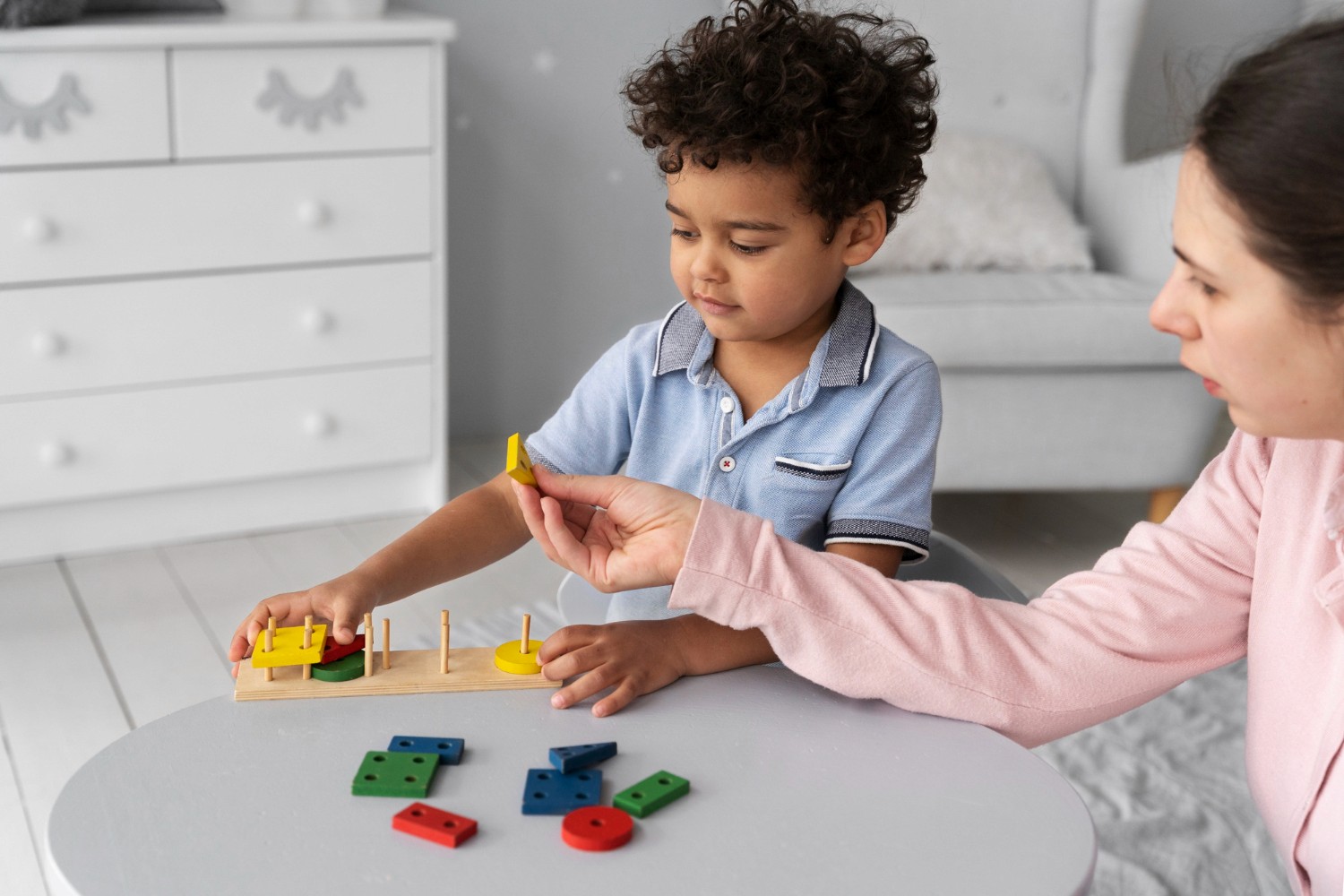
La terapia ABA en casa ocurre en un entorno familiar, lo que puede ser menos abrumador para los niños que tienen dificultades con espacios grandes y desconocidos. Este "espacio seguro" puede facilitar la transición a la terapia y reducir las distracciones, permitiendo un enfoque más centrado en el desarrollo de habilidades.
2. Perspectiva sobre las rutinas diarias:
Los terapeutas obtienen una comprensión más profunda de las rutinas diarias y la dinámica de su familia al trabajar dentro de su hogar. Esta información les ayuda a crear metas y estrategias personalizadas directamente relevantes para la vida cotidiana de su hijo.


3. Aplicación de habilidades en la vida real:
La terapia en el hogar permite la capacitación en un entorno natural, abordando habilidades como el autocuidado, las comidas familiares y las rutinas de sueño en los lugares reales donde ocurren. Este enfoque mejora las habilidades de generalización del niño y promueve un aprendizaje más rápido y práctico.
4. Abordar comportamientos específicos del hogar:
La terapia en casa puede abordar de manera efectiva comportamientos que se producen exclusivamente en el hogar, como la agresión o deambulación. Los terapeutas pueden identificar y gestionar mejor estos desafíos específicos al observar e intervenir en el entorno del hogar.

5. Fortalecidos los lazos familiares y entre hermanos:
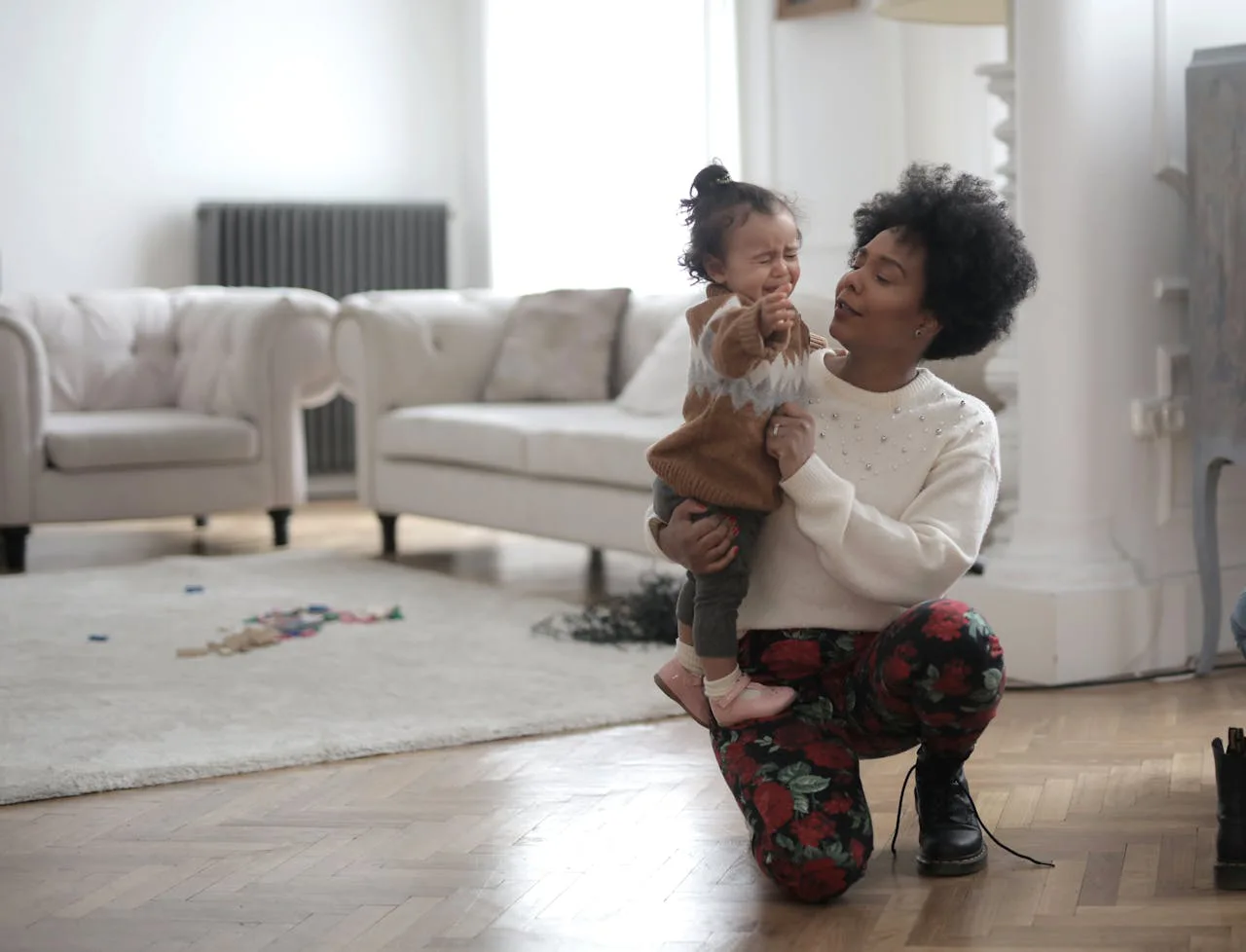
Con terapeutas trabajando directamente en su hogar, hay más oportunidades para integrar a los hermanos y miembros de la familia en el proceso de terapia. Esto puede fortalecer las interacciones familiares y mejorar las habilidades sociales a través del juego guiado entre pares y actividades compartidas.
6. Motivación mejorada a través de refuerzos familiares:
La terapia en el hogar permite utilizar espacios y objetos familiares como refuerzos, como el juego en el jardín o juguetes favoritos. Los terapeutas también pueden asesorar a los padres sobre cómo utilizar efectivamente estos motivadores, aumentando la participación y motivación de su hijo durante la terapia.
Morning Arrival
Your child is greeted warmly and transitions into their morning routine. They know what to expect, and the day starts with a familiar, comforting structure.

One-on-One Therapy
Your child works directly with their therapist on individualized goals—communication, play skills, following directions, managing emotions.

Small Group Activities
Children practice social skills during structured group time. They share, take turns, cooperate on projects, and build friendships.
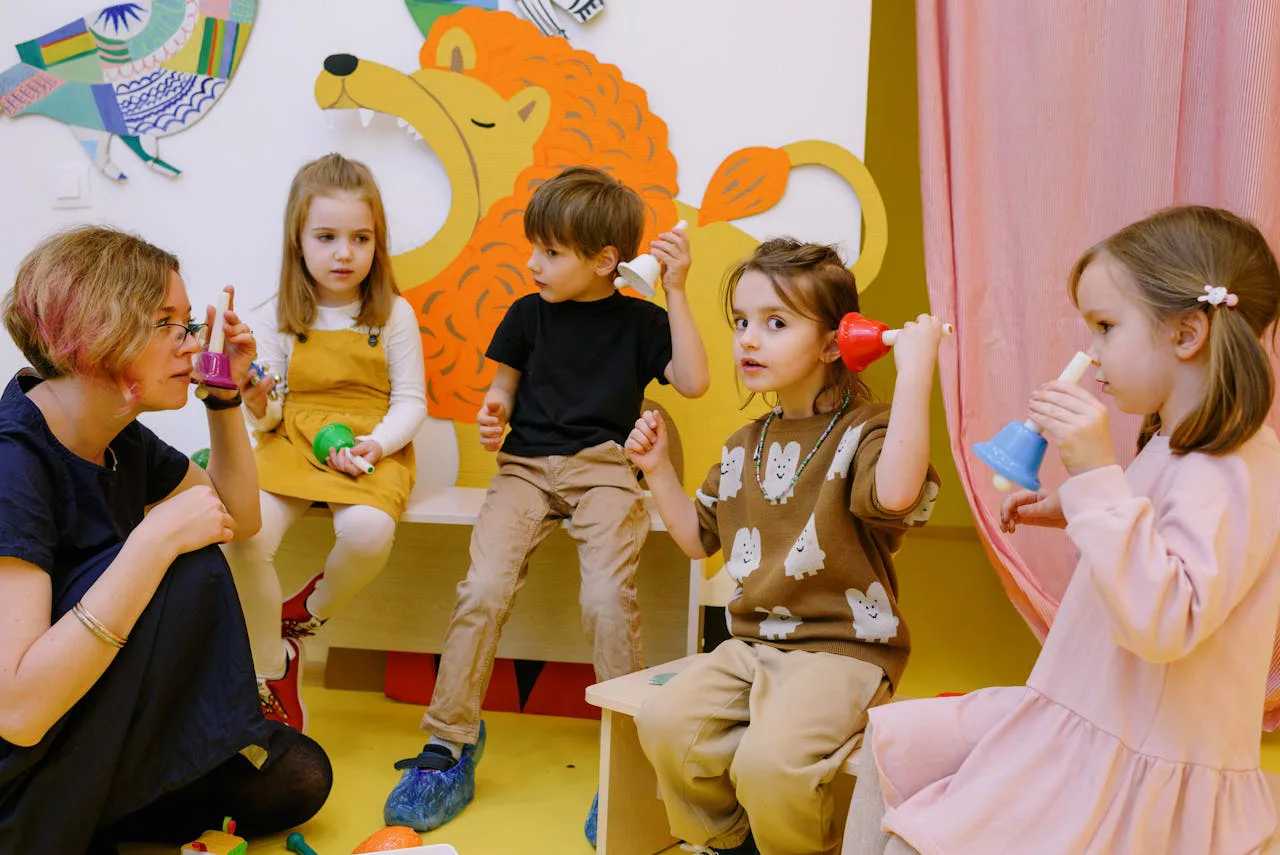
Play-Based Learning
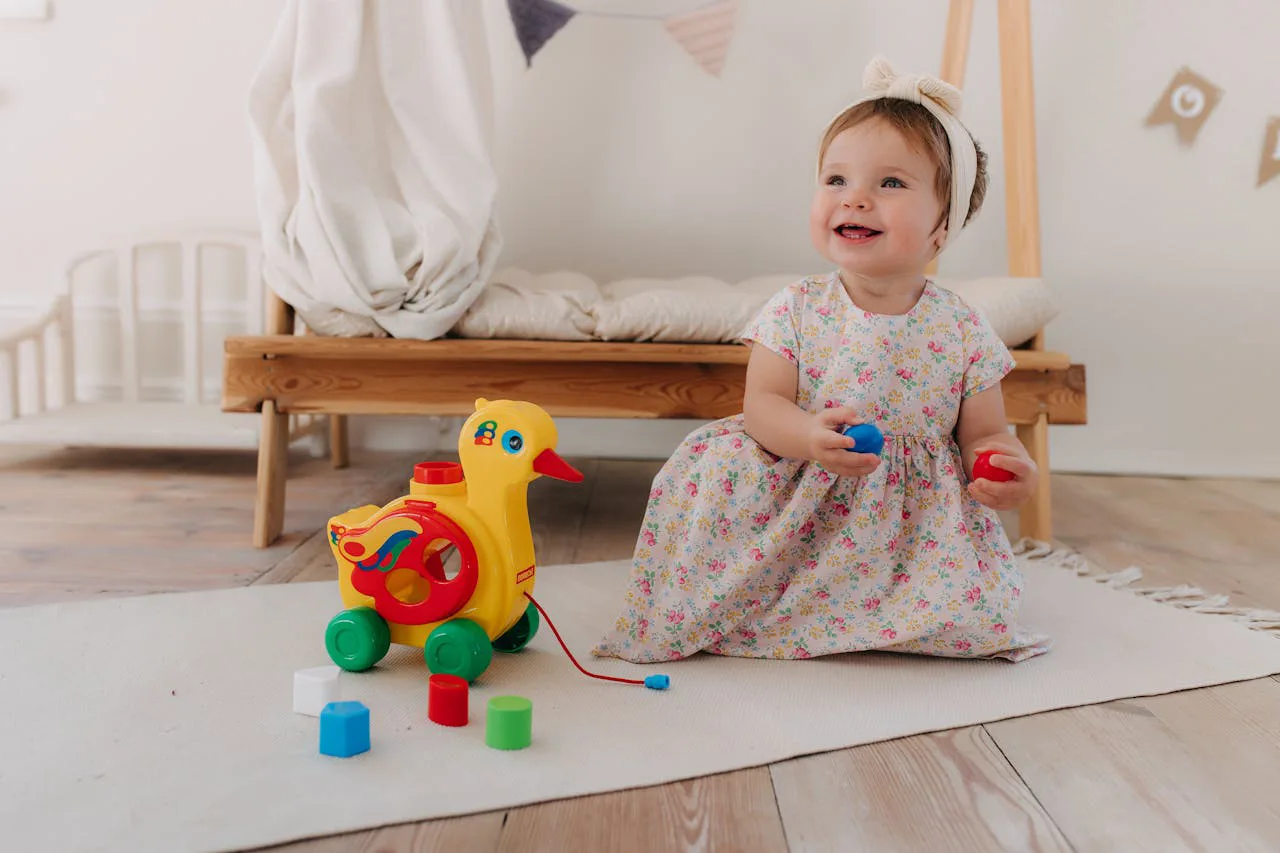
Therapy doesn't feel like work. Skills are taught through games, crafts, sensory activities, outdoor play, and movement.
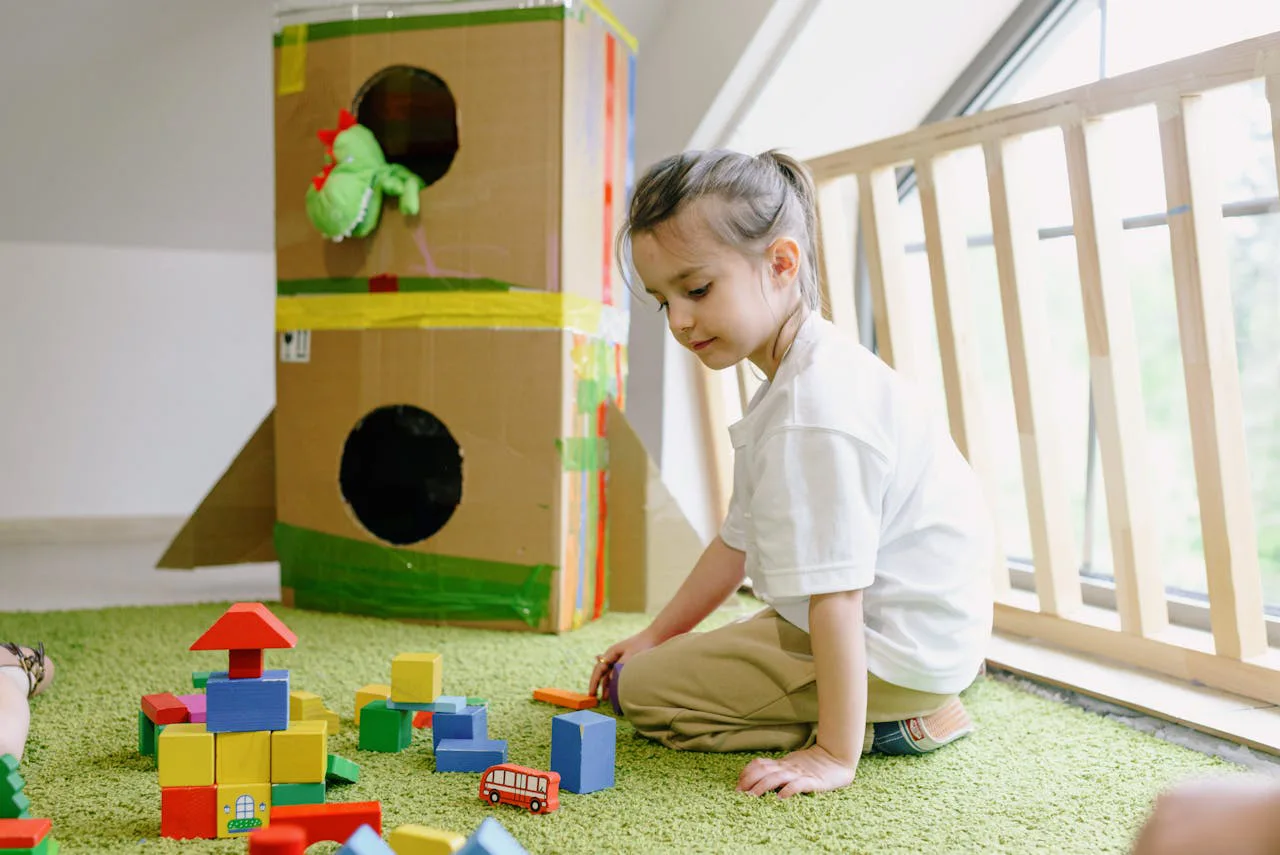
Snack and Mealtime Practice
Children practice using utensils, trying new foods, sitting at the table, and communicating needs during meals.

Sensory and Movement Breaks
Our sensory rooms and play spaces give children opportunities to regulate, reset, and recharge throughout the day.

Progress Updates for Parents
When you pick up your child, you'll hear about their day—what went well, what they worked on, and strategies you can use at home.

Our daughter wasn't using words at all when we started at the Peachtree Corners clinic. Three months later, she's using full sentences. She tells us what she wants, asks questions, and talks to her little brother. We can't believe the progress.

My son never played with other kids. He'd ignore them or walk away. After a few months at the Riverdale clinic, he started seeking out other children. Now he has a best friend at the clinic and asks when he gets to see him again.

Every transition used to be a battle—leaving the park, getting in the car, changing activities. The clinic taught him coping strategies and gave us tools to use at home. Now he handles changes without falling apart.

The skills my daughter learned at Blossom prepared her for school in ways I didn't expect. She knows how to sit during circle time, follow group instructions, and ask for help. Her teacher has no idea she struggled before.

01

Reach out to discuss your child's needs. We'll answer your questions, explain our programs, and help you choose the clinic that works best for your family.
02

Insurance & Benefits Verification
Our team verifies your insurance benefits and handles all authorization paperwork. We work with most major insurance providers in Georgia.
03

Comprehensive Assessment
A Board Certified Behavior Analyst meets your child, evaluates their strengths and challenges, and designs a personalized treatment plan.
04

Therapy Begins
Your child starts attending the clinic for structured sessions. They work one-on-one with therapists, participate in group activities, and build skills every day.
05

Parent Training and Support
You receive regular updates, learn strategies to use at home, and become an active partner in your child's progress.
06

Ongoing Progress Monitoring
We track your child's growth, adjust goals as they master skills, and celebrate milestones together.
3850 Holcomb Bridge Rd, Suite 185 Peachtree Corners, GA 30092
Serving families in Norcross, Berkeley Lake, Johns Creek, Duluth, and surrounding Gwinnett and North Fulton communities.
Riverdale Clinic
276 Medical Way Riverdale, GA 30274
Serving families in Riverdale, Jonesboro, Morrow, Forest Park, Stockbridge, Fayetteville, College Park, and nearby areas.
¿Qué es la Terapia ABA basada en el Centro?
¿La terapia ABA basada en clínicas está cubierta por el seguro?
¿Cuál es el rango de edad para la terapia ABA en su centro?
¿Cuánto dura una sesión de terapia típica en la clínica?
¿Cómo sé si la terapia ABA basada en el centro es adecuada para mi hijo?
How is center-based therapy different from in-home therapy?
What if my child has challenging behaviors?
Will my child work with the same therapist every day?
Do you provide parent training?
How do I know if my child is making progress?
Ayudando a niños con autismo a crecer y tener éxito con terapia ABA basada en el centro: contáctenos para comenzar.