ยกNuestra nueva clรญnica en Peachtree Corners ya estรก abierta! Atendiendo a familias en Norcross, Dunwoody, Sandy Springs, Duluth, Johns Creek, Alpharetta, Roswell, Suwanee, Brookhaven y รกreas cercanas.

ยกNuestra nueva clรญnica en Peachtree Corners ya estรก abierta! Atendiendo a familias en Norcross, Dunwoody, Sandy Springs, Duluth, Johns Creek, Alpharetta, Roswell, Suwanee, Brookhaven y รกreas cercanas.

ยกNuestra nueva clรญnica en Peachtree Corners ya estรก abierta! Atendiendo a familias en Norcross, Dunwoody, Sandy Springs, Duluth, Johns Creek, Alpharetta, Roswell, Suwanee, Brookhaven y รกreas cercanas.

Contact us today to get started!

the autism creature aka tbh creature or yippee creature

What Is the Autism Creature (aka TBH or Yippee Creature)?

the autism creature aka tbh creature or yippee creature

What Is the Autism Creature (aka TBH or Yippee Creature)?

Written By:

Written By:

Sarah A. Rebuelta

Board Certified Behavior Analyst

The Autism Creature, also known as TBH or Yippee, is an internet meme, not an official symbol, that some autistic people use online for identity and humor.

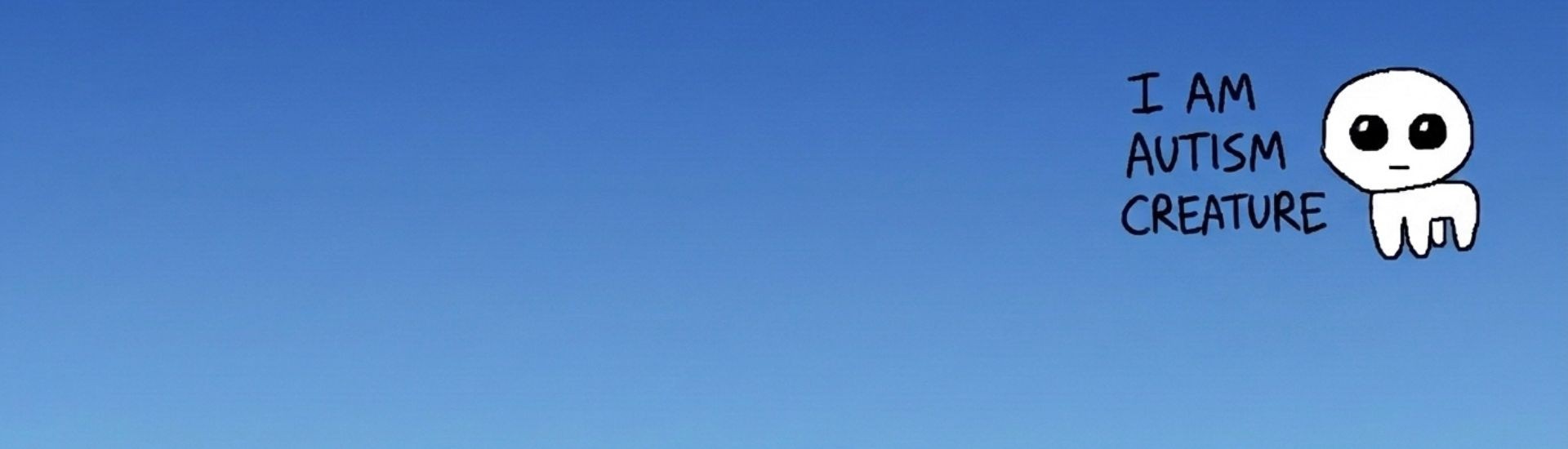
If you have scrolled through TikTok, Tumblr, or your teen's group chat lately, you may have met a small white blob with four stubby legs, an oversized head, and two enormous black eyes. Sometimes it is wearing headphones. Sometimes it is buried in confetti. Sometimes it just stares back at you. That is the autism creature, and it has quietly become one of the internet's most recognizable pieces of autistic humor.

Quick answer: The autism creature, also called the TBH creature or Yippee creature, is an internet meme: a simple MS Paint-style drawing of a white, four-legged character with a neutral face and big black eyes. It began as a reaction image in 2021 and was later adopted by autistic social media users. It is not an official autism symbol, and not everyone in the autistic community likes it.

This guide goes beyond the basics. You will learn where the TBH creature really came from, why people say "Yippee," how it compares to older autism symbols, and what to do if your child or student starts sharing it.

The Autism Creature at a Glance

  • Also known as: TBH creature, Yippee creature (sometimes spelled "yipee"), and jokingly the "autism cat" or "mascot of autism"

  • What it looks like: A white, four-legged creature with a large head, a neutral expression, and big black eyes

  • First seen: Twitter, January 2021

  • Went mainstream: Tumblr, early 2022

  • What "TBH" means: "To be honest"

  • Official autism symbol? No

  • What it means: It depends on who is posting it

Where Did the Autism Creature Come From?

Most explainers say the creature "started online in the early 2020s" and leave it there. The real timeline is more specific, and it shows how a throwaway doodle turned into a community in-joke.

The Original TBH Drawing

According to Know Your Meme's documentation, the earliest known version appeared when a Twitter user posted a meme on January 1, 2021, captioned "I'm playing Identity V, fancy a game?" The image showed the now-familiar blank-faced creature. It was based on an earlier drawing, made in or before December 2020, with the letters "tbh" beside it.

In other words, the creature was not designed as an autism symbol. It began as a reaction image: a deadpan little character you could drop into a conversation instead of typing a response.

How Tumblr Turned It Into the Autism Creature

The shift came about a year later. In January 2022, a Tumblr user reblogged a post calling the creature "like the spokesperson for autism," and that post gathered more than 12,700 notes in just a few months. The joke landed because many autistic users saw something familiar in the character's flat expression and wide, steady eyes.

From there, the nickname spread. Artists drew the creature in noise-canceling headphones, curled up in quiet rooms, or surrounded by favorite things. The name "autism creature" stuck, even though no organization or artist officially assigned it.

Why Is It Called the Yippee Creature?

The "Yippee" name comes from sound. Many videos pair the creature with confetti and an audio clip of a child shouting "yippee," taken from a viral video often called the "Fortnite Cola" or "German Cola Kid" clip. The combination of a blank face and an explosion of joy became its own format, and it's why many people now say Yippee creature instead of TBH creature.

Quick Timeline

  • Late 2020: The earliest known "tbh" creature drawing

  • January 1, 2021: First meme post on Twitter

  • January 2022: The Tumblr "spokesperson for autism" post takes off

  • After 2022: Yippee audio edits, fan art, and variations spread across platforms

Why Do Some Autistic People Connect With the TBH Creature?

No single answer exists, and no one speaks for the whole community. Still, a few themes keep coming up.

  • A face that doesn't perform: Many autistic people describe feeling pressure to match their expressions to social expectations. A face that never changes feels like a relief.

  • "To be honest" energy: The name TBH fits the idea of dropping the act and being direct.

  • Joy that doesn't need a big smile: Paired with the Yippee audio, the creature shows excitement without needing a matching expression.

  • Humor about everyday experiences: Fans draw it overwhelmed by noise, absorbed in a special interest, or recharging after a long day.

  • Belonging: Sharing the same meme can signal "me too" without a long explanation.

These are common interpretations, not facts about every autistic person. Autism is a spectrum, and tastes in memes vary just as much as everything else.

A Quick Look Back: Autism Symbols Through History

To understand why the creature matters, it helps to see what came before it.

  • 1963 (the puzzle piece): Gerald Gasson, a parent and board member of the UK's National Autistic Society, designed the puzzle piece emblem. It reflected how autism was viewed at the time: as a puzzling mystery.

  • 1999 (the awareness ribbon): The Autism Society of America introduced a ribbon made of puzzle pieces, which became widely used during April awareness campaigns.

  • Late 1990s (neurodiversity): Sociologist Judy Singer began using the term "neurodiversity," helping launch a movement that treats neurological differences as part of human variation.

  • 2010s onward (the rainbow infinity symbol): Many autistic self-advocates embraced the infinity loop as an alternative to the puzzle piece, arguing it better reflects the diversity of the spectrum.

  • Recent years (acceptance): Many organizations now frame April as Autism Acceptance Month rather than awareness alone.

Notice who designed each of these. Parents and organizations created the puzzle piece and ribbon. The autism creature is different: autistic people grew it from the ground up and shared it on social media without a committee or campaign. That helps explain why it feels personal to some, and why it will never speak for everyone.

Is the Autism Creature an Official Autism Symbol?

No. The creature is a meme, not a medical or organizational symbol.

  • Doctors, researchers, and advocacy groups did not create it.

  • It is not used in diagnosis, screening, or treatment.

  • No autism organization has adopted it as an official emblem.

  • Even among autistic people, there is no agreement on it.

Autism itself is a developmental condition that the CDC reports is identified in about 1 in 31 eight-year-olds in the United States. That is a lot of different people, with a lot of different experiences. One cartoon cannot capture them all, and it is not meant to.

Is the TBH Creature Offensive?

Opinions are genuinely mixed, and it helps to hear both sides.

Why some people like it:

  • It came from online communities, not a corporation or a charity campaign.

  • It makes autistic experiences easier to joke about and share.

  • It offers a positive, playful alternative to clinical imagery.

Why some people dislike it:

  • They feel it oversimplifies or infantilizes autistic adults.

  • They do not relate to its look or humor.

  • The word "creature" can feel dehumanizing to them.

  • It can be used by outsiders to mock rather than celebrate.

A simple rule of thumb: let autistic people decide how they want to use it. If you are not autistic, avoid using the creature to describe or label someone else, and never use it to make fun of autistic people. When in doubt, ask.

What Parents and Caregivers Can Do If Their Child Shares It

If your child, teen, or student posts the autism creature, it does not automatically mean something is wrong. It may just mean they found a funny way to say something. A few gentle ways to respond:

  • Get curious: Ask, "What does this mean to you?" Their answer may surprise you.

  • Don't over-read it: A meme is not a diagnosis or a cry for help.

  • Use it as an opening: If your child uses the creature to show they are overwhelmed or excited, that can start a conversation about feelings and needs.

  • Keep online spaces in view: Know which platforms they use and who they talk to, just as you would with any other community.

  • Listen first: The most helpful support starts with the person's own voice, preferences, and goals.

That last point is central to good therapy, too. Quality ABA therapy services are built around the individual child: their strengths, interests, and what matters to their family. Memes are a window into how some autistic people see themselves, but they are not a replacement for real, personalized support.

Autism Creature FAQs

What is the autism creature?

It is an internet meme: a simple drawing of a white, four-legged creature with a neutral face and big black eyes, adopted by many autistic social media users to share humor, feelings, and identity.

Is the TBH creature the same as the Yippee creature?

Yes. Both names describe the same character. "TBH" comes from the original drawing, while "Yippee" comes from the viral audio clip often paired with it.

What does TBH stand for?

TBH stands for "to be honest."

Who made the autism creature?

The earliest known meme post appeared on Twitter on January 1, 2021, based on a drawing made in or before December 2020, according to Know Your Meme. It was not created as an autism symbol; that meaning developed later through community use.

Why does the creature say "yippee"?

The sound comes from a viral clip of a child shouting "yippee," which creators began pairing with the creature and confetti.

Is the autism creature an official autism symbol?

No. It is an informal, community-created meme, and no medical or advocacy organization has adopted it as an emblem.

Does every autistic person like it?

No. Some love it, some are indifferent, and some dislike it. Preferences are personal.

Final Thoughts

The autism creature is a small drawing with a surprisingly big story. It began as a throwaway reaction image, grew into a shared joke among autistic internet users, and now sits somewhere between meme, mascot, and conversation starter. It is not an official symbol, and it does not speak for everyone, but for many people it is a playful way to say, "this is how I feel."

If you want to understand the autistic people in your life, listening matters more than any meme. And if you are looking for guidance on supporting your child's growth, our team at Blossom ABA Therapy is always happy to talk through your questions.

If you have scrolled through TikTok, Tumblr, or your teen's group chat lately, you may have met a small white blob with four stubby legs, an oversized head, and two enormous black eyes. Sometimes it is wearing headphones. Sometimes it is buried in confetti. Sometimes it just stares back at you. That is the autism creature, and it has quietly become one of the internet's most recognizable pieces of autistic humor.

Quick answer: The autism creature, also called the TBH creature or Yippee creature, is an internet meme: a simple MS Paint-style drawing of a white, four-legged character with a neutral face and big black eyes. It began as a reaction image in 2021 and was later adopted by autistic social media users. It is not an official autism symbol, and not everyone in the autistic community likes it.

This guide goes beyond the basics. You will learn where the TBH creature really came from, why people say "Yippee," how it compares to older autism symbols, and what to do if your child or student starts sharing it.

The Autism Creature at a Glance

  • Also known as: TBH creature, Yippee creature (sometimes spelled "yipee"), and jokingly the "autism cat" or "mascot of autism"

  • What it looks like: A white, four-legged creature with a large head, a neutral expression, and big black eyes

  • First seen: Twitter, January 2021

  • Went mainstream: Tumblr, early 2022

  • What "TBH" means: "To be honest"

  • Official autism symbol? No

  • What it means: It depends on who is posting it

Where Did the Autism Creature Come From?

Most explainers say the creature "started online in the early 2020s" and leave it there. The real timeline is more specific, and it shows how a throwaway doodle turned into a community in-joke.

The Original TBH Drawing

According to Know Your Meme's documentation, the earliest known version appeared when a Twitter user posted a meme on January 1, 2021, captioned "I'm playing Identity V, fancy a game?" The image showed the now-familiar blank-faced creature. It was based on an earlier drawing, made in or before December 2020, with the letters "tbh" beside it.

In other words, the creature was not designed as an autism symbol. It began as a reaction image: a deadpan little character you could drop into a conversation instead of typing a response.

How Tumblr Turned It Into the Autism Creature

The shift came about a year later. In January 2022, a Tumblr user reblogged a post calling the creature "like the spokesperson for autism," and that post gathered more than 12,700 notes in just a few months. The joke landed because many autistic users saw something familiar in the character's flat expression and wide, steady eyes.

From there, the nickname spread. Artists drew the creature in noise-canceling headphones, curled up in quiet rooms, or surrounded by favorite things. The name "autism creature" stuck, even though no organization or artist officially assigned it.

Why Is It Called the Yippee Creature?

The "Yippee" name comes from sound. Many videos pair the creature with confetti and an audio clip of a child shouting "yippee," taken from a viral video often called the "Fortnite Cola" or "German Cola Kid" clip. The combination of a blank face and an explosion of joy became its own format, and it's why many people now say Yippee creature instead of TBH creature.

Quick Timeline

  • Late 2020: The earliest known "tbh" creature drawing

  • January 1, 2021: First meme post on Twitter

  • January 2022: The Tumblr "spokesperson for autism" post takes off

  • After 2022: Yippee audio edits, fan art, and variations spread across platforms

Why Do Some Autistic People Connect With the TBH Creature?

No single answer exists, and no one speaks for the whole community. Still, a few themes keep coming up.

  • A face that doesn't perform: Many autistic people describe feeling pressure to match their expressions to social expectations. A face that never changes feels like a relief.

  • "To be honest" energy: The name TBH fits the idea of dropping the act and being direct.

  • Joy that doesn't need a big smile: Paired with the Yippee audio, the creature shows excitement without needing a matching expression.

  • Humor about everyday experiences: Fans draw it overwhelmed by noise, absorbed in a special interest, or recharging after a long day.

  • Belonging: Sharing the same meme can signal "me too" without a long explanation.

These are common interpretations, not facts about every autistic person. Autism is a spectrum, and tastes in memes vary just as much as everything else.

A Quick Look Back: Autism Symbols Through History

To understand why the creature matters, it helps to see what came before it.

  • 1963 (the puzzle piece): Gerald Gasson, a parent and board member of the UK's National Autistic Society, designed the puzzle piece emblem. It reflected how autism was viewed at the time: as a puzzling mystery.

  • 1999 (the awareness ribbon): The Autism Society of America introduced a ribbon made of puzzle pieces, which became widely used during April awareness campaigns.

  • Late 1990s (neurodiversity): Sociologist Judy Singer began using the term "neurodiversity," helping launch a movement that treats neurological differences as part of human variation.

  • 2010s onward (the rainbow infinity symbol): Many autistic self-advocates embraced the infinity loop as an alternative to the puzzle piece, arguing it better reflects the diversity of the spectrum.

  • Recent years (acceptance): Many organizations now frame April as Autism Acceptance Month rather than awareness alone.

Notice who designed each of these. Parents and organizations created the puzzle piece and ribbon. The autism creature is different: autistic people grew it from the ground up and shared it on social media without a committee or campaign. That helps explain why it feels personal to some, and why it will never speak for everyone.

Is the Autism Creature an Official Autism Symbol?

No. The creature is a meme, not a medical or organizational symbol.

  • Doctors, researchers, and advocacy groups did not create it.

  • It is not used in diagnosis, screening, or treatment.

  • No autism organization has adopted it as an official emblem.

  • Even among autistic people, there is no agreement on it.

Autism itself is a developmental condition that the CDC reports is identified in about 1 in 31 eight-year-olds in the United States. That is a lot of different people, with a lot of different experiences. One cartoon cannot capture them all, and it is not meant to.

Is the TBH Creature Offensive?

Opinions are genuinely mixed, and it helps to hear both sides.

Why some people like it:

  • It came from online communities, not a corporation or a charity campaign.

  • It makes autistic experiences easier to joke about and share.

  • It offers a positive, playful alternative to clinical imagery.

Why some people dislike it:

  • They feel it oversimplifies or infantilizes autistic adults.

  • They do not relate to its look or humor.

  • The word "creature" can feel dehumanizing to them.

  • It can be used by outsiders to mock rather than celebrate.

A simple rule of thumb: let autistic people decide how they want to use it. If you are not autistic, avoid using the creature to describe or label someone else, and never use it to make fun of autistic people. When in doubt, ask.

What Parents and Caregivers Can Do If Their Child Shares It

If your child, teen, or student posts the autism creature, it does not automatically mean something is wrong. It may just mean they found a funny way to say something. A few gentle ways to respond:

  • Get curious: Ask, "What does this mean to you?" Their answer may surprise you.

  • Don't over-read it: A meme is not a diagnosis or a cry for help.

  • Use it as an opening: If your child uses the creature to show they are overwhelmed or excited, that can start a conversation about feelings and needs.

  • Keep online spaces in view: Know which platforms they use and who they talk to, just as you would with any other community.

  • Listen first: The most helpful support starts with the person's own voice, preferences, and goals.

That last point is central to good therapy, too. Quality ABA therapy services are built around the individual child: their strengths, interests, and what matters to their family. Memes are a window into how some autistic people see themselves, but they are not a replacement for real, personalized support.

Autism Creature FAQs

What is the autism creature?

It is an internet meme: a simple drawing of a white, four-legged creature with a neutral face and big black eyes, adopted by many autistic social media users to share humor, feelings, and identity.

Is the TBH creature the same as the Yippee creature?

Yes. Both names describe the same character. "TBH" comes from the original drawing, while "Yippee" comes from the viral audio clip often paired with it.

What does TBH stand for?

TBH stands for "to be honest."

Who made the autism creature?

The earliest known meme post appeared on Twitter on January 1, 2021, based on a drawing made in or before December 2020, according to Know Your Meme. It was not created as an autism symbol; that meaning developed later through community use.

Why does the creature say "yippee"?

The sound comes from a viral clip of a child shouting "yippee," which creators began pairing with the creature and confetti.

Is the autism creature an official autism symbol?

No. It is an informal, community-created meme, and no medical or advocacy organization has adopted it as an emblem.

Does every autistic person like it?

No. Some love it, some are indifferent, and some dislike it. Preferences are personal.

Final Thoughts

The autism creature is a small drawing with a surprisingly big story. It began as a throwaway reaction image, grew into a shared joke among autistic internet users, and now sits somewhere between meme, mascot, and conversation starter. It is not an official symbol, and it does not speak for everyone, but for many people it is a playful way to say, "this is how I feel."

If you want to understand the autistic people in your life, listening matters more than any meme. And if you are looking for guidance on supporting your child's growth, our team at Blossom ABA Therapy is always happy to talk through your questions.

ยฟBuscas apoyo?
ยกEstamos aquรญ para ayudar!

Nuestros profesionales dedicados se especializan en terapia ABA para fomentar el crecimiento y la felicidad de su hijo. Estamos aquรญ para proporcionar la atenciรณn y el cuidado personalizado que su hijo merece. Pรณngase en contacto para conocer cรณmo podemos apoyar el viaje de su familia.

Conรฉctate con nuestros expertos en ABA hoy.

ยฟTE APASIONA AYUDAR A LOS NIร‘OS?

ยฟTE APASIONA AYUDAR A LOS NIร‘OS?

รšnete a nuestro equipo

รšnete a nuestro equipo

รšnete a nuestro equipo

Blossom Therapy busca constantemente BCBAs y RBTs calificados para ocupar puestos a tiempo completo y parcial.

Blossom Therapy busca constantemente BCBAs y RBTs calificados para ocupar puestos a tiempo completo y parcial.

TERAPIA ABA

TERAPIA ABA

TERAPIA ABA

Obtรฉn terapia ABA para tu hijo

Obtรฉn terapia ABA para tu hijo

Obtรฉn terapia ABA para tu hijo

Empoderando el Progreso: Navegando la Terapia ABA para el Desarrollo de Su Hijo