


Parent-teacher-therapist partnership
Everyone who supports your child is on the same team, using the same strategies, working toward the same goals.

Who daycare therapy helps
Young children (ages 2–5) in preschool or early learning centers who need support with social skills and group participation.
Children struggling with peer interaction who avoid playing with classmates or have difficulty making friends.
Kids who need help with transitions between activities, arrivals, departures, or unexpected changes.
Children with communication challenges who need support expressing needs, asking for help, or participating in group discussions.
Families wanting therapist collaboration with teachers so everyone is using the same strategies.
Parents who can’t fit clinic or home therapy into their schedule because their child is at daycare most of the day.
Daycare therapy vs other therapy settings
In-home therapy
In-home focuses on family routines and home skills. Daycare therapy focuses on peer interaction and group participation. Many families do both.
Clinic-based therapy
Clinic is structured and controlled. Daycare is real—messy, unpredictable, full of other kids. Your child learns to handle real social situations.
School-based therapy
School therapy focuses on academic skills and classroom behavior. Daycare therapy focuses on play, social skills, and early learning routines.
Step 1: Schedule a consultation
We talk about your child’s daycare, their challenges, and what you want them to work on.

Step 2: Coordinate with daycare
We contact your child’s daycare center, meet with teachers, and understand the classroom environment and routines.

Step 3: Build a plan
Your BCBA designs a treatment plan focused on skills your child needs to succeed in their daycare setting with their peers.
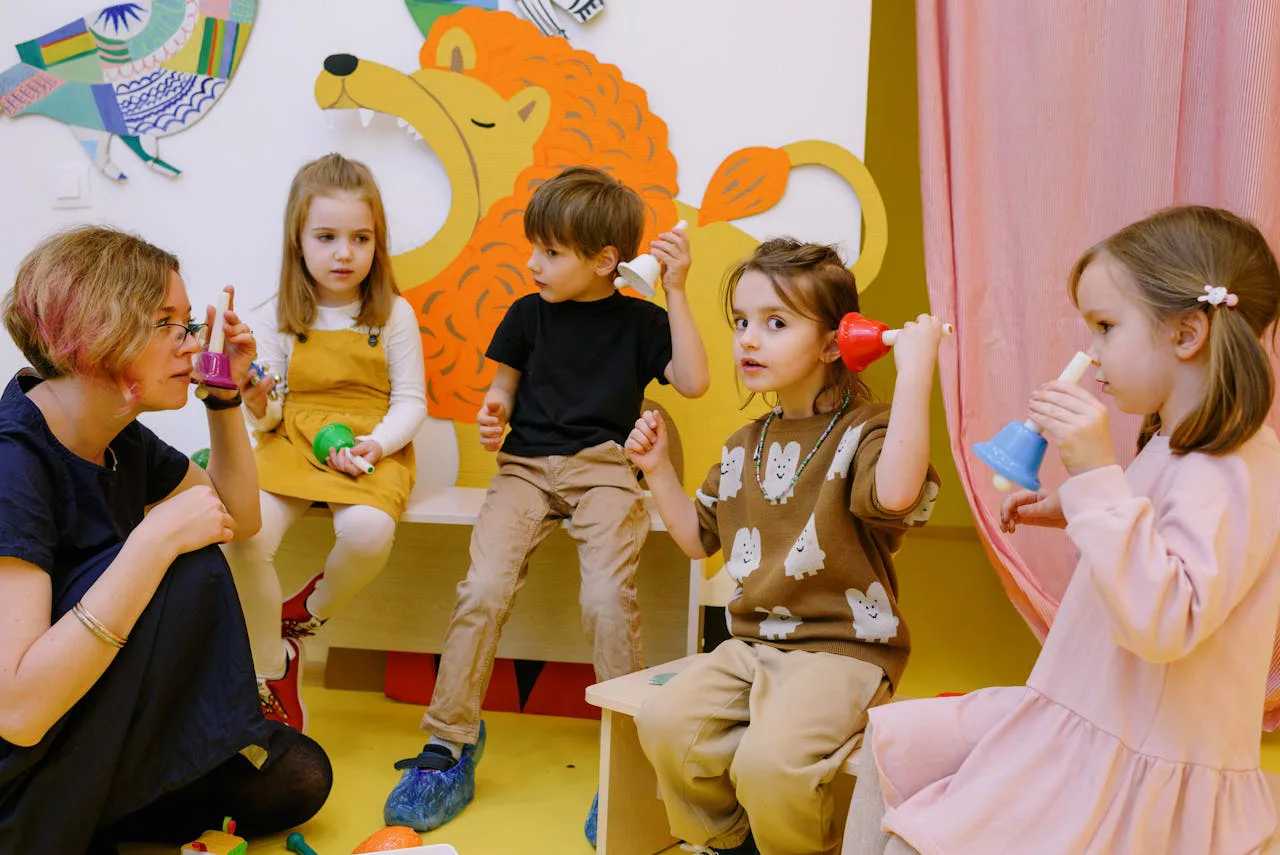
Step 4: Therapy in the classroom
Our therapist works in your child’s classroom during natural activities. Teachers learn strategies alongside us.

Step 5: Progress tracking
Your BCBA tracks progress, adjusts goals, and keeps you and the daycare staff informed every step of the way.

Resources for your child’s Daycare Experience
Your child spends most of their day at daycare. Here are autism-friendly daycare centers and early learning programs across Georgia, Tennessee, North Carolina, Virginia, and Maryland.
Partner daycare field trips with sensory-friendly hours. Your child explores, practices transitions, and engages in group activities in a modified environment.
Preschool field trip programs. Your child engages in hands-on learning with their daycare classroom.
Early learner programs and daycare partnerships. Your child practices skills in group outings with their peers.
Sensory-friendly programming for early learners. Your child explores alongside peers in a supportive environment.
For a full breakdown of Medicaid coverage, waivers, and school programs in each of these states, see our guide to autism benefits by state.
Will therapy disrupt my child’s daycare routine?
What if the daycare center is hesitant about having a therapist in the classroom?
How often does my child need daycare therapy?
Does insurance cover daycare ABA therapy?
Can we do daycare therapy and home therapy together?
What happens if my child changes daycares?
Start daycare ABA therapy
Give your child the peer relationships they deserve
Daycare ABA therapy means your child learns alongside their classmates, with teachers who understand their needs, in the place where they spend most of their time.
Daycare ABA therapy brings support directly into your child's early learning center. Skills are taught during their everyday daycare moments, in their familiar setting - advancing them so much further.