Our Riverdale, Georgia Clinic is Now Open! Serving families in Riverdale, Jonesboro, Morrow, Forest Park, Stockbridge, Fayetteville, College Park & nearby areas. Contact us today to get started!

Our Riverdale, Georgia Clinic is Now Open! Serving families in Riverdale, Jonesboro, Morrow, Forest Park, Stockbridge, Fayetteville, College Park & nearby areas. Contact us today to get started!

Our Riverdale, Georgia Clinic is Now Open! Contact us today to get started!

Parents kissing their autistic daughter on the cheeks during her birthday celebration in Tennessee.

Are Autistic Kids Very Attached to Their Parents?

Parents kissing their autistic daughter on the cheeks during her birthday celebration in Tennessee.

Are Autistic Kids Very Attached to Their Parents?

Written By:

Written By:

Sarah A. Rebuelta

Board Certified Behavior Analyst

Your autistic child may show love in ways you've been taught not to recognize. Why attachment in autism is so often misread — by parents, and sometimes by the research itself.

Yes, many autistic children are very attached to their parents, though the way they show it may look different from what people expect. Autism affects communication and social interaction, so expressions of love and attachment can sometimes be subtle or nontraditional.

For example, instead of saying “I love you,” a child might demonstrate attachment by seeking comfort from a parent, following routines with them, or wanting to spend time together in predictable ways. Some children may appear less expressive, but this doesn’t mean they lack strong emotional bonds—it simply means they connect differently.

It’s also common for autistic children to rely heavily on parents for security, routine, and regulation. Parents often become their safe space, especially when the outside world feels overwhelming. With patience, understanding, and supportive strategies, those attachments can grow stronger and more meaningful.

The key is recognizing and appreciating the unique ways autistic children show love and connection. Every child’s attachment style is different, but the bond between parent and child is just as deep and important.

The Bond That's Easy to Miss

Many parents arrive at this question carrying a specific worry: their child doesn't come running at the door, doesn't reach up to be held, doesn't do the things we're all taught to read as "my child loves me." It's a quietly painful thing to wonder about. And it's usually a misread.

Attachment in autistic children often shows up sideways. A child who isn't demonstrative at reunion may still bring you a favorite object, settle only when you're in the room, insist on a bedtime routine that includes you specifically, or regulate from overwhelm faster in your presence than anyone else's. Those are attachment behaviors — they're just not the textbook ones, so they're easy to overlook when you're watching for a hug that comes differently.

Here's the part most parents never hear: the research misread this too, for years. The classic tools for measuring attachment were built around neurotypical reunion behavior — the running, the reaching — so when they were applied to autistic children, they often under-counted attachments that were genuinely there. Newer work, designed with autistic expression in mind, finds these children form deep, secure bonds; the earlier "evidence" of weaker attachment was partly the measuring stick, not the child.

The practical shift is the same one that helps with everything else: stop scoring attachment against behaviors your child may not use, and start noticing the ones they do. Who do they seek when the world gets loud? Whose routine can't be skipped? That's where the bond is.

Need support strengthening your child’s skills?

At Blossom ABA Therapy, we provide personalized ABA therapy in Georgia, Tennessee, and Virginia to help children with autism thrive while supporting families every step of the way.

Contact us today to learn more about our services.

SOURCES:

https://www.autismparentingmagazine.com/overly-affectionate-autistic-child/

https://www.attachmentproject.com/blog/autism-and-attachment/

https://pmc.ncbi.nlm.nih.gov/articles/PMC2247444/

https://www.thetransmitter.org/spectrum/infants-interactions-with-parents-may-predict-autism/

https://www.sciencedirect.com/science/article/pii/S0010440X18301925
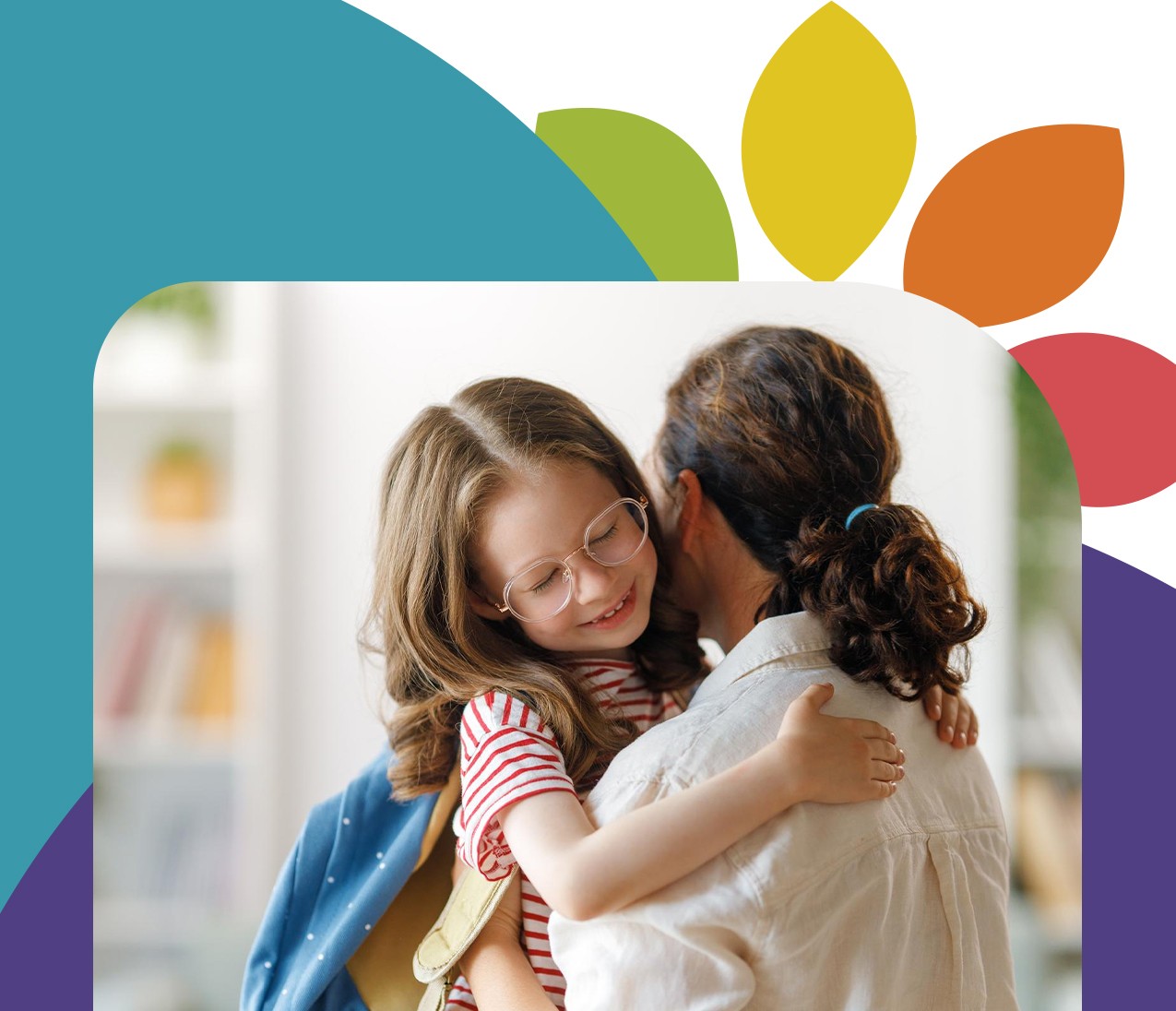
Yes, many autistic children are very attached to their parents, though the way they show it may look different from what people expect. Autism affects communication and social interaction, so expressions of love and attachment can sometimes be subtle or nontraditional.

For example, instead of saying “I love you,” a child might demonstrate attachment by seeking comfort from a parent, following routines with them, or wanting to spend time together in predictable ways. Some children may appear less expressive, but this doesn’t mean they lack strong emotional bonds—it simply means they connect differently.

It’s also common for autistic children to rely heavily on parents for security, routine, and regulation. Parents often become their safe space, especially when the outside world feels overwhelming. With patience, understanding, and supportive strategies, those attachments can grow stronger and more meaningful.

The key is recognizing and appreciating the unique ways autistic children show love and connection. Every child’s attachment style is different, but the bond between parent and child is just as deep and important.

The Bond That's Easy to Miss

Many parents arrive at this question carrying a specific worry: their child doesn't come running at the door, doesn't reach up to be held, doesn't do the things we're all taught to read as "my child loves me." It's a quietly painful thing to wonder about. And it's usually a misread.

Attachment in autistic children often shows up sideways. A child who isn't demonstrative at reunion may still bring you a favorite object, settle only when you're in the room, insist on a bedtime routine that includes you specifically, or regulate from overwhelm faster in your presence than anyone else's. Those are attachment behaviors — they're just not the textbook ones, so they're easy to overlook when you're watching for a hug that comes differently.

Here's the part most parents never hear: the research misread this too, for years. The classic tools for measuring attachment were built around neurotypical reunion behavior — the running, the reaching — so when they were applied to autistic children, they often under-counted attachments that were genuinely there. Newer work, designed with autistic expression in mind, finds these children form deep, secure bonds; the earlier "evidence" of weaker attachment was partly the measuring stick, not the child.

The practical shift is the same one that helps with everything else: stop scoring attachment against behaviors your child may not use, and start noticing the ones they do. Who do they seek when the world gets loud? Whose routine can't be skipped? That's where the bond is.

Need support strengthening your child’s skills?

At Blossom ABA Therapy, we provide personalized ABA therapy in Georgia, Tennessee, and Virginia to help children with autism thrive while supporting families every step of the way.

Contact us today to learn more about our services.

SOURCES:

https://www.autismparentingmagazine.com/overly-affectionate-autistic-child/

https://www.attachmentproject.com/blog/autism-and-attachment/

https://pmc.ncbi.nlm.nih.gov/articles/PMC2247444/

https://www.thetransmitter.org/spectrum/infants-interactions-with-parents-may-predict-autism/

https://www.sciencedirect.com/science/article/pii/S0010440X18301925

Seeking Support?
We're Here to Help!

Our dedicated professionals specialize in ABA therapy to foster your child's growth and happiness. We're here to provide the personalized care and attention your child deserves. Reach out to learn how we can support your family's journey.

Connect With Our ABA Experts Today.

ARE YOU PASSIONATE ABOUT HELPING CHILDREN

ARE YOU PASSIONATE ABOUT HELPING CHILDREN

Join Our Team

Join Our Team

Join Our Team

Blossom Therapy constantly seeks qualified BCBAs and RBTs to fill full and part-time positions.

Blossom Therapy constantly seeks qualified BCBAs and RBTs to fill full and part-time positions.

ABA THERAPY

ABA THERAPY

ABA THERAPY

Get ABA Therapy for your child

Get ABA Therapy for your child

Get ABA Therapy for your child

Empowering Progress: Navigating ABA Therapy for Your Child's Development