Our Riverdale, Georgia Clinic is Now Open! Serving families in Riverdale, Jonesboro, Morrow, Forest Park, Stockbridge, Fayetteville, College Park & nearby areas. Contact us today to get started!

Our Riverdale, Georgia Clinic is Now Open! Serving families in Riverdale, Jonesboro, Morrow, Forest Park, Stockbridge, Fayetteville, College Park & nearby areas. Contact us today to get started!

Our Riverdale, Georgia Clinic is Now Open! Contact us today to get started!

A stressed mother talks to a child, covering his ears at a table, conveying tension.

What Happens When You Yell at an Autistic Child? Effects & Safer Solutions

A stressed mother talks to a child, covering his ears at a table, conveying tension.

What Happens When You Yell at an Autistic Child? Effects & Safer Solutions

Written By:

Written By:

Sarah A. Rebuelta

Board Certified Behavior Analyst

Yelled at your autistic child and felt awful after? You’re not alone. Here’s what yelling actually does — and gentle, practical ways to reset and respond more calmly.

<script type="application/ld+json"> { "@context": "https://schema.org", "@type": "FAQPage", "mainEntity": [ { "@type": "Question", "name": "What happens in an autistic child's body when you yell?", "acceptedAnswer": { "@type": "Answer", "text": "Yelling is processed as a threat, triggering the fight-or-flight response and a spike in stress hormones like cortisol. Because many autistic children already run at a higher baseline stress level, the same volume can tip them into a meltdown or shutdown far faster than it would a neurotypical child." } }, { "@type": "Question", "name": "Does yelling ever improve an autistic child's behavior?", "acceptedAnswer": { "@type": "Answer", "text": "Research consistently shows the opposite. Frequent yelling is linked to more aggression, withdrawal, and emotional difficulty over time — not less. It also erodes trust and communication, which makes future cooperation harder." } }, { "@type": "Question", "name": "What should I do instead of yelling?", "acceptedAnswer": { "@type": "Answer", "text": "Lower your voice, reduce sensory input, and give the child time and space to regulate before problem-solving. Calm, predictable routines and proactive support strategies — the core of ABA therapy — reduce the behaviors that lead to yelling in the first place." } }, { "@type": "Question", "name": "Is yelling considered emotional abuse?", "acceptedAnswer": { "@type": "Answer", "text": "Occasional raised voices are not abuse, but studies show chronic yelling can have effects on children similar to other forms of maltreatment, raising the risk of anxiety, depression, and low self-esteem. For autistic children, who may not understand why they're being yelled at, the impact can be amplified." } } ] } </script>

If you have yelled at your autistic child and felt terrible afterward, you are not a bad parent — you are a tired one having a human moment. Almost every parent reaches that point. Understanding what yelling does, and why it lands so hard for autistic kids, isn’t about guilt. It is about finding calmer tools that actually work for both of you.raises their stress, can worsen behaviors, and may harm their emotional well-being.

First, a Word for the Worried Parent

If you searched this at 11pm after a hard day, take a breath — noticing the effect of yelling is already a sign you care deeply. Here is what’s worth knowing without the shame: for an autistic child, a raised voice is often processed as a sensory and safety threat rather than a discipline signal, so their body can shift into fight-or-flight before the words even register. That’s why yelling tends to escalate a moment instead of settling it — not because your child is defiant, and not because you failed. The good news is that the calmer approaches below are learnable, and they get easier with practice.

What Happens When You Yell at an Autistic Child? Key Effects

  • Increased Stress: Autistic children already experience higher stress. Yelling adds to this, making it harder for them to cope.


  • Emotional Harm: Yelling can lead to depression, anxiety, and lower self-esteem. Studies show verbal abuse, including yelling, is linked to long-term mental health problems.


  • Worsened Behavior: Instead of improving, behaviors often get worse. Aggression, withdrawal, or more meltdowns can result from frequent yelling.


  • Breakdown in Communication: Autistic children may not understand why they’re being yelled at, leading to confusion and less trust.

At Blossom ABA Therapy, we see that calm, supportive approaches work best. Research shows that yelling at a child can cause more harm than good. It is associated with emotional and behavioral difficulties and behavioral problems. It raises the risk of depression, anxiety, and behavioral issues. In one study, children exposed to frequent yelling showed more aggression and emotional struggles.

Understanding what happens when you yell at an autistic child is the first step. Ready for better solutions? Contact Blossom ABA Therapy—let’s build calm, positive routines together!

Frequently Asked Questions

What happens in an autistic child’s body when you yell?

Yelling is processed as a threat, triggering the fight-or-flight response and a spike in stress hormones like cortisol. Because many autistic children already run at a higher baseline stress level, the same volume can tip them into a meltdown or shutdown far faster than it would a neurotypical child.

Does yelling ever improve an autistic child’s behaviour?

Research consistently shows the opposite. Frequent yelling is linked to more aggression, withdrawal, and emotional difficulty over time — not less. It also erodes trust and communication, which makes future cooperation harder.

What should I do instead of yelling?

Lower your voice, reduce sensory input, and give the child time and space to regulate before problem-solving. Calm, predictable routines and proactive support strategies — the core of ABA therapy — reduce the behaviours that lead to yelling in the first place.

Is yelling considered emotional abuse?

Occasional raised voices are not abuse, but studies show chronic yelling can affect children similarly to other forms of maltreatment, raising the risk of anxiety, depression, and low self-esteem. For autistic children, who may not understand why they are being yelled at, the impact can be amplified.

Sources:

  1. https://www.medicinenet.com/can_yelling_at_a_child_be_harmful/article.htm

  2. https://www.fox6now.com/news/yelling-at-kids-could-cause-long-term-harm-their-psyches-study

  3. https://www.theautismdad.com/2013/01/24/do-you-ever-catch-yourself-yelling-at-your-autistic-child/

  4. https://www.reddit.com/r/Autism_Parenting/comments/1fxsnho/i_got_shouted_at_because_my_autistic_child_was/

  5. https://www.cbsnews.com/texas/news/study-yelling-physical-abuse-have-similar-effects-on-children/

  6. https://www.foxnews.com/health/yelling-kids-could-cause-long-term-harm-psyches-study-hidden-problem

  7. https://raisingchildren.net.au/autism/behaviour/common-concerns/aggressive-behaviour-asd

  8. https://www.autismparentingmagazine.com/autistic-children-violent/

  9. https://www.simplypsychology.org/are-autistic-emotional-outbursts-misunderstood-as-bad-behavior.html

  10. https://raisingchildren.net.au/autism/behaviour/common-concerns/meltdowns-autistic-children-teenagers

  11. https://www.autism360.com/10-strategies-to-handle-violent-autistic-behavior-in-children/
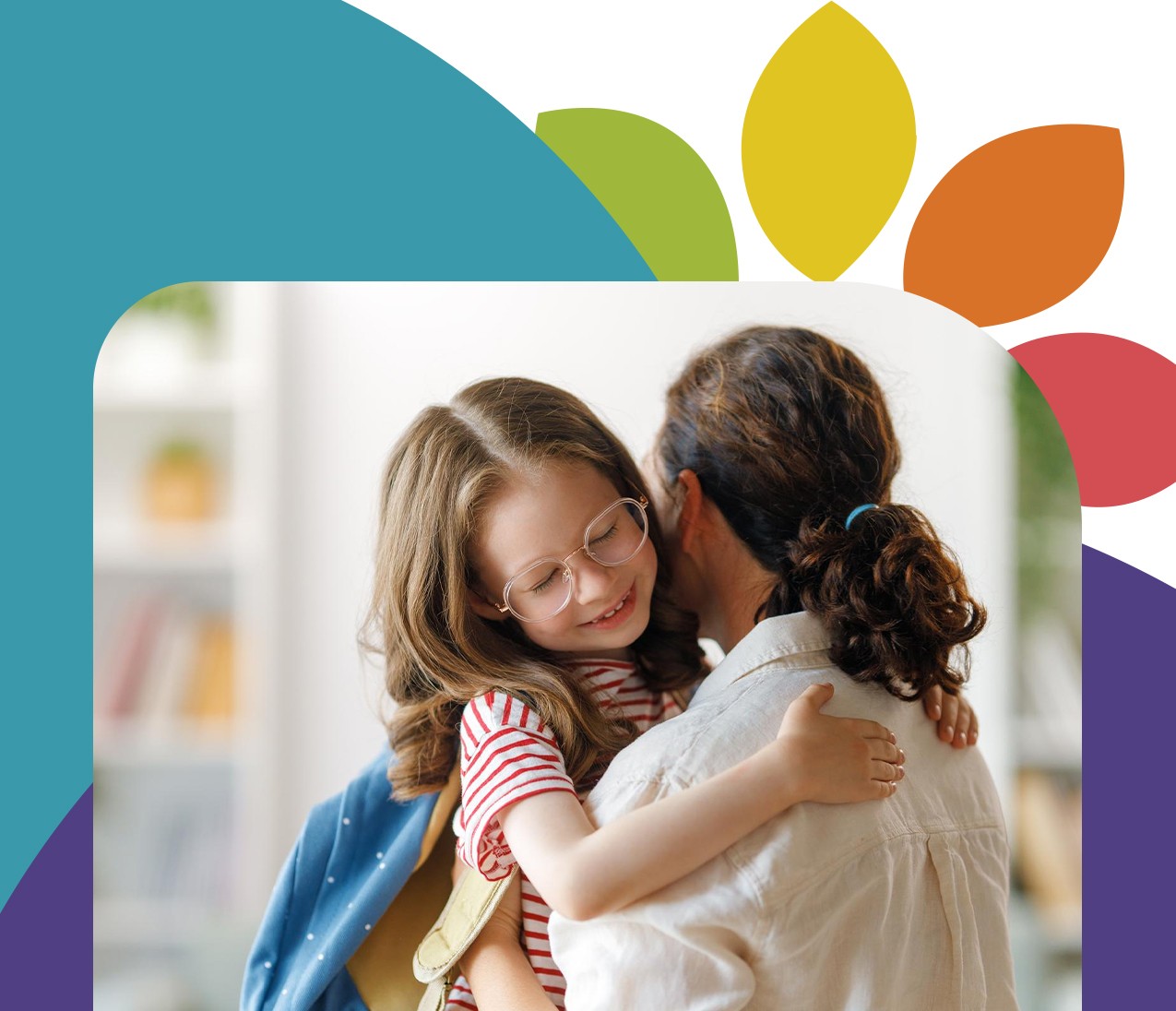
If you have yelled at your autistic child and felt terrible afterward, you are not a bad parent — you are a tired one having a human moment. Almost every parent reaches that point. Understanding what yelling does, and why it lands so hard for autistic kids, isn’t about guilt. It is about finding calmer tools that actually work for both of you.raises their stress, can worsen behaviors, and may harm their emotional well-being.

First, a Word for the Worried Parent

If you searched this at 11pm after a hard day, take a breath — noticing the effect of yelling is already a sign you care deeply. Here is what’s worth knowing without the shame: for an autistic child, a raised voice is often processed as a sensory and safety threat rather than a discipline signal, so their body can shift into fight-or-flight before the words even register. That’s why yelling tends to escalate a moment instead of settling it — not because your child is defiant, and not because you failed. The good news is that the calmer approaches below are learnable, and they get easier with practice.

What Happens When You Yell at an Autistic Child? Key Effects

  • Increased Stress: Autistic children already experience higher stress. Yelling adds to this, making it harder for them to cope.


  • Emotional Harm: Yelling can lead to depression, anxiety, and lower self-esteem. Studies show verbal abuse, including yelling, is linked to long-term mental health problems.


  • Worsened Behavior: Instead of improving, behaviors often get worse. Aggression, withdrawal, or more meltdowns can result from frequent yelling.


  • Breakdown in Communication: Autistic children may not understand why they’re being yelled at, leading to confusion and less trust.

At Blossom ABA Therapy, we see that calm, supportive approaches work best. Research shows that yelling at a child can cause more harm than good. It is associated with emotional and behavioral difficulties and behavioral problems. It raises the risk of depression, anxiety, and behavioral issues. In one study, children exposed to frequent yelling showed more aggression and emotional struggles.

Understanding what happens when you yell at an autistic child is the first step. Ready for better solutions? Contact Blossom ABA Therapy—let’s build calm, positive routines together!

Frequently Asked Questions

What happens in an autistic child’s body when you yell?

Yelling is processed as a threat, triggering the fight-or-flight response and a spike in stress hormones like cortisol. Because many autistic children already run at a higher baseline stress level, the same volume can tip them into a meltdown or shutdown far faster than it would a neurotypical child.

Does yelling ever improve an autistic child’s behaviour?

Research consistently shows the opposite. Frequent yelling is linked to more aggression, withdrawal, and emotional difficulty over time — not less. It also erodes trust and communication, which makes future cooperation harder.

What should I do instead of yelling?

Lower your voice, reduce sensory input, and give the child time and space to regulate before problem-solving. Calm, predictable routines and proactive support strategies — the core of ABA therapy — reduce the behaviours that lead to yelling in the first place.

Is yelling considered emotional abuse?

Occasional raised voices are not abuse, but studies show chronic yelling can affect children similarly to other forms of maltreatment, raising the risk of anxiety, depression, and low self-esteem. For autistic children, who may not understand why they are being yelled at, the impact can be amplified.

Sources:

  1. https://www.medicinenet.com/can_yelling_at_a_child_be_harmful/article.htm

  2. https://www.fox6now.com/news/yelling-at-kids-could-cause-long-term-harm-their-psyches-study

  3. https://www.theautismdad.com/2013/01/24/do-you-ever-catch-yourself-yelling-at-your-autistic-child/

  4. https://www.reddit.com/r/Autism_Parenting/comments/1fxsnho/i_got_shouted_at_because_my_autistic_child_was/

  5. https://www.cbsnews.com/texas/news/study-yelling-physical-abuse-have-similar-effects-on-children/

  6. https://www.foxnews.com/health/yelling-kids-could-cause-long-term-harm-psyches-study-hidden-problem

  7. https://raisingchildren.net.au/autism/behaviour/common-concerns/aggressive-behaviour-asd

  8. https://www.autismparentingmagazine.com/autistic-children-violent/

  9. https://www.simplypsychology.org/are-autistic-emotional-outbursts-misunderstood-as-bad-behavior.html

  10. https://raisingchildren.net.au/autism/behaviour/common-concerns/meltdowns-autistic-children-teenagers

  11. https://www.autism360.com/10-strategies-to-handle-violent-autistic-behavior-in-children/

Seeking Support?
We're Here to Help!

Our dedicated professionals specialize in ABA therapy to foster your child's growth and happiness. We're here to provide the personalized care and attention your child deserves. Reach out to learn how we can support your family's journey.

Connect With Our ABA Experts Today.

ARE YOU PASSIONATE ABOUT HELPING CHILDREN

ARE YOU PASSIONATE ABOUT HELPING CHILDREN

Join Our Team

Join Our Team

Join Our Team

Blossom Therapy constantly seeks qualified BCBAs and RBTs to fill full and part-time positions.

Blossom Therapy constantly seeks qualified BCBAs and RBTs to fill full and part-time positions.

ABA THERAPY

ABA THERAPY

ABA THERAPY

Get ABA Therapy for your child

Get ABA Therapy for your child

Get ABA Therapy for your child

Empowering Progress: Navigating ABA Therapy for Your Child's Development