Our New Clinic in Peachtree Corners is Now Open! Serving families in Norcross, Dunwoody, Sandy Springs, Duluth, Johns Creek, Alpharetta, Roswell, Suwanee, Brookhaven & nearby areas.

How Virtual Reality in Autism Therapy Enhances Learning

Jan 13, 2026

How Virtual Reality in Autism Therapy Enhances Learning

Jan 13, 2026

How Virtual Reality in Autism Therapy Enhances Learning

Jan 13, 2026

How Virtual Reality in Autism Therapy Enhances Learning

Jan 13, 2026

VR in Autism Therapy: Discover how virtual reality enhances learning through immersive social simulations and safe real-world skill-building.

Welcome to the cutting edge of autism therapy. Have you ever wondered how technology can create new learning opportunities? Virtual reality (VR) is emerging as a powerful and innovative approach to support individuals with autism spectrum disorder. This technology uses immersive, simulated environments to help build crucial life skills in a way that feels both safe and engaging. It offers a unique method for practicing social, emotional, and cognitive abilities, marking a significant step forward in therapeutic strategies.

Exploring Virtual Reality in Autism Therapy

Virtual reality is transforming the landscape of autism therapy. By creating digital worlds, this technology offers a unique space for learning and growth. These immersive VR environments are designed to be safe and controllable, allowing individuals with spectrum disorder to practice skills without real-world pressures.

This approach provides a bridge between therapy sessions and everyday life. How does virtual reality help in autism therapy? It simulates scenarios that can be challenging, from social conversations to navigating public spaces, helping users build confidence and competence at their own pace.

What is Virtual Reality Therapy for Autism Spectrum Disorder (ASD)?

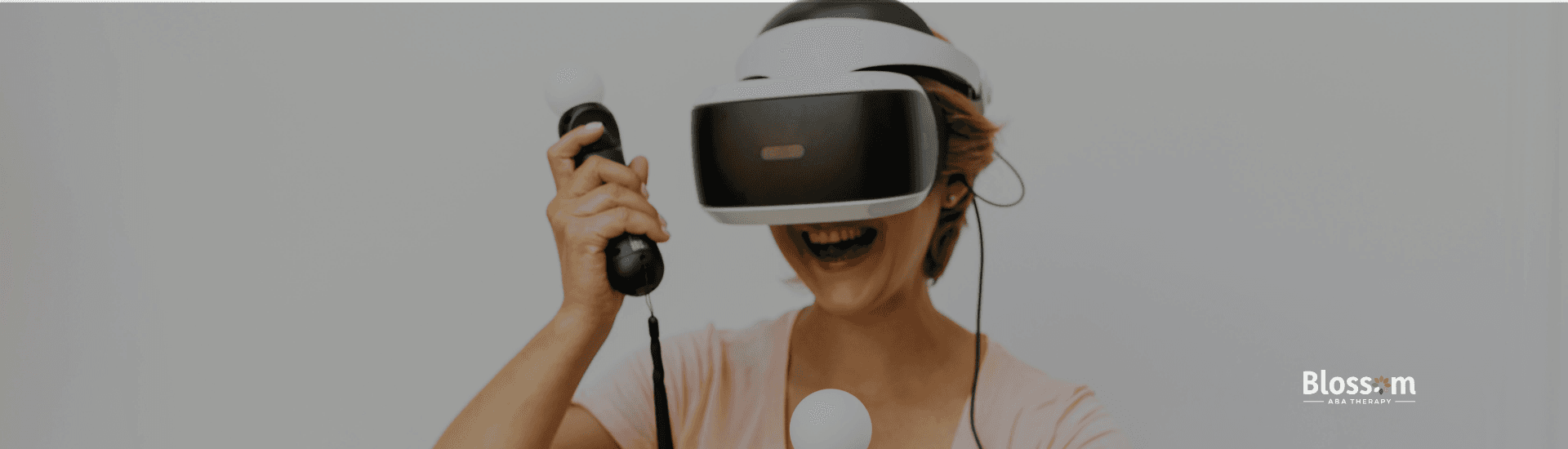
Virtual reality therapy for autism spectrum disorder involves using specialized hardware, such as headsets and sensors, to create immersive virtual reality environments. In these simulated environments, individuals can engage in activities designed to improve social skills, emotional understanding, and daily routines. It’s a modern therapeutic tool supported by decades of research.

This form of therapy helps people with a diagnosis of ASD practice skills in a setting that feels real but is completely safe. For example, a user might interact with virtual characters to learn conversational cues or navigate a simulated grocery store to practice a daily living skill. The experiences can be repeated as many times as needed to build mastery.

The latest advancements include tailoring experiences to a user's progress with the help of artificial intelligence. This makes the therapy highly personalized, as the difficulty can be adjusted in real time. This adaptability makes virtual reality therapy a highly effective and engaging option for skill development.

Types of VR Technology Used in Autism Interventions

Several types of VR technologies are used to create these powerful learning experiences. The hardware and software work together to build a believable virtual environment where therapeutic progress can happen. The goal is to make the use of VR as accessible and effective as possible.

The core components of this virtual reality technology often include:

  • Head-Mounted Displays (HMDs): Devices like the Oculus or PICO immerse the user in the virtual world.

  • Motion Sensors and Controllers: These tools allow users to interact with virtual objects and move around the space.

  • VR Software Platforms: Specialized programs like Floreo VR provide the actual therapeutic content and scenarios.

  • Smartphones and Tablets: These can be used for more accessible, non-immersive VR applications.

This technology is also a valuable tool in behavioral therapies. For instance, VR is increasingly used to complement applied behavior analysis (ABA) by providing a new way to target and reinforce specific skills in a controlled setting.

How Virtual Reality Enhances Learning for Autistic Children

Virtual reality offers a dynamic way to enhance learning for children on the autism spectrum. Through immersive learning programs, VR captures a child's attention and makes therapy feel more like a game. This high level of engagement can lead to faster skill development in key areas.

What cognitive and learning benefits does VR provide for autistic children? It helps improve cognitive skills like attention and problem-solving while providing a unique platform for practicing communication. The following sections will explore how VR’s interactive environments and focus on specific skills contribute to this growth.

Interactive Learning Environments in VR

One of the greatest strengths of the use of virtual reality is its capacity for interactive learning. Instead of just passively receiving information, users actively participate in scenarios that mirror the real world. This hands-on approach helps solidify new skills and makes them easier to apply later.

Immersive VR can simulate a wide range of situations. Can VR be used to teach social skills to children with autism? Absolutely. It excels at this by creating scenarios where children can practice without fear. Common examples include:

  • Ordering food in a virtual restaurant.

  • Having a conversation with virtual characters in a setting like "Bob's Fish Shop."

  • Practicing public speaking in front of a virtual audience.

These environments are completely controlled, allowing a therapist to adjust the difficulty and provide immediate feedback. This creates a powerful and personalized learning loop that builds confidence and prepares individuals for interactions in the real world.

Cognitive and Communication Skill Development Through VR

Beyond social practice, virtual reality is a powerful tool for cognitive and communication skill development. The structured nature of VR programs helps users focus their attention and process information in a clear, predictable way. This can be especially beneficial for developing cognitive skills, such as planning and executive functioning.

The platform provides endless opportunities to practice social communication. Users can rehearse conversations, learn to interpret facial expressions on avatars, and understand nonverbal cues in a low-stakes environment. This repetition helps build a strong foundation for more fluid and confident communication.

Because the virtual scenarios can be paused, reviewed, and repeated, individuals receive targeted practice on the exact communication skills they need to improve. This focused approach to skill development is a key reason why VR is becoming such a valuable part of modern autism therapy.

Social Skills and Emotional Regulation Using VR

Navigating social situations can be challenging, but virtual reality offers a new way to practice. Immersive VR creates realistic scenarios for social skill development, allowing users to build confidence in a controlled setting. This technology is particularly effective for improving social skills and emotional regulation.

By simulating everything from casual chats to more complex social interactions, VR helps individuals understand social cues and appropriate responses. The next sections will cover how VR provides a safe space for this practice and supports the development of emotional awareness.

Creating Safe Scenarios for Social Skills Practice

A major benefit of VR is its ability to create a safe space for practicing social interactions. For many on the autism spectrum, the unpredictability of real-world encounters can cause anxiety. A controlled environment removes this fear, allowing for open exploration and learning.

Virtual scenarios can be tailored to target specific social goals. Can VR be used to teach social skills to children with autism? Yes, by designing specific, repeatable interactions. These can include:

  • Practicing job interview skills with a virtual hiring manager.

  • Learning to initiate and maintain conversations with peers.

  • Navigating crowded public places to reduce anxiety.

In this digital safe space, users can make mistakes without negative consequences, which is crucial for building confidence. This allows them to rehearse social behaviors until they feel prepared to use them in their daily lives, turning virtual practice into real-world competence.

Supporting Emotional Awareness and Coping Techniques

Developing emotional skills is another key area where VR excels. The technology can be used to help individuals improve their emotional awareness by presenting them with scenarios designed to elicit different feelings in a manageable way. This helps users learn to identify their own emotions and those of others.

VR also provides an ideal platform for teaching coping techniques. Calming virtual environments, such as a peaceful aquarium or a quiet nature scene, can be used to practice mindfulness and relaxation exercises. This helps with emotional regulation, giving users tools to manage stress and sensory overload.

Furthermore, how effective is virtual reality in reducing phobias in people with autism? Research shows it is very effective. By gradually exposing a person to a feared situation—like public speaking or crowded spaces—in a controlled virtual setting, VR can help desensitize them and significantly reduce their phobia-related anxiety.

Research and Evidence-Based Programs in VR Autism Therapy

The use of VR in autism therapy is not just a trend; it is backed by a growing body of scientific evidence. Research-driven programs are leading the way, ensuring that the technology is used effectively and responsibly. A systematic review of studies has confirmed the effectiveness of VR.

Are there research-based VR programs designed specifically for autistic individuals? Yes, and these platforms are built on solid clinical principles. The following sections will highlight recent studies that support VR's benefits and spotlight some of the leading research-driven platforms available today.

Recent Studies Supporting VR’s Effectiveness

An increasing amount of research evidence validates the effectiveness of VR in autism therapy. Meta-analyses, which combine results from multiple studies, show a significant positive impact. The data collection from these studies provides clear scientific evidence of where VR is most beneficial.

One comprehensive review of 33 studies found a substantial overall positive effect. The improvements were especially strong in certain areas. The results showed that VR is a valuable tool for teaching a variety of skills.

This research evidence demonstrates that VR is not just engaging but also produces measurable results.

Skill Area

Effect Size (g)

Impact Level

Daily Living Skills

1.15

Strong

Social and Communication Skills

0.69

Moderate

Emotion Regulation and Recognition

0.46

Moderate

Spotlight on Research-Driven VR Platforms for ASD

Several leading VR platforms have been developed based on this solid research evidence. Are there research-based VR programs designed specifically for autistic individuals? Yes, and they are making a real difference. Floreo VR is one prominent example, offering a library of science-based lessons focused on social, communication, and behavioral skills.

Developed by a team of clinicians and neurodiverse individuals, Floreo has even earned an FDA breakthrough device designation. This platform is used in schools, clinics, and homes to provide consistent, research-driven practice. It showcases how dedicated VR platforms can target specific therapeutic goals.

Another key player is XRHealth, which provides online autism therapy using VR headsets sent directly to a patient's home. This model combines virtual reality with telehealth sessions, offering personalized plans and real-time support from licensed therapists. These platforms are at the forefront of the field of autism therapy.

Challenges and Considerations in VR Autism Therapy

While VR holds immense promise, there are important challenges to consider for successful implementation. Issues like sensory sensitivities, usability, and accessibility must be addressed to ensure the technology is a good fit for every individual.

What are the challenges of implementing VR therapy for autism? Beyond the technology itself, therapists and families must consider potential side effects and safety concerns. The following sections will explore how to manage sensory issues and the practical steps needed for safe and accessible VR implementation.

Sensory Sensitivities and VR Use

A primary consideration in ASD practice is managing sensory sensitivities. The immersive nature of VR, with its intense visual and auditory stimuli, can be overwhelming for some individuals. The use of VR must be approached with care, as the DSM-5 criteria for autism specifically note hyper- or hypo-reactivity to sensory input.

To address this, VR experiences should be customizable. Allowing a therapist or user to adjust the brightness, volume, and complexity of the virtual environment can prevent sensory overload. It is crucial to respect the specific needs of each person and ensure their comfort during therapy sessions.

Close monitoring is essential. A therapist or caregiver should always be present to observe the user's reactions and ensure the experience remains positive and therapeutic, not stressful. This careful approach allows the benefits of VR to be realized without causing distress.

Accessibility, Usability, and Safety Measures in VR Implementation

Beyond sensory concerns, practical factors like accessibility and usability play a big role. The cost of a VR headset and software, along with the need for trained professionals to guide sessions, can be barriers for some families and clinics.

Ensuring the technology is user-friendly is also key. The systems should be intuitive enough for individuals with varying abilities to use without frustration. Are there any safety concerns with using virtual reality in autism therapy? Yes, and they must be managed with clear safety measures. These include:

  • Supervising sessions to monitor for dizziness, nausea, or sensory overload.

  • Ensuring the physical space is clear of obstacles to prevent falls while using a VR headset.

  • Starting with short sessions and gradually increasing the duration as the user gets comfortable.

By prioritizing these safety measures, therapists can create a secure and effective therapeutic environment, making VR a valuable and responsible tool in autism intervention.

Conclusion

In summary, virtual reality offers a transformative approach to autism therapy, enhancing learning through immersive and interactive environments. By providing tailored experiences that foster cognitive, communication, and social skills, VR empowers autistic children to thrive. While considerations regarding sensory sensitivities and the accessibility of VR technology are crucial, the potential benefits of such interventions are backed by compelling research and evidence-based programs. As we continue to explore this innovative method, it's clear that virtual reality can play a pivotal role in supporting the unique needs of individuals with autism. Embracing these advancements opens new doors for learning and personal growth, paving the way for brighter futures. If you're curious about how virtual reality can specifically benefit your loved one, don't hesitate to reach out for a free consultation!

At Blossom ABA Therapy, we are committed to bridging the gap between clinical success and real-world independence by embracing the future of behavioral health. We understand that traditional therapy settings can sometimes feel limiting, which is why we integrate cutting-edge tools and innovative methodologies to create immersive learning experiences for our clients. Our expert BCBAs leverage advanced technology to provide a safe, controlled environment where children can practice complex social interactions, navigation skills, and daily routines before applying them in the community. This forward-thinking approach ensures that learning isn't just a stationary exercise—it’s a dynamic, engaging journey that prepares every child for the complexities of the modern world. When you choose Blossom, you are choosing a provider that stays at the forefront of science and technology to ensure your child has every advantage possible.

Frequently Asked Questions

Is virtual reality therapy effective for teaching social skills to children with autism?

Yes, virtual reality therapy is highly effective for teaching social skills. It provides a safe, controlled environment where children with autism spectrum disorder can practice interactions repeatedly without real-world pressure. Studies show this improves social cognition, and the effectiveness of virtual reality in this area is well-documented.

Can virtual reality help reduce phobias and improve confidence in autistic individuals?

Absolutely. Virtual reality is an excellent tool for phobia reduction. Through gradual, controlled exposure in immersive experiences, individuals can face their fears in a safe setting. This process helps with emotional regulation and builds the confidence needed to manage those situations in real life, making it a valuable part of autism therapy.

Are there any safety or health concerns for using VR in autism therapy?

Safety is an important consideration in virtual reality therapy. The primary concerns involve managing sensory sensitivities to avoid overload and monitoring for physical discomfort like dizziness from the VR headset. With proper supervision and customizable settings, these risks can be effectively managed to ensure a positive experience.

Sources:

https://pmc.ncbi.nlm.nih.gov/articles/PMC11649411/

https://www.autismspeaks.org/applied-behavior-analysis

https://pmc.ncbi.nlm.nih.gov/articles/PMC12443706/

https://pmc.ncbi.nlm.nih.gov/articles/PMC10813885/

https://pmc.ncbi.nlm.nih.gov/articles/PMC10907201/

Welcome to the cutting edge of autism therapy. Have you ever wondered how technology can create new learning opportunities? Virtual reality (VR) is emerging as a powerful and innovative approach to support individuals with autism spectrum disorder. This technology uses immersive, simulated environments to help build crucial life skills in a way that feels both safe and engaging. It offers a unique method for practicing social, emotional, and cognitive abilities, marking a significant step forward in therapeutic strategies.

Exploring Virtual Reality in Autism Therapy

Virtual reality is transforming the landscape of autism therapy. By creating digital worlds, this technology offers a unique space for learning and growth. These immersive VR environments are designed to be safe and controllable, allowing individuals with spectrum disorder to practice skills without real-world pressures.

This approach provides a bridge between therapy sessions and everyday life. How does virtual reality help in autism therapy? It simulates scenarios that can be challenging, from social conversations to navigating public spaces, helping users build confidence and competence at their own pace.

What is Virtual Reality Therapy for Autism Spectrum Disorder (ASD)?

Virtual reality therapy for autism spectrum disorder involves using specialized hardware, such as headsets and sensors, to create immersive virtual reality environments. In these simulated environments, individuals can engage in activities designed to improve social skills, emotional understanding, and daily routines. It’s a modern therapeutic tool supported by decades of research.

This form of therapy helps people with a diagnosis of ASD practice skills in a setting that feels real but is completely safe. For example, a user might interact with virtual characters to learn conversational cues or navigate a simulated grocery store to practice a daily living skill. The experiences can be repeated as many times as needed to build mastery.

The latest advancements include tailoring experiences to a user's progress with the help of artificial intelligence. This makes the therapy highly personalized, as the difficulty can be adjusted in real time. This adaptability makes virtual reality therapy a highly effective and engaging option for skill development.

Types of VR Technology Used in Autism Interventions

Several types of VR technologies are used to create these powerful learning experiences. The hardware and software work together to build a believable virtual environment where therapeutic progress can happen. The goal is to make the use of VR as accessible and effective as possible.

The core components of this virtual reality technology often include:

  • Head-Mounted Displays (HMDs): Devices like the Oculus or PICO immerse the user in the virtual world.

  • Motion Sensors and Controllers: These tools allow users to interact with virtual objects and move around the space.

  • VR Software Platforms: Specialized programs like Floreo VR provide the actual therapeutic content and scenarios.

  • Smartphones and Tablets: These can be used for more accessible, non-immersive VR applications.

This technology is also a valuable tool in behavioral therapies. For instance, VR is increasingly used to complement applied behavior analysis (ABA) by providing a new way to target and reinforce specific skills in a controlled setting.

How Virtual Reality Enhances Learning for Autistic Children

Virtual reality offers a dynamic way to enhance learning for children on the autism spectrum. Through immersive learning programs, VR captures a child's attention and makes therapy feel more like a game. This high level of engagement can lead to faster skill development in key areas.

What cognitive and learning benefits does VR provide for autistic children? It helps improve cognitive skills like attention and problem-solving while providing a unique platform for practicing communication. The following sections will explore how VR’s interactive environments and focus on specific skills contribute to this growth.

Interactive Learning Environments in VR

One of the greatest strengths of the use of virtual reality is its capacity for interactive learning. Instead of just passively receiving information, users actively participate in scenarios that mirror the real world. This hands-on approach helps solidify new skills and makes them easier to apply later.

Immersive VR can simulate a wide range of situations. Can VR be used to teach social skills to children with autism? Absolutely. It excels at this by creating scenarios where children can practice without fear. Common examples include:

  • Ordering food in a virtual restaurant.

  • Having a conversation with virtual characters in a setting like "Bob's Fish Shop."

  • Practicing public speaking in front of a virtual audience.

These environments are completely controlled, allowing a therapist to adjust the difficulty and provide immediate feedback. This creates a powerful and personalized learning loop that builds confidence and prepares individuals for interactions in the real world.

Cognitive and Communication Skill Development Through VR

Beyond social practice, virtual reality is a powerful tool for cognitive and communication skill development. The structured nature of VR programs helps users focus their attention and process information in a clear, predictable way. This can be especially beneficial for developing cognitive skills, such as planning and executive functioning.

The platform provides endless opportunities to practice social communication. Users can rehearse conversations, learn to interpret facial expressions on avatars, and understand nonverbal cues in a low-stakes environment. This repetition helps build a strong foundation for more fluid and confident communication.

Because the virtual scenarios can be paused, reviewed, and repeated, individuals receive targeted practice on the exact communication skills they need to improve. This focused approach to skill development is a key reason why VR is becoming such a valuable part of modern autism therapy.

Social Skills and Emotional Regulation Using VR

Navigating social situations can be challenging, but virtual reality offers a new way to practice. Immersive VR creates realistic scenarios for social skill development, allowing users to build confidence in a controlled setting. This technology is particularly effective for improving social skills and emotional regulation.

By simulating everything from casual chats to more complex social interactions, VR helps individuals understand social cues and appropriate responses. The next sections will cover how VR provides a safe space for this practice and supports the development of emotional awareness.

Creating Safe Scenarios for Social Skills Practice

A major benefit of VR is its ability to create a safe space for practicing social interactions. For many on the autism spectrum, the unpredictability of real-world encounters can cause anxiety. A controlled environment removes this fear, allowing for open exploration and learning.

Virtual scenarios can be tailored to target specific social goals. Can VR be used to teach social skills to children with autism? Yes, by designing specific, repeatable interactions. These can include:

  • Practicing job interview skills with a virtual hiring manager.

  • Learning to initiate and maintain conversations with peers.

  • Navigating crowded public places to reduce anxiety.

In this digital safe space, users can make mistakes without negative consequences, which is crucial for building confidence. This allows them to rehearse social behaviors until they feel prepared to use them in their daily lives, turning virtual practice into real-world competence.

Supporting Emotional Awareness and Coping Techniques

Developing emotional skills is another key area where VR excels. The technology can be used to help individuals improve their emotional awareness by presenting them with scenarios designed to elicit different feelings in a manageable way. This helps users learn to identify their own emotions and those of others.

VR also provides an ideal platform for teaching coping techniques. Calming virtual environments, such as a peaceful aquarium or a quiet nature scene, can be used to practice mindfulness and relaxation exercises. This helps with emotional regulation, giving users tools to manage stress and sensory overload.

Furthermore, how effective is virtual reality in reducing phobias in people with autism? Research shows it is very effective. By gradually exposing a person to a feared situation—like public speaking or crowded spaces—in a controlled virtual setting, VR can help desensitize them and significantly reduce their phobia-related anxiety.

Research and Evidence-Based Programs in VR Autism Therapy

The use of VR in autism therapy is not just a trend; it is backed by a growing body of scientific evidence. Research-driven programs are leading the way, ensuring that the technology is used effectively and responsibly. A systematic review of studies has confirmed the effectiveness of VR.

Are there research-based VR programs designed specifically for autistic individuals? Yes, and these platforms are built on solid clinical principles. The following sections will highlight recent studies that support VR's benefits and spotlight some of the leading research-driven platforms available today.

Recent Studies Supporting VR’s Effectiveness

An increasing amount of research evidence validates the effectiveness of VR in autism therapy. Meta-analyses, which combine results from multiple studies, show a significant positive impact. The data collection from these studies provides clear scientific evidence of where VR is most beneficial.

One comprehensive review of 33 studies found a substantial overall positive effect. The improvements were especially strong in certain areas. The results showed that VR is a valuable tool for teaching a variety of skills.

This research evidence demonstrates that VR is not just engaging but also produces measurable results.

Skill Area

Effect Size (g)

Impact Level

Daily Living Skills

1.15

Strong

Social and Communication Skills

0.69

Moderate

Emotion Regulation and Recognition

0.46

Moderate

Spotlight on Research-Driven VR Platforms for ASD

Several leading VR platforms have been developed based on this solid research evidence. Are there research-based VR programs designed specifically for autistic individuals? Yes, and they are making a real difference. Floreo VR is one prominent example, offering a library of science-based lessons focused on social, communication, and behavioral skills.

Developed by a team of clinicians and neurodiverse individuals, Floreo has even earned an FDA breakthrough device designation. This platform is used in schools, clinics, and homes to provide consistent, research-driven practice. It showcases how dedicated VR platforms can target specific therapeutic goals.

Another key player is XRHealth, which provides online autism therapy using VR headsets sent directly to a patient's home. This model combines virtual reality with telehealth sessions, offering personalized plans and real-time support from licensed therapists. These platforms are at the forefront of the field of autism therapy.

Challenges and Considerations in VR Autism Therapy

While VR holds immense promise, there are important challenges to consider for successful implementation. Issues like sensory sensitivities, usability, and accessibility must be addressed to ensure the technology is a good fit for every individual.

What are the challenges of implementing VR therapy for autism? Beyond the technology itself, therapists and families must consider potential side effects and safety concerns. The following sections will explore how to manage sensory issues and the practical steps needed for safe and accessible VR implementation.

Sensory Sensitivities and VR Use

A primary consideration in ASD practice is managing sensory sensitivities. The immersive nature of VR, with its intense visual and auditory stimuli, can be overwhelming for some individuals. The use of VR must be approached with care, as the DSM-5 criteria for autism specifically note hyper- or hypo-reactivity to sensory input.

To address this, VR experiences should be customizable. Allowing a therapist or user to adjust the brightness, volume, and complexity of the virtual environment can prevent sensory overload. It is crucial to respect the specific needs of each person and ensure their comfort during therapy sessions.

Close monitoring is essential. A therapist or caregiver should always be present to observe the user's reactions and ensure the experience remains positive and therapeutic, not stressful. This careful approach allows the benefits of VR to be realized without causing distress.

Accessibility, Usability, and Safety Measures in VR Implementation

Beyond sensory concerns, practical factors like accessibility and usability play a big role. The cost of a VR headset and software, along with the need for trained professionals to guide sessions, can be barriers for some families and clinics.

Ensuring the technology is user-friendly is also key. The systems should be intuitive enough for individuals with varying abilities to use without frustration. Are there any safety concerns with using virtual reality in autism therapy? Yes, and they must be managed with clear safety measures. These include:

  • Supervising sessions to monitor for dizziness, nausea, or sensory overload.

  • Ensuring the physical space is clear of obstacles to prevent falls while using a VR headset.

  • Starting with short sessions and gradually increasing the duration as the user gets comfortable.

By prioritizing these safety measures, therapists can create a secure and effective therapeutic environment, making VR a valuable and responsible tool in autism intervention.

Conclusion

In summary, virtual reality offers a transformative approach to autism therapy, enhancing learning through immersive and interactive environments. By providing tailored experiences that foster cognitive, communication, and social skills, VR empowers autistic children to thrive. While considerations regarding sensory sensitivities and the accessibility of VR technology are crucial, the potential benefits of such interventions are backed by compelling research and evidence-based programs. As we continue to explore this innovative method, it's clear that virtual reality can play a pivotal role in supporting the unique needs of individuals with autism. Embracing these advancements opens new doors for learning and personal growth, paving the way for brighter futures. If you're curious about how virtual reality can specifically benefit your loved one, don't hesitate to reach out for a free consultation!

At Blossom ABA Therapy, we are committed to bridging the gap between clinical success and real-world independence by embracing the future of behavioral health. We understand that traditional therapy settings can sometimes feel limiting, which is why we integrate cutting-edge tools and innovative methodologies to create immersive learning experiences for our clients. Our expert BCBAs leverage advanced technology to provide a safe, controlled environment where children can practice complex social interactions, navigation skills, and daily routines before applying them in the community. This forward-thinking approach ensures that learning isn't just a stationary exercise—it’s a dynamic, engaging journey that prepares every child for the complexities of the modern world. When you choose Blossom, you are choosing a provider that stays at the forefront of science and technology to ensure your child has every advantage possible.

Frequently Asked Questions

Is virtual reality therapy effective for teaching social skills to children with autism?

Yes, virtual reality therapy is highly effective for teaching social skills. It provides a safe, controlled environment where children with autism spectrum disorder can practice interactions repeatedly without real-world pressure. Studies show this improves social cognition, and the effectiveness of virtual reality in this area is well-documented.

Can virtual reality help reduce phobias and improve confidence in autistic individuals?

Absolutely. Virtual reality is an excellent tool for phobia reduction. Through gradual, controlled exposure in immersive experiences, individuals can face their fears in a safe setting. This process helps with emotional regulation and builds the confidence needed to manage those situations in real life, making it a valuable part of autism therapy.

Are there any safety or health concerns for using VR in autism therapy?

Safety is an important consideration in virtual reality therapy. The primary concerns involve managing sensory sensitivities to avoid overload and monitoring for physical discomfort like dizziness from the VR headset. With proper supervision and customizable settings, these risks can be effectively managed to ensure a positive experience.

Sources:

https://pmc.ncbi.nlm.nih.gov/articles/PMC11649411/

https://www.autismspeaks.org/applied-behavior-analysis

https://pmc.ncbi.nlm.nih.gov/articles/PMC12443706/

https://pmc.ncbi.nlm.nih.gov/articles/PMC10813885/

https://pmc.ncbi.nlm.nih.gov/articles/PMC10907201/

Welcome to the cutting edge of autism therapy. Have you ever wondered how technology can create new learning opportunities? Virtual reality (VR) is emerging as a powerful and innovative approach to support individuals with autism spectrum disorder. This technology uses immersive, simulated environments to help build crucial life skills in a way that feels both safe and engaging. It offers a unique method for practicing social, emotional, and cognitive abilities, marking a significant step forward in therapeutic strategies.

Exploring Virtual Reality in Autism Therapy

Virtual reality is transforming the landscape of autism therapy. By creating digital worlds, this technology offers a unique space for learning and growth. These immersive VR environments are designed to be safe and controllable, allowing individuals with spectrum disorder to practice skills without real-world pressures.

This approach provides a bridge between therapy sessions and everyday life. How does virtual reality help in autism therapy? It simulates scenarios that can be challenging, from social conversations to navigating public spaces, helping users build confidence and competence at their own pace.

What is Virtual Reality Therapy for Autism Spectrum Disorder (ASD)?

Virtual reality therapy for autism spectrum disorder involves using specialized hardware, such as headsets and sensors, to create immersive virtual reality environments. In these simulated environments, individuals can engage in activities designed to improve social skills, emotional understanding, and daily routines. It’s a modern therapeutic tool supported by decades of research.

This form of therapy helps people with a diagnosis of ASD practice skills in a setting that feels real but is completely safe. For example, a user might interact with virtual characters to learn conversational cues or navigate a simulated grocery store to practice a daily living skill. The experiences can be repeated as many times as needed to build mastery.

The latest advancements include tailoring experiences to a user's progress with the help of artificial intelligence. This makes the therapy highly personalized, as the difficulty can be adjusted in real time. This adaptability makes virtual reality therapy a highly effective and engaging option for skill development.

Types of VR Technology Used in Autism Interventions

Several types of VR technologies are used to create these powerful learning experiences. The hardware and software work together to build a believable virtual environment where therapeutic progress can happen. The goal is to make the use of VR as accessible and effective as possible.

The core components of this virtual reality technology often include:

  • Head-Mounted Displays (HMDs): Devices like the Oculus or PICO immerse the user in the virtual world.

  • Motion Sensors and Controllers: These tools allow users to interact with virtual objects and move around the space.

  • VR Software Platforms: Specialized programs like Floreo VR provide the actual therapeutic content and scenarios.

  • Smartphones and Tablets: These can be used for more accessible, non-immersive VR applications.

This technology is also a valuable tool in behavioral therapies. For instance, VR is increasingly used to complement applied behavior analysis (ABA) by providing a new way to target and reinforce specific skills in a controlled setting.

How Virtual Reality Enhances Learning for Autistic Children

Virtual reality offers a dynamic way to enhance learning for children on the autism spectrum. Through immersive learning programs, VR captures a child's attention and makes therapy feel more like a game. This high level of engagement can lead to faster skill development in key areas.

What cognitive and learning benefits does VR provide for autistic children? It helps improve cognitive skills like attention and problem-solving while providing a unique platform for practicing communication. The following sections will explore how VR’s interactive environments and focus on specific skills contribute to this growth.

Interactive Learning Environments in VR

One of the greatest strengths of the use of virtual reality is its capacity for interactive learning. Instead of just passively receiving information, users actively participate in scenarios that mirror the real world. This hands-on approach helps solidify new skills and makes them easier to apply later.

Immersive VR can simulate a wide range of situations. Can VR be used to teach social skills to children with autism? Absolutely. It excels at this by creating scenarios where children can practice without fear. Common examples include:

  • Ordering food in a virtual restaurant.

  • Having a conversation with virtual characters in a setting like "Bob's Fish Shop."

  • Practicing public speaking in front of a virtual audience.

These environments are completely controlled, allowing a therapist to adjust the difficulty and provide immediate feedback. This creates a powerful and personalized learning loop that builds confidence and prepares individuals for interactions in the real world.

Cognitive and Communication Skill Development Through VR

Beyond social practice, virtual reality is a powerful tool for cognitive and communication skill development. The structured nature of VR programs helps users focus their attention and process information in a clear, predictable way. This can be especially beneficial for developing cognitive skills, such as planning and executive functioning.

The platform provides endless opportunities to practice social communication. Users can rehearse conversations, learn to interpret facial expressions on avatars, and understand nonverbal cues in a low-stakes environment. This repetition helps build a strong foundation for more fluid and confident communication.

Because the virtual scenarios can be paused, reviewed, and repeated, individuals receive targeted practice on the exact communication skills they need to improve. This focused approach to skill development is a key reason why VR is becoming such a valuable part of modern autism therapy.

Social Skills and Emotional Regulation Using VR

Navigating social situations can be challenging, but virtual reality offers a new way to practice. Immersive VR creates realistic scenarios for social skill development, allowing users to build confidence in a controlled setting. This technology is particularly effective for improving social skills and emotional regulation.

By simulating everything from casual chats to more complex social interactions, VR helps individuals understand social cues and appropriate responses. The next sections will cover how VR provides a safe space for this practice and supports the development of emotional awareness.

Creating Safe Scenarios for Social Skills Practice

A major benefit of VR is its ability to create a safe space for practicing social interactions. For many on the autism spectrum, the unpredictability of real-world encounters can cause anxiety. A controlled environment removes this fear, allowing for open exploration and learning.

Virtual scenarios can be tailored to target specific social goals. Can VR be used to teach social skills to children with autism? Yes, by designing specific, repeatable interactions. These can include:

  • Practicing job interview skills with a virtual hiring manager.

  • Learning to initiate and maintain conversations with peers.

  • Navigating crowded public places to reduce anxiety.

In this digital safe space, users can make mistakes without negative consequences, which is crucial for building confidence. This allows them to rehearse social behaviors until they feel prepared to use them in their daily lives, turning virtual practice into real-world competence.

Supporting Emotional Awareness and Coping Techniques

Developing emotional skills is another key area where VR excels. The technology can be used to help individuals improve their emotional awareness by presenting them with scenarios designed to elicit different feelings in a manageable way. This helps users learn to identify their own emotions and those of others.

VR also provides an ideal platform for teaching coping techniques. Calming virtual environments, such as a peaceful aquarium or a quiet nature scene, can be used to practice mindfulness and relaxation exercises. This helps with emotional regulation, giving users tools to manage stress and sensory overload.

Furthermore, how effective is virtual reality in reducing phobias in people with autism? Research shows it is very effective. By gradually exposing a person to a feared situation—like public speaking or crowded spaces—in a controlled virtual setting, VR can help desensitize them and significantly reduce their phobia-related anxiety.

Research and Evidence-Based Programs in VR Autism Therapy

The use of VR in autism therapy is not just a trend; it is backed by a growing body of scientific evidence. Research-driven programs are leading the way, ensuring that the technology is used effectively and responsibly. A systematic review of studies has confirmed the effectiveness of VR.

Are there research-based VR programs designed specifically for autistic individuals? Yes, and these platforms are built on solid clinical principles. The following sections will highlight recent studies that support VR's benefits and spotlight some of the leading research-driven platforms available today.

Recent Studies Supporting VR’s Effectiveness

An increasing amount of research evidence validates the effectiveness of VR in autism therapy. Meta-analyses, which combine results from multiple studies, show a significant positive impact. The data collection from these studies provides clear scientific evidence of where VR is most beneficial.

One comprehensive review of 33 studies found a substantial overall positive effect. The improvements were especially strong in certain areas. The results showed that VR is a valuable tool for teaching a variety of skills.

This research evidence demonstrates that VR is not just engaging but also produces measurable results.

Skill Area

Effect Size (g)

Impact Level

Daily Living Skills

1.15

Strong

Social and Communication Skills

0.69

Moderate

Emotion Regulation and Recognition

0.46

Moderate

Spotlight on Research-Driven VR Platforms for ASD

Several leading VR platforms have been developed based on this solid research evidence. Are there research-based VR programs designed specifically for autistic individuals? Yes, and they are making a real difference. Floreo VR is one prominent example, offering a library of science-based lessons focused on social, communication, and behavioral skills.

Developed by a team of clinicians and neurodiverse individuals, Floreo has even earned an FDA breakthrough device designation. This platform is used in schools, clinics, and homes to provide consistent, research-driven practice. It showcases how dedicated VR platforms can target specific therapeutic goals.

Another key player is XRHealth, which provides online autism therapy using VR headsets sent directly to a patient's home. This model combines virtual reality with telehealth sessions, offering personalized plans and real-time support from licensed therapists. These platforms are at the forefront of the field of autism therapy.

Challenges and Considerations in VR Autism Therapy

While VR holds immense promise, there are important challenges to consider for successful implementation. Issues like sensory sensitivities, usability, and accessibility must be addressed to ensure the technology is a good fit for every individual.

What are the challenges of implementing VR therapy for autism? Beyond the technology itself, therapists and families must consider potential side effects and safety concerns. The following sections will explore how to manage sensory issues and the practical steps needed for safe and accessible VR implementation.

Sensory Sensitivities and VR Use

A primary consideration in ASD practice is managing sensory sensitivities. The immersive nature of VR, with its intense visual and auditory stimuli, can be overwhelming for some individuals. The use of VR must be approached with care, as the DSM-5 criteria for autism specifically note hyper- or hypo-reactivity to sensory input.

To address this, VR experiences should be customizable. Allowing a therapist or user to adjust the brightness, volume, and complexity of the virtual environment can prevent sensory overload. It is crucial to respect the specific needs of each person and ensure their comfort during therapy sessions.

Close monitoring is essential. A therapist or caregiver should always be present to observe the user's reactions and ensure the experience remains positive and therapeutic, not stressful. This careful approach allows the benefits of VR to be realized without causing distress.

Accessibility, Usability, and Safety Measures in VR Implementation

Beyond sensory concerns, practical factors like accessibility and usability play a big role. The cost of a VR headset and software, along with the need for trained professionals to guide sessions, can be barriers for some families and clinics.

Ensuring the technology is user-friendly is also key. The systems should be intuitive enough for individuals with varying abilities to use without frustration. Are there any safety concerns with using virtual reality in autism therapy? Yes, and they must be managed with clear safety measures. These include:

  • Supervising sessions to monitor for dizziness, nausea, or sensory overload.

  • Ensuring the physical space is clear of obstacles to prevent falls while using a VR headset.

  • Starting with short sessions and gradually increasing the duration as the user gets comfortable.

By prioritizing these safety measures, therapists can create a secure and effective therapeutic environment, making VR a valuable and responsible tool in autism intervention.

Conclusion

In summary, virtual reality offers a transformative approach to autism therapy, enhancing learning through immersive and interactive environments. By providing tailored experiences that foster cognitive, communication, and social skills, VR empowers autistic children to thrive. While considerations regarding sensory sensitivities and the accessibility of VR technology are crucial, the potential benefits of such interventions are backed by compelling research and evidence-based programs. As we continue to explore this innovative method, it's clear that virtual reality can play a pivotal role in supporting the unique needs of individuals with autism. Embracing these advancements opens new doors for learning and personal growth, paving the way for brighter futures. If you're curious about how virtual reality can specifically benefit your loved one, don't hesitate to reach out for a free consultation!

At Blossom ABA Therapy, we are committed to bridging the gap between clinical success and real-world independence by embracing the future of behavioral health. We understand that traditional therapy settings can sometimes feel limiting, which is why we integrate cutting-edge tools and innovative methodologies to create immersive learning experiences for our clients. Our expert BCBAs leverage advanced technology to provide a safe, controlled environment where children can practice complex social interactions, navigation skills, and daily routines before applying them in the community. This forward-thinking approach ensures that learning isn't just a stationary exercise—it’s a dynamic, engaging journey that prepares every child for the complexities of the modern world. When you choose Blossom, you are choosing a provider that stays at the forefront of science and technology to ensure your child has every advantage possible.

Frequently Asked Questions

Is virtual reality therapy effective for teaching social skills to children with autism?

Yes, virtual reality therapy is highly effective for teaching social skills. It provides a safe, controlled environment where children with autism spectrum disorder can practice interactions repeatedly without real-world pressure. Studies show this improves social cognition, and the effectiveness of virtual reality in this area is well-documented.

Can virtual reality help reduce phobias and improve confidence in autistic individuals?

Absolutely. Virtual reality is an excellent tool for phobia reduction. Through gradual, controlled exposure in immersive experiences, individuals can face their fears in a safe setting. This process helps with emotional regulation and builds the confidence needed to manage those situations in real life, making it a valuable part of autism therapy.

Are there any safety or health concerns for using VR in autism therapy?

Safety is an important consideration in virtual reality therapy. The primary concerns involve managing sensory sensitivities to avoid overload and monitoring for physical discomfort like dizziness from the VR headset. With proper supervision and customizable settings, these risks can be effectively managed to ensure a positive experience.

Sources:

https://pmc.ncbi.nlm.nih.gov/articles/PMC11649411/

https://www.autismspeaks.org/applied-behavior-analysis

https://pmc.ncbi.nlm.nih.gov/articles/PMC12443706/

https://pmc.ncbi.nlm.nih.gov/articles/PMC10813885/

https://pmc.ncbi.nlm.nih.gov/articles/PMC10907201/

Welcome to the cutting edge of autism therapy. Have you ever wondered how technology can create new learning opportunities? Virtual reality (VR) is emerging as a powerful and innovative approach to support individuals with autism spectrum disorder. This technology uses immersive, simulated environments to help build crucial life skills in a way that feels both safe and engaging. It offers a unique method for practicing social, emotional, and cognitive abilities, marking a significant step forward in therapeutic strategies.

Exploring Virtual Reality in Autism Therapy

Virtual reality is transforming the landscape of autism therapy. By creating digital worlds, this technology offers a unique space for learning and growth. These immersive VR environments are designed to be safe and controllable, allowing individuals with spectrum disorder to practice skills without real-world pressures.

This approach provides a bridge between therapy sessions and everyday life. How does virtual reality help in autism therapy? It simulates scenarios that can be challenging, from social conversations to navigating public spaces, helping users build confidence and competence at their own pace.

What is Virtual Reality Therapy for Autism Spectrum Disorder (ASD)?

Virtual reality therapy for autism spectrum disorder involves using specialized hardware, such as headsets and sensors, to create immersive virtual reality environments. In these simulated environments, individuals can engage in activities designed to improve social skills, emotional understanding, and daily routines. It’s a modern therapeutic tool supported by decades of research.

This form of therapy helps people with a diagnosis of ASD practice skills in a setting that feels real but is completely safe. For example, a user might interact with virtual characters to learn conversational cues or navigate a simulated grocery store to practice a daily living skill. The experiences can be repeated as many times as needed to build mastery.

The latest advancements include tailoring experiences to a user's progress with the help of artificial intelligence. This makes the therapy highly personalized, as the difficulty can be adjusted in real time. This adaptability makes virtual reality therapy a highly effective and engaging option for skill development.

Types of VR Technology Used in Autism Interventions

Several types of VR technologies are used to create these powerful learning experiences. The hardware and software work together to build a believable virtual environment where therapeutic progress can happen. The goal is to make the use of VR as accessible and effective as possible.

The core components of this virtual reality technology often include:

  • Head-Mounted Displays (HMDs): Devices like the Oculus or PICO immerse the user in the virtual world.

  • Motion Sensors and Controllers: These tools allow users to interact with virtual objects and move around the space.

  • VR Software Platforms: Specialized programs like Floreo VR provide the actual therapeutic content and scenarios.

  • Smartphones and Tablets: These can be used for more accessible, non-immersive VR applications.

This technology is also a valuable tool in behavioral therapies. For instance, VR is increasingly used to complement applied behavior analysis (ABA) by providing a new way to target and reinforce specific skills in a controlled setting.

How Virtual Reality Enhances Learning for Autistic Children

Virtual reality offers a dynamic way to enhance learning for children on the autism spectrum. Through immersive learning programs, VR captures a child's attention and makes therapy feel more like a game. This high level of engagement can lead to faster skill development in key areas.

What cognitive and learning benefits does VR provide for autistic children? It helps improve cognitive skills like attention and problem-solving while providing a unique platform for practicing communication. The following sections will explore how VR’s interactive environments and focus on specific skills contribute to this growth.

Interactive Learning Environments in VR

One of the greatest strengths of the use of virtual reality is its capacity for interactive learning. Instead of just passively receiving information, users actively participate in scenarios that mirror the real world. This hands-on approach helps solidify new skills and makes them easier to apply later.

Immersive VR can simulate a wide range of situations. Can VR be used to teach social skills to children with autism? Absolutely. It excels at this by creating scenarios where children can practice without fear. Common examples include:

  • Ordering food in a virtual restaurant.

  • Having a conversation with virtual characters in a setting like "Bob's Fish Shop."

  • Practicing public speaking in front of a virtual audience.

These environments are completely controlled, allowing a therapist to adjust the difficulty and provide immediate feedback. This creates a powerful and personalized learning loop that builds confidence and prepares individuals for interactions in the real world.

Cognitive and Communication Skill Development Through VR

Beyond social practice, virtual reality is a powerful tool for cognitive and communication skill development. The structured nature of VR programs helps users focus their attention and process information in a clear, predictable way. This can be especially beneficial for developing cognitive skills, such as planning and executive functioning.

The platform provides endless opportunities to practice social communication. Users can rehearse conversations, learn to interpret facial expressions on avatars, and understand nonverbal cues in a low-stakes environment. This repetition helps build a strong foundation for more fluid and confident communication.

Because the virtual scenarios can be paused, reviewed, and repeated, individuals receive targeted practice on the exact communication skills they need to improve. This focused approach to skill development is a key reason why VR is becoming such a valuable part of modern autism therapy.

Social Skills and Emotional Regulation Using VR

Navigating social situations can be challenging, but virtual reality offers a new way to practice. Immersive VR creates realistic scenarios for social skill development, allowing users to build confidence in a controlled setting. This technology is particularly effective for improving social skills and emotional regulation.

By simulating everything from casual chats to more complex social interactions, VR helps individuals understand social cues and appropriate responses. The next sections will cover how VR provides a safe space for this practice and supports the development of emotional awareness.

Creating Safe Scenarios for Social Skills Practice

A major benefit of VR is its ability to create a safe space for practicing social interactions. For many on the autism spectrum, the unpredictability of real-world encounters can cause anxiety. A controlled environment removes this fear, allowing for open exploration and learning.

Virtual scenarios can be tailored to target specific social goals. Can VR be used to teach social skills to children with autism? Yes, by designing specific, repeatable interactions. These can include:

  • Practicing job interview skills with a virtual hiring manager.

  • Learning to initiate and maintain conversations with peers.

  • Navigating crowded public places to reduce anxiety.

In this digital safe space, users can make mistakes without negative consequences, which is crucial for building confidence. This allows them to rehearse social behaviors until they feel prepared to use them in their daily lives, turning virtual practice into real-world competence.

Supporting Emotional Awareness and Coping Techniques

Developing emotional skills is another key area where VR excels. The technology can be used to help individuals improve their emotional awareness by presenting them with scenarios designed to elicit different feelings in a manageable way. This helps users learn to identify their own emotions and those of others.

VR also provides an ideal platform for teaching coping techniques. Calming virtual environments, such as a peaceful aquarium or a quiet nature scene, can be used to practice mindfulness and relaxation exercises. This helps with emotional regulation, giving users tools to manage stress and sensory overload.

Furthermore, how effective is virtual reality in reducing phobias in people with autism? Research shows it is very effective. By gradually exposing a person to a feared situation—like public speaking or crowded spaces—in a controlled virtual setting, VR can help desensitize them and significantly reduce their phobia-related anxiety.

Research and Evidence-Based Programs in VR Autism Therapy

The use of VR in autism therapy is not just a trend; it is backed by a growing body of scientific evidence. Research-driven programs are leading the way, ensuring that the technology is used effectively and responsibly. A systematic review of studies has confirmed the effectiveness of VR.

Are there research-based VR programs designed specifically for autistic individuals? Yes, and these platforms are built on solid clinical principles. The following sections will highlight recent studies that support VR's benefits and spotlight some of the leading research-driven platforms available today.

Recent Studies Supporting VR’s Effectiveness

An increasing amount of research evidence validates the effectiveness of VR in autism therapy. Meta-analyses, which combine results from multiple studies, show a significant positive impact. The data collection from these studies provides clear scientific evidence of where VR is most beneficial.

One comprehensive review of 33 studies found a substantial overall positive effect. The improvements were especially strong in certain areas. The results showed that VR is a valuable tool for teaching a variety of skills.

This research evidence demonstrates that VR is not just engaging but also produces measurable results.

Skill Area

Effect Size (g)

Impact Level

Daily Living Skills

1.15

Strong

Social and Communication Skills

0.69

Moderate

Emotion Regulation and Recognition

0.46

Moderate

Spotlight on Research-Driven VR Platforms for ASD

Several leading VR platforms have been developed based on this solid research evidence. Are there research-based VR programs designed specifically for autistic individuals? Yes, and they are making a real difference. Floreo VR is one prominent example, offering a library of science-based lessons focused on social, communication, and behavioral skills.

Developed by a team of clinicians and neurodiverse individuals, Floreo has even earned an FDA breakthrough device designation. This platform is used in schools, clinics, and homes to provide consistent, research-driven practice. It showcases how dedicated VR platforms can target specific therapeutic goals.

Another key player is XRHealth, which provides online autism therapy using VR headsets sent directly to a patient's home. This model combines virtual reality with telehealth sessions, offering personalized plans and real-time support from licensed therapists. These platforms are at the forefront of the field of autism therapy.

Challenges and Considerations in VR Autism Therapy

While VR holds immense promise, there are important challenges to consider for successful implementation. Issues like sensory sensitivities, usability, and accessibility must be addressed to ensure the technology is a good fit for every individual.

What are the challenges of implementing VR therapy for autism? Beyond the technology itself, therapists and families must consider potential side effects and safety concerns. The following sections will explore how to manage sensory issues and the practical steps needed for safe and accessible VR implementation.

Sensory Sensitivities and VR Use

A primary consideration in ASD practice is managing sensory sensitivities. The immersive nature of VR, with its intense visual and auditory stimuli, can be overwhelming for some individuals. The use of VR must be approached with care, as the DSM-5 criteria for autism specifically note hyper- or hypo-reactivity to sensory input.

To address this, VR experiences should be customizable. Allowing a therapist or user to adjust the brightness, volume, and complexity of the virtual environment can prevent sensory overload. It is crucial to respect the specific needs of each person and ensure their comfort during therapy sessions.

Close monitoring is essential. A therapist or caregiver should always be present to observe the user's reactions and ensure the experience remains positive and therapeutic, not stressful. This careful approach allows the benefits of VR to be realized without causing distress.

Accessibility, Usability, and Safety Measures in VR Implementation

Beyond sensory concerns, practical factors like accessibility and usability play a big role. The cost of a VR headset and software, along with the need for trained professionals to guide sessions, can be barriers for some families and clinics.

Ensuring the technology is user-friendly is also key. The systems should be intuitive enough for individuals with varying abilities to use without frustration. Are there any safety concerns with using virtual reality in autism therapy? Yes, and they must be managed with clear safety measures. These include:

  • Supervising sessions to monitor for dizziness, nausea, or sensory overload.

  • Ensuring the physical space is clear of obstacles to prevent falls while using a VR headset.

  • Starting with short sessions and gradually increasing the duration as the user gets comfortable.

By prioritizing these safety measures, therapists can create a secure and effective therapeutic environment, making VR a valuable and responsible tool in autism intervention.

Conclusion

In summary, virtual reality offers a transformative approach to autism therapy, enhancing learning through immersive and interactive environments. By providing tailored experiences that foster cognitive, communication, and social skills, VR empowers autistic children to thrive. While considerations regarding sensory sensitivities and the accessibility of VR technology are crucial, the potential benefits of such interventions are backed by compelling research and evidence-based programs. As we continue to explore this innovative method, it's clear that virtual reality can play a pivotal role in supporting the unique needs of individuals with autism. Embracing these advancements opens new doors for learning and personal growth, paving the way for brighter futures. If you're curious about how virtual reality can specifically benefit your loved one, don't hesitate to reach out for a free consultation!

At Blossom ABA Therapy, we are committed to bridging the gap between clinical success and real-world independence by embracing the future of behavioral health. We understand that traditional therapy settings can sometimes feel limiting, which is why we integrate cutting-edge tools and innovative methodologies to create immersive learning experiences for our clients. Our expert BCBAs leverage advanced technology to provide a safe, controlled environment where children can practice complex social interactions, navigation skills, and daily routines before applying them in the community. This forward-thinking approach ensures that learning isn't just a stationary exercise—it’s a dynamic, engaging journey that prepares every child for the complexities of the modern world. When you choose Blossom, you are choosing a provider that stays at the forefront of science and technology to ensure your child has every advantage possible.

Frequently Asked Questions

Is virtual reality therapy effective for teaching social skills to children with autism?

Yes, virtual reality therapy is highly effective for teaching social skills. It provides a safe, controlled environment where children with autism spectrum disorder can practice interactions repeatedly without real-world pressure. Studies show this improves social cognition, and the effectiveness of virtual reality in this area is well-documented.

Can virtual reality help reduce phobias and improve confidence in autistic individuals?

Absolutely. Virtual reality is an excellent tool for phobia reduction. Through gradual, controlled exposure in immersive experiences, individuals can face their fears in a safe setting. This process helps with emotional regulation and builds the confidence needed to manage those situations in real life, making it a valuable part of autism therapy.

Are there any safety or health concerns for using VR in autism therapy?

Safety is an important consideration in virtual reality therapy. The primary concerns involve managing sensory sensitivities to avoid overload and monitoring for physical discomfort like dizziness from the VR headset. With proper supervision and customizable settings, these risks can be effectively managed to ensure a positive experience.

Sources:

https://pmc.ncbi.nlm.nih.gov/articles/PMC11649411/

https://www.autismspeaks.org/applied-behavior-analysis

https://pmc.ncbi.nlm.nih.gov/articles/PMC12443706/

https://pmc.ncbi.nlm.nih.gov/articles/PMC10813885/

https://pmc.ncbi.nlm.nih.gov/articles/PMC10907201/

How Virtual Reality in Autism Therapy Enhances Learning | Blossom ABA Therapy

How Virtual Reality in Autism Therapy Enhances Learning | Blossom ABA Therapy

Seeking Support?
We're Here to Help!

Our dedicated professionals specialize in ABA therapy to foster your child's growth and happiness. We're here to provide the personalized care and attention your child deserves. Reach out to learn how we can support your family's journey.

Connect With Our ABA Experts Today.

ARE YOU PASSIONATE ABOUT HELPING CHILDREN

ARE YOU PASSIONATE ABOUT HELPING CHILDREN

Join Our Team

Join Our Team

Join Our Team

Join Our Team

Blossom Therapy constantly seeks qualified BCBAs and RBTs to fill full and part-time positions.

Blossom Therapy constantly seeks qualified BCBAs and RBTs to fill full and part-time positions.

Blossom Therapy constantly seeks qualified BCBAs and RBTs to fill full and part-time positions.

Blossom Therapy constantly seeks qualified BCBAs and RBTs to fill full and part-time positions.

ABA THERAPY

ABA THERAPY

ABA THERAPY

ABA THERAPY

Get ABA Therapy for your child

Get ABA Therapy for your child

Get ABA Therapy for your child

Get ABA Therapy for your child

Empowering Progress: Navigating ABA Therapy for Your Child's Development