¡Nuestra nueva clínica en Peachtree Corners ya está abierta! Atendiendo a familias en Norcross, Dunwoody, Sandy Springs, Duluth, Johns Creek, Alpharetta, Roswell, Suwanee, Brookhaven y áreas cercanas.

What Does Severe Autism Look Like?
13 sept 2025

What Does Severe Autism Look Like?
13 sept 2025

What Does Severe Autism Look Like?
13 sept 2025

What Does Severe Autism Look Like?
13 sept 2025
Learn what severe autism looks like in children. Explore the most common symptoms, real challenges, and how ABA therapy services can help your child thrive.
When people ask me, “What does severe autism look like?”, I usually explain that autism exists on a spectrum.
Some children need only a little support, while others — often described as having severe autism — need a lot more help with daily life. In my experience, recognizing the signs of severe autism early can make a huge difference in getting the right support.
Common Signs of Severe Autism
Every child is different, but here are some of the most common symptoms of severe autism I see in my work with families:
Communication Challenges
Children with severe autism often have very limited speech, or they may not speak at all. Instead, they might use gestures, sounds, or behavior to express themselves. Some children l (echolalia) but struggle with conversation.
Social Difficulties
Severe autism in children often means they may avoid eye contact, show little interest in playing with peers, or seem unaware of social cues. In my sessions, I’ve seen kids prefer being alone or engage only in very specific interactions.
Repetitive Behaviors
I often notice repetitive movements like hand-flapping, rocking, or spinning objects. Children may also stick to strict routines and become very upset with even small changes.
Sensory Sensitivities
Many children with severe autism are highly sensitive to lights, sounds, textures, or smells. A crowded store or loud environment can quickly feel overwhelming.
Daily Living Skills
Severe autism can also affect independence. Some kids may need ongoing help with eating, dressing, or using the bathroom.
Getting the Right Support
If your child shows these severe autism symptoms, know that help is available. With the right therapy, kids can learn skills that improve communication, independence, and quality of life.
At Blossom ABA Therapy, we provide personalized ABA therapy in Georgia, Tennessee, Virginia, and North Carolina. Services include home-based ABA therapy, center-based ABA therapy, and school-based ABA therapy.
If you’re worried about signs of severe autism, don’t wait. Contact Blossom ABA Therapy today to start building the right support plan for your child.
FAQs
1. What is considered severe autism?
Severe autism refers to children on the autism spectrum who need significant support with communication, social skills, and daily living.
2. Can children with severe autism learn to talk?
Some can develop speech with therapy, while others may use alternative communication methods like picture boards or devices.
3. How can ABA therapy help severe autism?
ABA therapy teaches skills step by step, helping children improve communication, reduce challenging behaviors, and gain independence.
Sources:
https://www.autismspeaks.org/autism-symptoms
https://www.autismspeaks.org/levels-of-autism
https://www.seattlechildrens.org/clinics/autism-center/the-autism-blog/autism-levels-support/
https://childmind.org/article/understanding-the-levels-of-autism/
https://childmind.org/article/what-is-profound-autism/
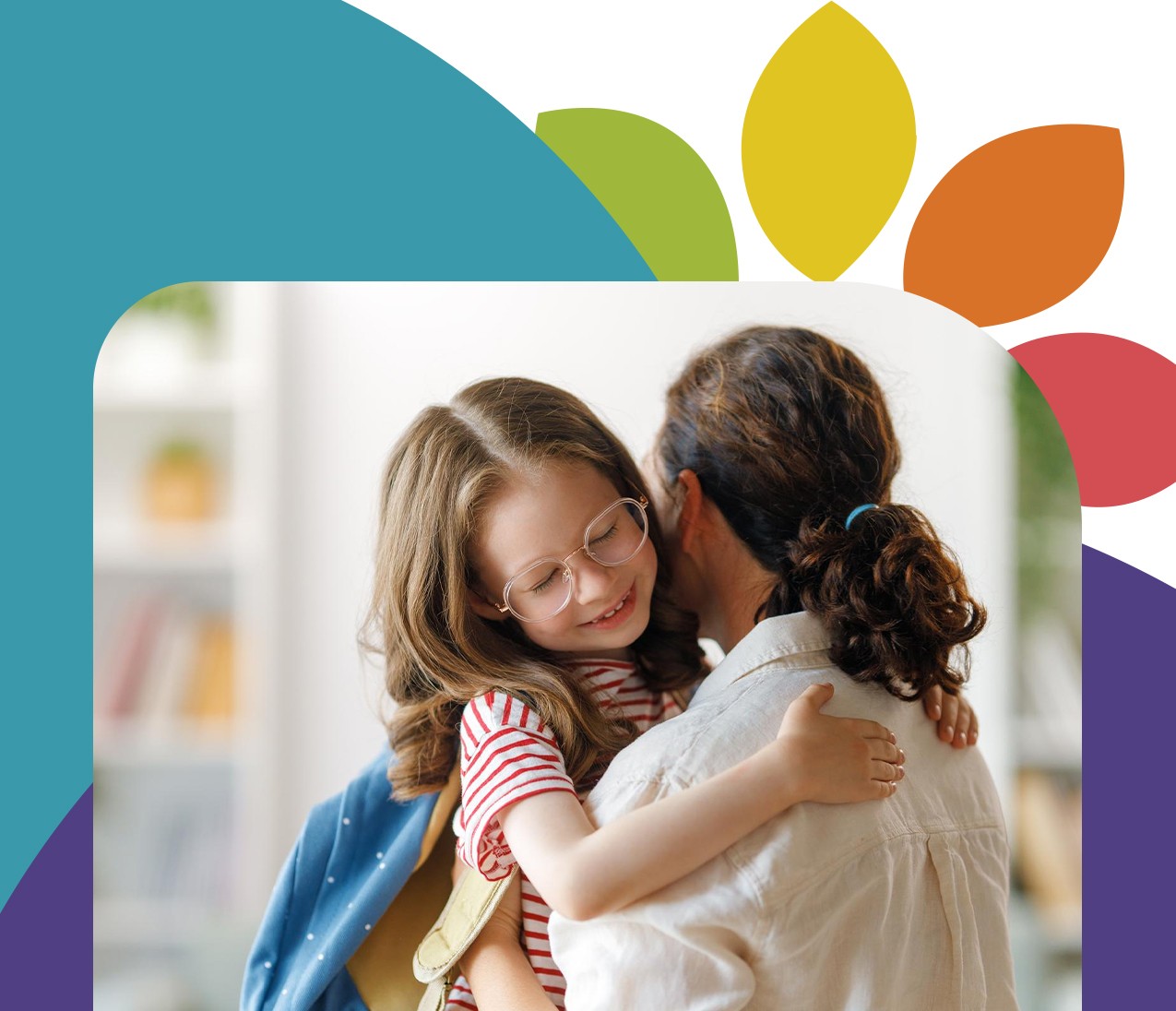
When people ask me, “What does severe autism look like?”, I usually explain that autism exists on a spectrum.
Some children need only a little support, while others — often described as having severe autism — need a lot more help with daily life. In my experience, recognizing the signs of severe autism early can make a huge difference in getting the right support.
Common Signs of Severe Autism
Every child is different, but here are some of the most common symptoms of severe autism I see in my work with families:
Communication Challenges
Children with severe autism often have very limited speech, or they may not speak at all. Instead, they might use gestures, sounds, or behavior to express themselves. Some children l (echolalia) but struggle with conversation.
Social Difficulties
Severe autism in children often means they may avoid eye contact, show little interest in playing with peers, or seem unaware of social cues. In my sessions, I’ve seen kids prefer being alone or engage only in very specific interactions.
Repetitive Behaviors
I often notice repetitive movements like hand-flapping, rocking, or spinning objects. Children may also stick to strict routines and become very upset with even small changes.
Sensory Sensitivities
Many children with severe autism are highly sensitive to lights, sounds, textures, or smells. A crowded store or loud environment can quickly feel overwhelming.
Daily Living Skills
Severe autism can also affect independence. Some kids may need ongoing help with eating, dressing, or using the bathroom.
Getting the Right Support
If your child shows these severe autism symptoms, know that help is available. With the right therapy, kids can learn skills that improve communication, independence, and quality of life.
At Blossom ABA Therapy, we provide personalized ABA therapy in Georgia, Tennessee, Virginia, and North Carolina. Services include home-based ABA therapy, center-based ABA therapy, and school-based ABA therapy.
If you’re worried about signs of severe autism, don’t wait. Contact Blossom ABA Therapy today to start building the right support plan for your child.
FAQs
1. What is considered severe autism?
Severe autism refers to children on the autism spectrum who need significant support with communication, social skills, and daily living.
2. Can children with severe autism learn to talk?
Some can develop speech with therapy, while others may use alternative communication methods like picture boards or devices.
3. How can ABA therapy help severe autism?
ABA therapy teaches skills step by step, helping children improve communication, reduce challenging behaviors, and gain independence.
Sources:
https://www.autismspeaks.org/autism-symptoms
https://www.autismspeaks.org/levels-of-autism
https://www.seattlechildrens.org/clinics/autism-center/the-autism-blog/autism-levels-support/
https://childmind.org/article/understanding-the-levels-of-autism/
https://childmind.org/article/what-is-profound-autism/
When people ask me, “What does severe autism look like?”, I usually explain that autism exists on a spectrum.
Some children need only a little support, while others — often described as having severe autism — need a lot more help with daily life. In my experience, recognizing the signs of severe autism early can make a huge difference in getting the right support.
Common Signs of Severe Autism
Every child is different, but here are some of the most common symptoms of severe autism I see in my work with families:
Communication Challenges
Children with severe autism often have very limited speech, or they may not speak at all. Instead, they might use gestures, sounds, or behavior to express themselves. Some children l (echolalia) but struggle with conversation.
Social Difficulties
Severe autism in children often means they may avoid eye contact, show little interest in playing with peers, or seem unaware of social cues. In my sessions, I’ve seen kids prefer being alone or engage only in very specific interactions.
Repetitive Behaviors
I often notice repetitive movements like hand-flapping, rocking, or spinning objects. Children may also stick to strict routines and become very upset with even small changes.
Sensory Sensitivities
Many children with severe autism are highly sensitive to lights, sounds, textures, or smells. A crowded store or loud environment can quickly feel overwhelming.
Daily Living Skills
Severe autism can also affect independence. Some kids may need ongoing help with eating, dressing, or using the bathroom.
Getting the Right Support
If your child shows these severe autism symptoms, know that help is available. With the right therapy, kids can learn skills that improve communication, independence, and quality of life.
At Blossom ABA Therapy, we provide personalized ABA therapy in Georgia, Tennessee, Virginia, and North Carolina. Services include home-based ABA therapy, center-based ABA therapy, and school-based ABA therapy.
If you’re worried about signs of severe autism, don’t wait. Contact Blossom ABA Therapy today to start building the right support plan for your child.
FAQs
1. What is considered severe autism?
Severe autism refers to children on the autism spectrum who need significant support with communication, social skills, and daily living.
2. Can children with severe autism learn to talk?
Some can develop speech with therapy, while others may use alternative communication methods like picture boards or devices.
3. How can ABA therapy help severe autism?
ABA therapy teaches skills step by step, helping children improve communication, reduce challenging behaviors, and gain independence.
Sources:
https://www.autismspeaks.org/autism-symptoms
https://www.autismspeaks.org/levels-of-autism
https://www.seattlechildrens.org/clinics/autism-center/the-autism-blog/autism-levels-support/
https://childmind.org/article/understanding-the-levels-of-autism/
https://childmind.org/article/what-is-profound-autism/
When people ask me, “What does severe autism look like?”, I usually explain that autism exists on a spectrum.
Some children need only a little support, while others — often described as having severe autism — need a lot more help with daily life. In my experience, recognizing the signs of severe autism early can make a huge difference in getting the right support.
Common Signs of Severe Autism
Every child is different, but here are some of the most common symptoms of severe autism I see in my work with families:
Communication Challenges
Children with severe autism often have very limited speech, or they may not speak at all. Instead, they might use gestures, sounds, or behavior to express themselves. Some children l (echolalia) but struggle with conversation.
Social Difficulties
Severe autism in children often means they may avoid eye contact, show little interest in playing with peers, or seem unaware of social cues. In my sessions, I’ve seen kids prefer being alone or engage only in very specific interactions.
Repetitive Behaviors
I often notice repetitive movements like hand-flapping, rocking, or spinning objects. Children may also stick to strict routines and become very upset with even small changes.
Sensory Sensitivities
Many children with severe autism are highly sensitive to lights, sounds, textures, or smells. A crowded store or loud environment can quickly feel overwhelming.
Daily Living Skills
Severe autism can also affect independence. Some kids may need ongoing help with eating, dressing, or using the bathroom.
Getting the Right Support
If your child shows these severe autism symptoms, know that help is available. With the right therapy, kids can learn skills that improve communication, independence, and quality of life.
At Blossom ABA Therapy, we provide personalized ABA therapy in Georgia, Tennessee, Virginia, and North Carolina. Services include home-based ABA therapy, center-based ABA therapy, and school-based ABA therapy.
If you’re worried about signs of severe autism, don’t wait. Contact Blossom ABA Therapy today to start building the right support plan for your child.
FAQs
1. What is considered severe autism?
Severe autism refers to children on the autism spectrum who need significant support with communication, social skills, and daily living.
2. Can children with severe autism learn to talk?
Some can develop speech with therapy, while others may use alternative communication methods like picture boards or devices.
3. How can ABA therapy help severe autism?
ABA therapy teaches skills step by step, helping children improve communication, reduce challenging behaviors, and gain independence.
Sources:
https://www.autismspeaks.org/autism-symptoms
https://www.autismspeaks.org/levels-of-autism
https://www.seattlechildrens.org/clinics/autism-center/the-autism-blog/autism-levels-support/
https://childmind.org/article/understanding-the-levels-of-autism/
https://childmind.org/article/what-is-profound-autism/
Severe Autism Symptoms & Challenges | Blossom ABA Therapy


¿Buscas apoyo?
¡Estamos aquí para ayudar!
Nuestros profesionales dedicados se especializan en terapia ABA para fomentar el crecimiento y la felicidad de su hijo. Estamos aquí para proporcionar la atención y el cuidado personalizado que su hijo merece. Póngase en contacto para conocer cómo podemos apoyar el viaje de su familia.
Conéctate con nuestros expertos en ABA hoy.
Noticias y Blogs
Noticias y Blogs
Últimas noticias y blogs

¿TE APASIONA AYUDAR A LOS NIÑOS?
Únete a nuestro equipo
Blossom Therapy busca constantemente BCBAs y RBTs calificados para ocupar puestos a tiempo completo y parcial.


